A Doctor with Hard Flaccid – Updates and Advice

A Doctor with Hard Flaccid – Updates and Advice

by Romero MD

Original post: A Doctor with Hard Flaccid – Updates and Advice

Hi everyone I am 26 years old and I recently developed this mythical problem called Hard Flaccid.
I am a medical doctor. I finished medical school a few months ago, and I am currently applying for Obstetrics-Gynecology.

First, my story. I have been practicing PE, intermittently, for the past 4-5 years. Basically, only manual stretches (I am satisfied with my girth), but, like many others, I think my injury was caused by Edging and excessive Kegeling, which I have been practicing for over 10 years, for stamina training and erection quality.

And without knowing the extreme importance of Reverse Kegeling. Every time I have sex, I also do intense kegels, in order to last 60-90 minutes of penetration. I know, I know… maybe it’s a little too much… But my girlfriend and I have always liked long love sessions Almost 2 months ago, while I was having sex with my girlfriend, I started to lose my erection suddenly, after performing an intense Kegel, during a sex position that placed my penis at a downward angle (so, I did a “very weighted Kegel”).

I thought I might have torn a muscle or ligament, and we stopped at that moment. The next day, I woke up with a hyper contracted and cold penis. As it didn’t seem to be a penile fracture, nor did I have any skin lesions, hemorrhages or bruises, I decided to simply rest. Because I thought that any fellow urologist would tell me to simply do the same – to rest.

After two weeks of online research, I discovered my diagnosis – Hard Flaccid/CPPS. However, I only have/had symptoms related to the anterior/superficial pelvic floor (Ischiocavernosus and Bulbocavernosus Muscles). I don’t have pelvic pain, difficulty passing stools or other posterior/deep pelvic floor symptoms. But I have/had:

– Sudden erectile dysfunction (9-10/10 to 4/10)
– Sudden premature ejaculation (90min to 3-5min)
– Hyper contracted penis (Hard Flaccid). Which improves sitting, lying down, with Reverse Kegels and with heat; and worsens standing, with physical activity, with Kegels and with Involuntary Kegels
– Cold and soft glans (sometimes scrotum and penis too)
– Mild urinary retention
– Loss of morning and spontaneous erections
– Slight bend of the penis to the left, from the base of the shaft. (IC injury?)
– Slight downward curvature of the penis, from the middle of the penis (BC injury?)
– And a slight twist of the entire shaft, clockwise (IC injury?)

The next day, I visited the Urology Department at my hospital. I was observed by 4 urologists. As expected, none of them had ever heard of Hard Flaccid… After explaining the whole story, situation and symptoms, I was medicated with:

– Ibuprofen (anti-inflammatory), for 7 days
– Cyclobenzaprine (muscle relaxant), for 30 days
– Tamsulosin (alpha blocker, to decrease all sympathetic nervous activity, stressful or non-stressful, to the pelvic floor), for 30 days
– Total sexual abstinence (masturbation and sex), for 30 days, which I was already doing for 2 weeks.
After these 30 days, I will have an appointment with one of the best Andrologist in my country, which will be on August 27

So, after 3 weeks, I have been doing a lot of research (books, websites, forums) … And, according to my symptoms, I am almost sure that I had/have a strain of the Left IC Muscle (and maybe the Left and/or Right BC), which is, consequently, contracting the anterior/superficial pelvic floor and the penile smooth muscle (giving rise to the Hard Flaccid and the shortening of the penis, while it is erect) and, consequently, compressing the pudendal nerve, dorsal nerve and pudendal arteries, giving rise to all the other symptoms.

And that’s why REVERSE KEGELS are so important for the progressive relief of all the symptoms.

Treatments. What I have done to recover:
– Ibuprofen, Cyclobenzaprine, Tamsulosin
– Extraordinary healthy eating (Proteins, vegetables and fruits. Very important in the recovery of any injury) and supplementation (Ginkgo Biloba, Ginseng, L-Arginine, Fish Oils, Vitamins E, D, C, B complex and Zinc)
No masturbation, no sex, NO PORN. And no pictures, no Instagram girls, nothing. Just hugs and kisses from the girlfriend. (Alright… We make love, but only with my hands and mouth. I don’t let her touch my penis… I was in this hardmode for 4 weeks. In the last week, I have been trying very light Edging (5 minutes of very light massage, very soft touches, always with REVERSE KEGEL), every other day, to give a little physiotherapeutic stimulation to the tissues. But without ejaculation (to avoid the Involuntary Kegels associated with orgasm, to keep my libido high and to increase the likelihood of spontaneous erections)

– Lots of REVERSE KEGELS/Front Reverse Kegels, throughout the day.
Very light and Soft Squeezes (“massages”) of the flaccid penis, while Reverse Kegeling, to help relax tissues, throughout the day.
Belly Breath Combos, Hindi Squats and Happy Baby, along with Reverse Kegeling.
– Light external massages, on the anterior/superficial pelvic floor
– 1 hour of STRETCHING (flexibility training) every other day – Pelvic Floor, Hamstrings, Psoas, Piriformis, Quadriceps, Adductors and Abs. (All along with Reverse Kegeling and Belly Breaths). Again, hardmode – Static, Dynamic and Weighted Stretches. I’m literally training to do the front and side splits.

HEAT. Heat relaxes muscles and dilates arteries, increasing blood flow and, consequently, relieving symptoms. I wear shorts, under my pants, during the day. When I get home, I wrap my lower body in a blanket and I use a hot rice sock sometimes. And I place a big and soft pillow under my buttocks, when I am sitting in my chair.

– Sleep. A lot. (Very important in the recovery of any injury)
– I am a very active person (running and weighted calisthenics), but I stopped this type of physical activity since the day of the injury (to avoid Involuntary Kegels). However, I am doing some bodyweight Squats and Hip Thrusts (along with Reverse Kegels) before stretching. I read somewhere that gluteal and posterior chain strength is also important.

ABSOLUTELY NO STRESS (!!!). I have always been a very calm and peaceful person, in all situations of my life. But, after reading that Hard Flaccid was highly influenced by stress and anxiety, I am now completely in a “ZEN state with the Universe” Buddhist monk style.

Not only to avoid any nerve discharge from the Sympathetic Nervous System to the pelvic floor (and, consequently, Involuntary Kegeling, which prolongs the contraction of the pelvic floor muscles, which worsens the compression of nerves and arteries), but also to prevent the rise of Cortisol and Adrenaline and, consequently, the drop in testosterone levels. And (as many of you claim) this is absolutely essential.

I was a little stressed during the first week (before I knew the real diagnosis) and my penis was terrible… Hard Flaccid like a rock, with a loss of 1.5inches in BPFL. After knowing that I really have to relax completely, I immediately felt the first improvements in 3-4 days.

However, on the other hand, I am very convinced that I did a muscle strain, at least, of the Left IC. Those left curvature and left twist… Hmmm… On August 27, I will ask for an MRI. If the radiologist tells me it is normal, I will try to take the images to more doctors.

So… after almost 2 months, I have improved a lot – Now, I only have hard flaccid if I’m standing. A few times, I don’t even have it standing. It happens when I get up after doing Reverse Kegels for a few minutes (or sitting for a while in a more comfortable position) and continue to do Reverse Kegeling while I’m standing. This was impossible 1 month ago.
– The morning erections are progressively coming back
– 3 days ago, I’ve managed to have a 8-9/10 erection during the mini Edging sessions.
– However, I still have a slight bend to the left and the clockwise twist, during erection (I no longer have the downward curve), and I lost about 0.5 inches in BPEL…

1- Now, I would like to ask Pegym’s brightest minds and everyone in this group who is still recovering from Hard Flaccid, what are the most recent updates on this disease/symptom? Regarding physical treatment, exercises, medications and supplements. What am I missing? Where can I improve to speed up recovery?

2- I have been thinking about starting to do a small daily session of Kegels/Front Kegels/IC kegels… In order to give a physiotherapeutic stimulus, just like any other muscle injury. But I’m afraid it could get worse… What’s your opinion? (See post 26)

3- What do you think about adding very light and soft manual penile stretches? (along with Reverse Kegeling) I feel a lot of relief with the soft squeezes. But, in these, the applied force is perpendicular to the penis. I’m not sure if extra parallel force will be beneficial for the tissues. (See post 26)

4- Okay, the last question might be a little funny, but I think it might be relevant. I think I have an injury mostly on the left side. So, is it more advisable to rest the penis in the left groin or in the right groin? It tends to get softer on the right, but naturally falls to the left. (See post 26)

Thanks a lot for reading my story Best regards to the entire PEGym community
And thank you so much, for saving me during the past 2 months UPDATES: post 21, post 23 (stress management), post 26, post 29, post 63, post 66 (HF & Stretching)

Premature Ejaculation, What Is It?

Premature Ejaculation

What Is It?

Published: February, 2020

This article is a repost which originally appeared on Harvard Health

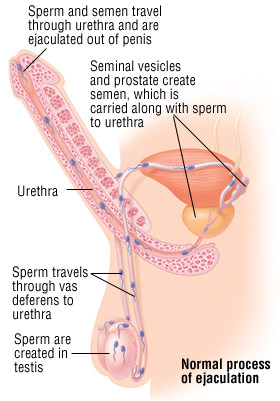
Premature ejaculation occurs when a man reaches orgasm and ejaculates too quickly and without control. In other words, ejaculation occurs before a man wants it to happen. It may occur before or after beginning foreplay or intercourse. Some men experience a lot of personal distress because of this condition.

As many as one in five men experience difficulty with uncontrolled or early ejaculation at some point in life. When premature ejaculation happens so frequently that it interferes with the sexual pleasure of a man or his partner, it becomes a medical problem.

Several factors may contribute to premature ejaculation. Psychological problems such as stress, depression and other factors that affect mental and emotional health can aggravate this condition. However, there is growing evidence that biological factors can make some men more prone to experience premature ejaculation.

Rarely, premature ejaculation can be caused by a specific physical problem, such as inflammation of the prostate gland or a spinal cord problem.

Symptoms

The key symptoms of premature ejaculation include:

  • Ejaculation that routinely occurs with little sexual stimulation and with little control
  • Decreased sexual pleasure because of poor control over ejaculation
  • Feelings of guilt, embarrassment or frustration

Diagnosis

Premature ejaculation is diagnosed based on typical symptoms. To understand your problem, your doctor will need to discuss your sexual history with you. Be frank and open. The more your doctor knows, the better he or she can help you.

If your sexual history fails to reveal significant mental or emotional factors that may contribute to premature ejaculation, your doctor may want to examine you. Your doctor may examine your prostate or do neurological tests (tests of your nervous system) to determine if there is a physical problem that could be causing premature ejaculation.

Expected Duration

Sometimes, premature ejaculation goes away on its own over weeks or months. Working to relieve stress or other psychological issues may help the situation to improve.

Other men have lasting difficulties with premature ejaculation, and require professional help. Some men respond to treatment promptly, while others struggle with this problem over a prolonged period. Effective treatment is available.

Prevention

There is no known way to prevent premature ejaculation. However, you should consider the following advice:

  • Maintain a healthy attitude toward sex. If you experience feelings of anxiety, guilt or frustration about your sex life, consider seeking psychotherapy or sexual therapy.
  • Keep in mind that anyone can experience sexual problems. If you experience premature ejaculation, try not to blame yourself or feel inadequate. Try speaking openly with your partner to avoid miscommunication.

Treatment

Behavioral therapy is one possible approach for treating premature ejaculation. Most commonly, the “squeeze technique” is used. If a man senses that he is about to experience premature orgasm, he interrupts sexual relations. Then the man or his partner squeezes the shaft of his penis between a thumb and two fingers. The man or his partner applies light pressure just below the head of the penis for about 20 seconds, lets go, and then sexual relations can be resumed. The technique can be repeated as often as necessary. When this technique is successful, it enables the man to learn to delay ejaculation with the squeeze, and eventually, to gain control over ejaculation without the squeeze. Behavioral therapy helps 60% to 90% of men with premature ejaculation. However, it requires the cooperation of both partners. Also, premature ejaculation often returns, and additional behavioral therapy may be needed.

Another possible treatment is prescription medication that helps to delay ejaculation. Delayed orgasm is a common side effect of certain drugs, particularly those used to treat depression. This is true even for men who are not depressed. When this type of medication is given to men who experience premature ejaculation, it can help to postpone orgasm for up to several minutes. Drugs used for this type of treatment include selective serotonin reuptake inhibitors (SSRIs), such as fluoxetine (Prozac), paroxetine (Paxil) or sertraline (Zoloft); and tricyclic antidepressants, such as clomipramine (Anafranil).

Some men with premature ejaculation may benefit from drugs called phosphodiesterase inhibitors, such as sildenafil (Viagra), vardenafil (Levitra), and tadalafil (Cialis). A phosphodiesterase inhibitor can be used alone or in combination with an SSRI. One drug should be started at a time, preferably at a low dose.

Some men with premature ejaculation also benefit from reducing the stimulation they experience during sex. A number of creams are available that can partially anesthetize (numb) the penis and reduce the stimulation that leads to orgasm. Another option is to use one or more condoms. However, these techniques may interfere with the pleasure experienced during sex.

When To Call a Professional

Speak with your doctor if you consistently ejaculate before you want to. Remember, one instance of premature ejaculation does not mean that you have a condition that requires treatment. Your doctor may refer you to a sex therapist if premature ejaculation is causing major problems in your sex life or personal relationships or if you would like to consider behavioral therapy.

Prognosis

Many men experience a brief period of premature ejaculation, then improve on their own. Even for men who require medical treatment, the outlook is usually good.

Additional Info

American Society for Reproductive Medicine
https://www.reproductivefacts.org/

Sexual Dysfunction: What All Men Should Know

Sexual Dysfunction: What All Men Should Know

This article is a repost which originally appeared on Women Fitness Magazine

Sexual Dysfunction: What All Men Should Know : All around the world, millions of men secretly suffer from health problems that prevent them from experiencing a fulfilling sexual life with their partner. Whether it’s the inability to get erect, ejaculate, or a loss of sexual desire or stamina, these issues affect men of all ages and backgrounds but tend to manifest with age.

More often than not, sexual potency problems arise from underlying physical or psychological causes that must be treated to allow gentlemen to enjoy healthy and satisfying sex life. In that spirit, here’s a useful reference guide covering sexual dysfunction problems in men, along with what you can do if you ever suffer from one of these conditions.

What is Sexual Dysfunction?

Essentially, male sexual dysfunction encompasses all physical or psychological conditions that avert gentlemen from experiencing normal sexual activity. These typically involve bedroom issues such as having a difficult time maintaining an erection, ejaculating too early or too late, or simply not feeling the desire to engage in intercourse. They diverge in nature and gravity and have a different diagnosis, causes, and treatments. As such, understanding these problems will enable the patient to treat it effectively and durably.

Types of Male Sexual Disorders

When it comes to sexual potency issues in men, it’s important to analyze each condition individually to fully grasp its extent and select the most appropriate solution. Sexual dysfunction comprises three main types, including:

  1. Erectile Dysfunction

    Perhaps the most widespread sexual potency issue, erectile dysfunction (ED) is characterized by the inability to grow an erection or maintain one throughout intercourse. Needless to say that impotence can have a great negative impact on performance and self-esteem, but ultimately, it’s perfectly treatable. For your reference, it’s been estimated that nearly 1 in 2 American men over the age of 40 suffer from ED to varying extents.

  2. Abnormal Ejaculation

    Another common concern pertains to ejaculation or the act of ‘coming’. While there’s no standard duration that dictates how long a man should last in bed, ejaculating too early, too late, or not at all can pose problems in a couple’s sexual dynamic. On the one hand, premature ejaculation makes a man reach orgasm too early, typically in less than 5 or 10 minutes. Naturally, this can prevent the partner from having an orgasm themselves. On the other hand, delayed ejaculation (also referred to as male orgasmic disorder) involves experiencing late ejaculation, over 30 minutes in the intercourse, or non-ejaculation.

  3. Diminished Libido

    Reduced sexual appetite can also block men from having a fulfilling sex life. It’s characterized by a decreased interest or desire in partaking in intercourse, despite having the physical ability to (usually no erectile or ejaculation problem here). Diminished libido is typically a sign of a deeper psychological ailment, which brings concrete repercussions and prevents a man from enjoying a healthy and dynamic life. There’s a lot more to find out here on how to boost your sexual stamina and drive for your pleasure and that of your partner’s. Invariably, consulting specialized online guides can be an effective first step towards alleviating this debilitating condition.

Common Causes

In modern days, thanks to the advancements in the scientific and medical fields, we possess a much clearer understanding of what may cause gentlemen to experience sexual potency issues. These symptoms often come together and result in sexual dysfunction. On a physical level, low testosterone levels, high blood pressure, prescription drugs, smoking, alcoholism, or drug abuse can take an immense toll on a man’s sex life, along with existing conditions such as diabetes, nerve damage, or strokes. On a psychological level, stress, depression, performance anxiety, relationship problems, or past sexual trauma has been proven to cause performance issues.

Treatments

Fortunately, all these sex-related problems have proven and tested remedies. The Doctor or healthcare professional will typically start by asking questions relating to your sexual activity, frequency, and habits, which you should answer in all honesty and transparency to establish the right diagnosis. Next, they will proceed with a battery of tests (blood pressure, blood sugar levels, testicular examination, prostate check) to determine whether everything is in working order. They will then prescribe the appropriate solution, whether as medication or therapy, to be followed thoroughly.

All things considered, sexual dysfunction in men can take many forms and arise from a variety of physical or psychological predispositions. Regardless of what you’re dealing with, there’s no point in feeling shame or anguish; instead, focus on finding the cause of your ailment and seek the professional medical help you need to overcome it and start enjoying a fulfilling sex life once again. Remember that, the more proactive you are, the higher your chances of finding a permanent solution to your problem.

The Dangers and Risks of Penis Enlargement | Non Surgical

The Dangers and Risks of Penis Enlargement | Non Surgical

We’ve partnered with TotalMan and will be presenting regular video features from this comprehensive site!

In this video, TotalMan discusses the dangers and risks of non surgical penis enlargement.

If you are someone that would like a bigger penis however you also want all the dangers and risks laid out so you know what to look out for, then this video is for you.

Unlike every other company or business promoting their products I’m going to tell you all about what can go wrong with non surgical penis enlargement.

So you’re someone that would love having a bigger penis. Wouldn’t we all!

So, you go online you look up penis enlargement from products to programs and pills and potions.

There is an array of so called “solutions”.

Now it’s fair enough that most companies are trying to sell you their stuff so why would they say anything about what could go wrong.

If they did that, it could mean you might not buy their stuff.

They don’t want that. So technically, they’re not lying, they’re just not telling you the whole truth.

Me on the other hand, hahaha, to hell with that. I have a conscience and I would like to sleep better at night knowing I told you everything I could.

Enjoy.
Stay safe.
Gain abundantly.
And…#DBYD … Don’t Break Your D!


Visit TOTALMAN SHOP for ALL of YOUR Male Enhancement needs!

Emotional Control and Anxiety: Ask The Experts

Emotional Control and Anxiety: Ask The Experts

Big Al, of MaleEnhancementCoach.com, answers questions about Stamina Training & Sexual Performance.

If you have questions you’d like answered in an Ask the Experts article, please PM Big Al.

Q. I know you’re not a doctor and you mention on PEGym…

…how we need to consult doctors or medical professionals if we have problems dealing with anxiety, but what do we do if this doesn’t work? I can’t get the thoughts of feeling inferior out of my head, and talking with therapists haven’t helped much. Drugs just make any erections I do get a lot harder to maintain! Is there anything you can do to help?

Big Al: I’m truly sorry to hear you’re going through this! While I can’t advise on any medical course of action, one thing which needs to be known is that the work towards emotional mastery has to come from you. No amount of drugs, therapy, etc, will help if you don’t make a concerted effort to get your mind under control This means doing your best to get to the root of whatever is ailing you- since acute and chronic feelings of sexual inadequacy are often rooted in deeper issues.

Developing the mental and emotional strength to overcome the lower emotions is an arduous tasks which will take some time but professional assistance- as well as regular meditation, emotional visualizations, vigorous exercise, a sound diet and a network of people who care will be very helpful to getting you to this place. The latter is especially important, and if you’re in a relationship which fosters negative emotions then it would behoove you to take a closer look at it and see what can be done to either fix the relationship or move on- so as to spare your mental and emotional health.

There are many forum stories of men who’ve had serious issues with sexual self-confidence who’ve overcome it.

Q. With all of the strange events going on I find myself stressed out all of the time…

My concentration for training has suffered. What do I do about it?

Big Al: We are living in strange times! That being said, one can find opportunities for new things- especially if you’re self-isolating. It would be in your best interests to practice some sort of daily meditation to learn to still you mind. These are similar to the recommended Emotional Visualization movements, except the goal for stilling the mind is complete clarity. When your mind begins to stray during your sessions, focus on your breathing.

Attempt to practice this every day, and if you feel any acute attacks of anxiety, you can perform it them to counter the attack.