How to reverse your bio age — like Tom Brady and Jeff Bezos — in 8 weeks

By Lucy Dunn

This article is a repost which originally appeared on NEW YORK POST

Edited for content

A slew of celebrities are said to practice bio-hacking. Now, a new book claims it can help reverse your “bio age.”

Jeff Bezos’ makeover from scrawny to strapping was highlighted again over Christmas, as the Amazon founder flaunted his shirtless muscles while in St. Barts with girlfriend Lauren Sanchez. The world’s second-richest man has long claimed that healthy eating — including, he has said, ditching his habit of eating an entire can of Pillsbury biscuits for breakfast — and sleep habits led to his transformation. But experts suggest Bezos is, like many other A-listers and tech titans, probably a fan of biohacking.

“Access to biohacking tools such as stem cells and hormones is allowing men to look, perform and think better,” cosmetic dermatologist Jessie Cheung told Town & Country. “I’m pretty sure he’s gotten a taste of some good stuff.”

Bezos has also invested millions of dollars in Unity Biotechnology, a startup that reportedly aims to make the “debilitating consequences of aging as uncommon as polio.”

And who wouldn’t want to look a little younger, have fewer wrinkles and feel more energetic — and a little less creaky? The book “Younger You: Reverse Your Bio Age and Live Longer, Better” (Hachette Go) by Dr. Kara Fitzgerald, out Jan. 18, aims to show what you can do to look and feel younger longer, in as little as eight weeks.

It’s not quite “Back To The Future.” But Fitzgerald, a doctor in naturopathic medicine from National College of Natural Medicine in Portland, Ore., says it is possible to reverse your biological age — or “bio age” — a term scientists use for determining how old someone’s tissues, systems and genetic material are.
“Younger You” by Dr. Kara FitzgeraldYounger You shares DIY biohacking tips.

As Bezos learned, poor diet, lifestyle and even factors such as stress can damage your body. But, Fitzgerald claims, getting those factors under control can help wind back your bio age for better cognition, higher energy and a more youthful appearance — and also lower your risk of every major disease.

The doctor recognizes that not everyone has the money, time or desire to pursue the form of biohacking that tech gurus like former Twitter CEO Jack Dorsey are said to enjoy: “Somewhere in Silicon Valley right now (so many biohackers seem to be male, tech-friendly, and wealthy), someone is injecting themself with human growth hormone, receiving an IV of a young person’s blood plasma, taking an immunosuppressive drug, or even downing a cocktail of gene-editing enzymes and proteins in an effort to achieve maximum performance and longevity,” Fitzgerald writes. “While … I am paying attention to (and excited about) the latest anti-aging science, for most of us, [it’s] not available, affordable, doable, or even desirable.”

Instead, her plan focuses on DIY hacks.

The eating plan is “plant leaning” and similar to the popular keto diet in that the goal is to move your body into “ketosis” — the state where it makes ketones for fuel from fat instead of burning glucose.

“Younger You” concentrates on lowering inflammation (as Tom Brady and Gisele Bündchen do), which has been linked to many major diseases including cancer, heart disease, diabetes, arthritis, depression and Alzheimer’s. It avoids excess sugar and simple carbs found in processed, refined foods like sugar, pasta and white bread — but also grains, beans and legumes, and dairy, which can raise blood sugar and cause inflammation.

Fitzgerald’s plan is based on research that was the first of its kind to show biological age reversal in humans, by an average of three years. Patients in her study showed an improvement in digestion, a drop in blood sugar and insulin production, and higher “good” cholesterol and lower “bad” cholesterol numbers. Lower levels of the antibodies that are hallmarks of autoimmune conditions were also reported.

The program is centered around genetics. Consider DNA as your body’s hardware: It never changes. The software — which determines which genes are turned on or off — is a process called “DNA methylation.”

“You want your DNA methylation to be working in such a way that your good genes [those that suppress tumor growth, for example] are on and your bad genes [for, say, inflammation] are off,” says Fitzgerald. The lifestyle choices you make every day — what you eat, when you go to bed, how much you exercise — can all negatively or positively influence it.

To discover your current bio age, go to biological-age.com, one of the many online links that deduce how “old” your body is based on factors such as education, relationships, and food, exercise and sleep habits.

Six tips for reducing your bio age

  1. Readjust your eating ratios

The ideal is 45–50 percent of daily calories from a blend of healthy monounsaturated, saturated, omega-3, and omega-6 fats; 15–20 percent of daily calories from clean protein: organic and pasture-raised meat, as well as eggs, nuts and seeds; and 30–35 percent of daily calories from unexpected carbs: green, cruciferous (broccoli, cauliflower) and colorful vegetables and low-sugar fruits.

  1. Get moving

A good workout session promotes cellular repair, burns fat and builds heart muscle. Fitzgerald recommends a minimum five sessions per week of at least thirty minutes at a moderate exertion level — and notes that even cleaning the house can help with anti-aging DNA changes.

  1. Manage your stress

Stress can increase inflammation, raise blood sugar and reduce immunity, so two daily meditation sessions of 10 to 20 minutes each are recommended. Try downloading a meditation app such as Headspace or Calm.

  1. Sleep it off

Getting enough sleep is a fundamental component of health overall — and healthy DNA methylation in particular. Try to get at least seven hours a night.

  1. Avoid toxins

Eat organic wherever possible. When it’s not, peel or soak vegetables in white vinegar to reduce toxin exposure. Avoid using plastic food and drink containers, as well as lotions and sunscreens that contain chemicals like phthalates, parabens, formaldehydes, and methylene glycol.

  1. Hug it out

Known as the love hormone, oxytocin is released when you enjoy physical contact with someone else. It also has a number of benefits — including helping cope with stress and recover from trauma. Oxytocin has even been found to lower blood pressure and can help you stop eating when you’re full.

What to Eat — and What Not to Eat

Good vegetables

Antioxidant-rich colorful vegetables such as artichokes, bell peppers, eggplant, green peas, radishes, summer squash, tomatoes and zucchini

Cruciferous vegetables such as arugula, broccoli, Brussels sprouts, cabbage, cauliflower, kale, turnips and watercress

Dark leafy greens such as collard greens, escarole, lettuce (endive, green, mesclun, radicchio, romaine — but not iceberg), spinach and Swiss chard

Bad vegetables

Corn, processed vegetable snacks, white potatoes

Good fats

Nuts and seeds including almonds, Brazil nuts, cashews, chestnuts, chia seeds, flax seeds, hazelnuts, hemp seeds, macadamia nuts, pecans, pine nuts, poppy seeds, sesame seeds (and tahini) and walnuts

Oils including almond oil, avocado oil, coconut oil, flaxseed oil, MCT oil, olive oil, pumpkin seed oil, red palm oil, safflower oil, sesame oil, sunflower oil and walnut oil

Bad fats

Peanuts

Oils such as cottonseed oil, Crisco, hydrogenated fats, margarine, shortening, soybean oil, trans fats, vegetable oil

Good proteins

Beef (grass-fed), bison, buffalo, chicken (organic), duck, eggs, fish (wildcaught or responsibly farmed and with low mercury), lamb, pork, rabbit, shellfish and turkey

Bad proteins

Any meat from animals raised with antibiotics or hormones, fried meats and fish, high-mercury fish, and processed meats including sausage, hot dogs, cold cuts and canned meats

Also avoid dairy — including milk, cheese, yogurt, kefir and butter; and all soy, including soy sauce, soybean oil, soy milk, soy yogurt and textured vegetable protein

Good fruits

Avocado, blood oranges, blueberries, grapefruit, green apples, lemon, lime, pomegranate seeds, raspberries, strawberries

Bad fruit

Bananas, mangos, oranges, pineapples, red and yellow apples, and stone fruits such as peaches and apricots

Good condiments

Avocado-oil mayonnaise, Baker’s yeast, brewer’s yeast, mustard, nutritional yeast, salsa (no sugar added), tamari (low sodium), vinegars

Bad condiments

Prepared sauces with sugar and additives, including BBQ sauce, honey mustard, ketchup and teriyaki sauce, as well as store-bought salad dressing

Good sweeteners

Minimal amounts of natural no-calorie sweeteners that don’t impact blood sugar, including erythritol, monkfruit and stevia

Bad sweeteners

Artificial sweeteners, coconut sugar, evaporated cane juice, high-fructose corn syrup, honey, maple syrup, molasses and refined sugar

Good drinks

Coconut water, coffee, green tea, herbal tea, oolong tea, seltzer, water (filtered, mineral, or spring)

Bad drinks

Alcohol, fruit juice and soft drinks — including diet soda.


Try this recipe for Golden Turmeric Milk (1 serving)

This tasty beverage gets its color from turmeric — the “clean-up crew” for life’s inevitable biochemical messes. Tip: You can triple or quadruple the amounts of spices and store the blend in a glass jar for future cups — just add a rounded 1 1/2 teaspoons to your nondairy milk and sweetener of choice.

1 1/2 cups coconut or almond milk, unsweetened

1 teaspoon turmeric
 1/4 teaspoon ginger
 1/4 teaspoon cinnamon 
¹⁄8 teaspoon black pepper
 A few drops of liquid stevia, to taste
  1. 1. Combine all ingredients in a saucepan and bring to a simmer.

2. Turn off the heat and let sit for 5 minutes for the spices to mellow and blend together. Enjoy while still warm.

8 Ways to Boost Your Natural Testosterone

By David Thompson Jan 06, 2022 12:20 PM EST

This article is a repost which originally appeared on NATURE WORLD NEWS

Edited for content

A normal testosterone level for a man ranges from 264 and 964 nanograms per deciliter. Low testosterone can have a number of adverse health effects, including low libido, fatigue, hair loss and weight gain. There are medications that can increase your testosterone. However, many of these medications come with risks.

That is why it is best for you to try to boost your testosterone naturally. You can implement the following lifestyle changes to boost your testosterone.

Get Plenty of Sleep

A lack of sleep can cause a hormone imbalance. Testosterone is one of the hormones that can get out of whack if you do not get enough sleep. There have been studies done to confirm that your testosterone levels drop when you do not get enough sleep.

One study was done by the University of Chicago. It involved 10 men who were 24-years-old. They slept for eight hours for one week while at home. They then slept in the lab for the next 11 days. After that, they only slept for five hours for eight days.

The researchers found that the men’s testosterone levels dropped by 15 percent when they only got five hours of sleep. Keep in mind that a man’s testosterone only drops by one or two percent per year due to the natural aging process.

That is why it is important for you to prioritize getting the right amount of sleep. You need seven to eight hours per day. If you do not get enough sleep, then you should talk to your doctor.

Follow a Healthy Diet

A nutritious diet is important for maintaining a healthy testosterone level. You should avoid dieting because this can cause an imbalance in your hormone levels. You should eat plenty of whole foods so that you can get the right balance of proteins, carbohydrates and fats.

In reproduction and bodily functions, free testosterone is just as effective as bound testosterone. To determine if they are within the recommended quota, it is important to test their levels. They are essential for the body to connect with its testosterone receptors. A fractional reduction in this hormone could cause reproductive problems and impairment of primary bodily functions, such as muscle development.

Lose Weight

Studies have shown that obese men are more likely to suffer from low T. In fact, a study published in “Clinical Endocrinology” that showed that obese males who are between the ages of 14 and 20 have 50 percent less testosterone.

Stay Active

Being active can naturally boost your testosterone levels. You should try to exercise every day. However, it is important for you to avoid overdoing a good thing. If you are too active, then it can actually decrease your testosterone levels. That is why it is common for athletes to suffer from low testosterone.

Stress

Stress is something that we all have. It is impossible to completely avoid stress because it comes with living. When you are stressed, your cortisol levels are higher. This can impair your metabolism and immune system response. If you have too much cortisol, then your testosterone levels will be lower.

Vitamins And Supplements

Vitamin D is one of the supplements that can help you increase your testosterone levels. There have been studies that have linked low testosterone levels to vitamin D deficiency. In addition to taking a supplement, you can increase your vitamin D levels by spending at least 15 minutes in the sun. You can also eat fortified cereal, milk and salmon.

DHEA is a hormone that your body needs in order to produce testosterone. Your DHEA levels tend to decrease as you get older. DHEA supplements may help your body produce more testosterone.

If you are deficient in magnesium, then taking a supplement can help your levels return to normal. A zinc deficiency can also cause your testosterone levels to drop. Additionally, there has been evidence to suggest that creatine can increase testosterone. It is also found in tuna, beef and salmon.

Review the Medications That You Take

It is important for you to look at the side effects of the medication. Low testosterone may be a side effect of the medication that you are taking. If you think that your medication is causing you to experience low testosterone, then it is a good idea for you to talk to your doctor. Your doctor can either adjust your medication or switch you to one that does not affect your testosterone levels. Do not stop taking your medication or adjust your dosage without talking to your doctor’s first.

Do Not Abuse Alcohol or Drugs

If you abuse drugs and alcohol, then your testosterone levels can drop. They can also cause serious damage to the cells in your body. That is why you should avoid drugs completely. If you drink alcohol, then you should avoid overdoing it. Do not have more than two alcoholic beverages per day.

How Common Is Erectile Dysfunction?

How Common Is Erectile Dysfunction?

By Katie Wilkinson, MPH, MCHES

Published on September 28, 2021
Medically reviewed by Matthew Wosnitzer, MD

This article is a repost which originally appeared on verywell health

Edited for content.

Erectile dysfunction (ED), or impotence, is the inability to achieve and maintain an erection for sexual activity. While the occasional failure to get an erection is not uncommon, if it happens consistently, or more than 50% of the time, it may be ED. It can be a temporary experience, or develop into a long-term condition that requires treatment.

Prevalence

On a global scale, ED affects 3% to 76.5% of all men. The wide range is due to the different measures used in studies to evaluate ED.

In the United States, it’s estimated that 30 million men experience ED.2 Worldwide, there are about 150 million men living with ED, and by the year 2025, it’s predicted that over 300 million men will have ED.

Common Causes

ED can be caused by a number of factors relating to physical and mental health, including:

  • Physical and health conditions that involve different systems in the body, such as the vascular, neurological, or endocrine systems; can include issues with nerve signals or blood flow to the penis
  • Side effects from medication, which can include antidepressants, medication to manage blood pressure, tranquilizers, sedatives, ulcer medication, and prostate cancer therapy
  • Psychological or emotional causes such as depression, anxiety, fear associated with sexual performance, general stress, or low self-esteem
  • Lifestyle behaviors and health-related factors that are associated with ED include smoking, being overweight, lack of exercise, and substance (alcohol or drug) use

Risk Factors

Certain risk factors have been found to increase the likelihood of experiencing ED. They can include:

    • Age: The chances of developing ED increases with age, particularly in men over 60 years old.
    • Tobacco use: Research has found that smokers are 1.5 times more likely to experience ED than nonsmokers.
    • High blood pressure (hypertension): About 30% to 50% of people living with hypertension also experience ED.
    • Type 2 diabetes: Between 35% and 90% of diabetic men will develop ED.
    • High cholesterol: Statins used to treat high cholesterol showed improved erectile function.
    • Hypogonadism: This is a condition where the body doesn’t produce enough sex hormones, including testosterone. Since testosterone is necessary for the ability to maintain an erection, people with hypogonadism who are treated with testosterone replacement therapy can see improved erectile function.
    • Obesity: Several studies have indicated that men with a body mass index (BMI) greater than 25 begin to experience a 1.5 to three times greater risk of ED than those with lower BMIs.
    • Depression: Men living with depression are two times more likely to experience ED. Treating depression with selective serotonin uptake inhibitors (SSRIs) can also increase risk of ED.

Stress and anxiety, particularly performance-related anxiety, can also cause issues with sexual activity and erectile function.

Associated Conditions

In addition to diabetes, hypertension, and hypogonadism, the National Institute for Diabetes and Digestive and Kidney Diseases also lists the following conditions and diseases as associated with ED:

  • Heart and blood vessel conditions, including atherosclerosis
  • Injuries of the spinal cord, penis, prostate gland, bladder, or pelvic area
  • Prostate or bladder surgery
  • Chronic kidney disease
  • Multiple sclerosis
  • Peyronie’s disease, a condition where scar tissue develops and creates a bend in the penis

Treatment

Treatment for ED can take many forms and depends on the root cause of the individual’s ED. Because of ED’s impact on sexual relationships, it’s worth discussing treatment options with your sexual partner.

Lifestyle

Avoiding or stopping the use of tobacco, alcohol, and other drugs may help with ED.

Increasing physical activity and maintaining a healthy weight can also be a way to improve erectile function.

Mental Health Counseling

Because emotional and psychological concerns can play a role in ED, speaking with a mental health professional can be beneficial. They can help identify ways to manage anxiety and work through stress that may be impacting sexual performance.

Medication

Oral (PDE5 inhibitors), injectable, or suppository medications can be prescribed to help achieve and maintain an erection. For those with low testosterone (hypogonadism), testosterone replacement therapy may be prescribed.

Treatment may also involve adjusting or changing current medications that hinder the ability to get an erection.

Devices and Procedures

The following devices and procedures can be used to treat ED:

  • Penis pump: This device uses vacuum action to pull blood into the penis to create an erection. It has a tube where the penis is placed and a pump that draws air out of the tube and creates suction. Once the blood is pulled into the penis, an elastic band is placed at the base of the penis to prevent the blood from going back into the body and to keep the erection for about 30 minutes.
  • Arterial repair surgery: Procedures to repair clogged blood vessels in the penis may increase blood flow to allow for erections. This treatment is usually reserved for patients under the age of 30.
  • Implantable devices: These include surgically placed devices that either inflate or include semi-rigid rods to help a person achieve an erection.

A Word From Verywell

While many men might feel embarrassed by their erectile dysfunction, it should be a comfort to know that it is a very common condition, affecting at least 150 million men worldwide. It is also a very treatable condition.

Talk to your healthcare provider if you experience issues achieving and maintaining an erection. Even though it may be uncomfortable to talk about, proper sexual functioning is a key part of your overall health and well-being.

Verywell Health uses only high-quality sources, including peer-reviewed studies, to support the facts within our articles. Read our editorial process to learn more about how we fact-check and keep our content accurate, reliable, and trustworthy.
  1. Cleveland Clinic. Erectile dysfunction. Updated October 14, 2019.
  2. National Institute of Diabetes and Digestive and Kidney Diseases. Definition & facts for erectile dysfunction. Updated July 2017.
  3. Kessler A, Sollie S, Challacombe B, Briggs K, Van Hemelrijck M. The global prevalence of erectile dysfunction: a review. BJU International. 2019;124(4):587-599. doi:10.1111/bju.14813
  4. Kalsi J, Muneer A. Erectile dysfunction – an update of current practice and future strategies. J Clinic Urol. 2013;6(4):210-219. doi:10.1177/2051415813491862
  5. National Institute of Diabetes and Digestive and Kidney Diseases. Symptoms & causes of erectile dysfunction. Updated July 2017.
  6. DeLay KJ, Haney N, Hellstrom WJ. Modifying risk factors in the management of erectile dysfunction: a review. World J Mens Health. 2016;34(2):89-100. doi:10.5534/wjmh.2016.34.2.89
  7. Mourikis I, Antoniou M, Matsouka E, et al. Anxiety and depression among Greek men with primary erectile dysfunction and premature ejaculation. Ann Gen Psychiatry. 2015;14(1):34. doi:10.1186/s12991-015-0074-y
  8. National Institute of Diabetes and Digestive and Kidney Diseases. Treatment for erectile dysfunction. Updated July 2017.
  9. Urology Care Foundation. What is erectile dysfunction? Updated June 2018.
  10. Nguyen HM, Gabrielson AT, Hellstrom WJG. Erectile dysfunction in young men—a review of the prevalence and risk factors. Sexual Medicine Reviews. 2017;5(4):508-520. doi:10.1016/j.sxmr.2017.05.004
  11. International Society for Sexual Medicine. Can a vasectomy cause erectile dysfunction (ED)?
  12. Ssentongo AE, Kwon EG, Zhou S, Ssentongo P, Soybel DI. Pain and dysfunction with sexual activity after inguinal hernia repair: systematic review and meta-analysis. J Am Coll Surg. 2020;230(2). doi:10.1016/j.jamcollsurg.2019.10.010

7 Benefits of Ice Bath: For Athletes, After Workout

Ice, Ice, Baby: 7 Cool Benefits of Taking an Ice Bath

Medically reviewed by Gregory Minnis, DPT, Physical Therapy — Written by Alysa Hullett on October 12, 2021

This article is a repost which originally appeared on GREATIST

Edited for content.

Hold the candles, magazine, and wine for another time. Plunging into arctic-cold water might not sound like the most relaxing experience — but an ice bath might be worth it for the health benefits.

Advocates say ice baths reduce muscle pain, soreness, and give your health a boost. Anti-ice bathers say it’s ineffective or even dangerous. So, does freezing yourself from head to toe really do your bod any good?

7 benefits of ice baths

While the science is mixed, ice baths might offer benefits like:

  1. ease achy muscles
  2. improve workout recovery
  3. reduce stress
  4. cool you down
  5. boost circulation
  6. support a healthy immune system
  7. boost your mood

FYI: Those with high blood pressure, cardiovascular disease, or diabetes (type 1 or 2) should prob avoid ice baths. Talk with your doc if you’re not sure.

Ice baths: A long, frigid history

Also called cold-water immersion (CWI) or cold hydrotherapy, lots of athletes and fit fam folks love ice baths. That means going for an icy dip in water that’s 50 to 59°F (10 to 15°C), especially after exercise, for about 10 to 15 mins.

People have been taking cold baths for centuries. The Spartans of ancient Greece were super into them, and Hippocrates used them to treat fevers, hemorrhages, and ulcers. (The more you know 💫.) In the past several decades, they’ve been used in U.S. military training and by pro athletes like Michael Phelps and LeBron James.

Despite loyal cold bathers, a small 2017 study found a chilly dip was just as effective as low intensity exercise for easing sore muscles. Keep in mind, the study was only conducted on nine men, so we need more research. But even pro-ice bath research isn’t 10/10 proven.

What about cryo?

Cold water immersion isn’t to be confused with cryotherapy, which is a lot more intense, involving temps below negative 200°F (93°C). 🥶

Yeah… that’s a whole other (arctic) beast, and one you def don’t want to try at home.

1. Eases achy muscles

There’s some evidence that cold water immersion reduces muscle soreness after exercise. Cold water may help ease pain by causing your blood vessels to constrict. This reduces blood flow to the area and reduces swelling.

In a small 2020 study, researchers found cold water immersion to benefit muscle recovery when volleyball players practiced it several times after training over 16 days. However, they didn’t find any noticeable results in a week’s time.

A small 2016 study also found athletes who soaked in cold water reported less muscle soreness after exercising than those who didn’t.

It could be that when it comes to getting icy, consistency is key.

2. May improve workout recovery

It’s no secret that ice baths have been used by athletes so they could train harder and faster.

Heads up, though: The doctor who helped popularize ice for exercise recovery in the 1970s has since retracted his claims. These days, he says it could even delay recovery. 🤯

Even though most peeps these days look to an ice pack to soothe a sore muscle, the research still remains inconclusive on whether it truly supports healing.

3. Reduces stress

Nail biters, rejoice: That icy chill just might help you chill out.

According to 2018 research, cold stimulation (specifically in the neck region) stimulates the vagus nerve, thereby lowering heart rate and potentially reducing stress.

In a 2014 review of hydrotherapy treatments, researchers concluded that cold exposure (like a cold compress or ice bath) can boost the capacity and function of your central nervous system (CNS). A functional CNS can help you sleep better and just feel better.

4. Cools you down

Surprise: Taking a cool bath cools you off — and much more effectively than other methods.

In a 2015 review of 19 studies, researchers concluded that contact with cold water cooled off overheated peeps twice as fast as otherwise. The trick? Immerse as much of your skin as possible.

Whether you just endured a killer workout or temps are getting dangerously high where you live, cooling off quickly can be vital in a range of situations.

5. Boosts circulation

Freezing baths just might make for a happy heart.

When you submerge in cold water, blood rushes to your vital organs. Your heart then needs to work harder, pushing blood through your vessels and giving your bod the vital oxygen and nutrients it needs.

Keep in mind that going on a 10-minute walk can give you a similar blood-circulatory boost. Really don’t want to walk it out? Try an ice bath instead.

6. Supports a healthy immune system

Okay, so “boosting” your immune system isn’t actually a thing — but you can help support a healthy one.

Cold baths might help you do just that. A 2016 study found that people who take cold showers (not baths, but hey, same idea) are almost 30 percent less likely to call in sick for work or school.

In a 2014 study, researchers concluded that people were able to positively impact their own immune response through cold water immersion, deep breathing, and meditation. When exposed to a bacterial infection, participants who used these techniques had fewer symptoms and produced a stronger anti-inflammatory response.

7. Gives your mood a boost

A cold bath (or shower) a day just might keep the blues away.

A 2014 review found cold showers to have an antidepressant effect. Researchers say this is due to the cold receptors sending a jolt of electrical impulses to the brain’s nerve endings, thereby improving mental state.

While more research might be needed to truly understand the link between depression and ice baths, a little ice in your life just might help your mood.

Time to dive in: How to take an ice bath

Ready to take the plunge? Here’s how to make the most of your ice bath.

  • Timing is everything. Sports trainers generally recommend hopping in the ice bath as soon as you can after your workout. That way, you can target your muscles while they’re still in the healing process.
  • Keep it cool (but not too cool). Try to keep your ice bath to a temp of about 50 to 59°F (10 to 15°C). It might not sound that cold, but you’ll def feel the chill. (Pro tip: Get a baby bath thermometer.)
  • Make it short and sweet. An ice bath is def not the time to test how pruned your fingers and toes can get. Aim to stay in no more than 10 to 15 minutes.

Staying safe in icy conditions

It’s possible to get hypothermia or frostbite from an ice bath, so don’t take the time limit lightly. Set a timer if you need and always pay attention to your bod’s unique needs.

If you notice your skin changing colors, it’s def time to hop out.

Wait, cool it: Who shouldn’t try an ice bath?

Are there any safety concerns for certain populations? Though ice baths can be potentially risky for everyone, some populations may be especially prone to negative effects. You should likely avoid ice bathing if you:

  • have type 1 or 2 diabetes
  • have a preexisting cardiovascular disease or high blood pressure
  • have another condition that impacts your ability to regulate body temperature or blood pressure

If you’re not sure if an ice bath is right for you, talk with your doc.

The takeaway

There’s some research that suggests ice baths can help promote muscle recovery and provide a number of health benefits like reducing stress and improving your mood. But the research is still a bit controversial and inconclusive.

Those with type 1 or 2 diabetes, preexisting cardiovascular disease, or high blood pressure should avoid ice baths. If you plan to take the plunge, stay safe by doing so for no more than 10 to 15 minutes and at a temp of no less than 50 to 59°F (10 to 15°C).

8 Surprisingly Easy Ways to De-Stress at Home, From a Longevity Doctor

8 Surprisingly Easy Ways to De-Stress at Home, From a Longevity Doctor

Hailey Welch

This article is a repost which originally appeared on The Beet

Edited for content.

Constant stress can gradually chip away at our health, creating inflammation in the body that ultimately leads to disease if we are not able to alleviate it. Every year, 120,000 people die of stress-related conditions, such as heart attack, high blood pressure, stroke, diabetes, and depression, according to the NIH, but this doctor believes we are each capable of avoiding these complications if we have the right tools and strategies. Here he shares his helpful tips to help you de-stress, avoid negatives emotions, and live a longer, happier life.

Dr. Kien Vuu specializes in longevity and his work focuses on helping his patients cope and manage their stress. “Getting rid of stress is the best medicine we can give ourselves,” he says, and he himself has had to manage his own stress-related disease, which he treated naturally, so he now wants to help others do so, without adding drugs into the equation.

Five years ago, Dr. Vuu had a wake-up call when he was diagnosed with early-stage diabetes. He realized his body was inflamed from unhealthy lifestyle choices and poor eating habits. The first thing he decided to do was to make mental health a top priority, as well as focus on changing his nutrition, sleep habit, and exercise routine. Through his journey, he taught himself to live a more purpose-driven life, improve his personal relationships, and in time, reduce his chronic stress, which he believes was fueling the disease. In six months, he reversed his symptoms without the use of medication, and now he teaches others how they can have a similar experience. In addition, Dr. Vuu ‘s, Thrive State, helps people reach their peak performance, optimize their health, and live longer.

Here’s how stress affects the body and mind

In our exclusive interview, Dr.Vuu explains how psychological changes happen in the body when we’re stressed since it had a place in our evolutionary survival when it allowed us to activate a “fight or flight” response when facing a perceived danger. Running from a saber tooth tiger may not be relevant today, but it’s the same response as when we think we’re going to get fired or experience conflict, and it helps people understand how stress, when it’s chronic rather than fleeting, can affect the body.

“When we run from something as scary and frightening as a saber tooth tiger, our heart rate goes up, and our blood thickens so just in case we get that flesh wound we don’t bleed out. This response makes our blood very sluggish. It diverts blood away from our visceral organs, such as our liver, kidney, gut, and into our skeletal muscles, so we can run away from the saber tooth tiger,” according to Dr. Vuu.

Then, he explained how this physiological feeling disrupts our body: “When we experience stressful situations, we’re not getting enough blood flow to the kidneys, which is an organ responsible for cleansing the blood. Our liver is also a detoxifying organ. Our gut is there to absorb nutrients. Under stress, we’re not going to detoxify very well. Your microbiome is going to be stressed, which might lead to a leaky gut. Inflammation in our body also increases,” said Dr.Vuu.

“If you get that flesh wound from the saber tooth tiger, we want to fight off all the infections and germs. It starts to heal that wound. But what happens in the chronic long term is that inflammation can attack part of your own body. Over time, this raises the risk of getting an autoimmune disease and basically sets the stage for every type of disease,” according to Dr. Vuu.

8 Surprising Ways to De-Stress from a Longevity Doctor

1. Gaze into the sky, soak up the sunshine: When you’re running from the saber tooth tiger your eyes get laser-sharp and your pupils start to constrict. If you start to relax your eyes, open them, allow your pupils to dilate and gaze at nature – that will then actually activate your parasympathetic state to counteract that stress.

2. Try a breathing technique: One of the best tricks to do is breathwork. If you need to run away from a tiger you normally taking very rapid, short, deep, shallow breaths. But if you were breathing long and slow that signals a state of calm, and activates both the vagus nerve and the parasympathetic system, which tells your body: ‘There’s no saber tooth tiger here.’ Slow your breathing to convince yourself that you are in a relaxed state. Breathe into the count of six, seven, eight, and out to one more count on the exhale to fully empty the lungs.

3. Move around: Just moving around is going to help detoxify your body. Stress raises antioxidants in your body and it can raise toxins that disrupt normal healthy cell function. When you have toxins, your immune system has to work overtime and when your cells start to show signs of wear and tear, the body needs to shunt them off for disposal, and your immune system would rather get busy fighting off bacteria and viral bugs. Moving around will shift the stress hormones by creating endorphins, which and will help you release stress and replace it with this natural feel-good chemical in your body.

4. Journal: Writing down your thoughts can help break the stress cycle when you get into a negative feedback loop. If you start to journal some of these thoughts, you may be able to get them down on paper, instead of having them stuck in your mind. You’re able to look at it and think ‘that’s a weird thought… Do I still want to keep this in my mind?’ It’s a way of gaining some control of how you want to think or how do you want to behave. Script the things that are going right in your life instead and put those into your mental process for repeating often.

5. Pause when you have a negative thought and take 10 slow deep breaths: This is a technique that Dr. Vuu said he learned from a psychiatrist and Holocaust survivor, Victor Frankl who has seen so many devastating things in his life. Between stimulus and response, there’s space–in that space is our power to choose our response. And in that response, lies our freedom and growth.

Frankl has experienced and seen horrific things, but rather than react to them, he chooses how he wants to show up,” says Dr. Vuu. “If you could stop that negative pattern or way of thinking, or maybe that negative belief you have about yourself and choose how you want to show up, you can start this transformation process.

So when you find yourself feeling stressed or experience a negative emotion, pause and take 10 deep breaths in, through your nose, and out through your mouth very slowly. It will activate the vagus nerve (as we noted above) and as you do this breathing, notice that you’re creating space between that stimulus, and create a positive response instead.

6. Stand in a power pose: A person who’s feeling stressed or depressed often stands, breathes, and postures in a way that is tense, or defeated. They may be hunched over, their neck and head lowered down, or they may slouch. Emotional stress causes your body to carry itself differently than when you feel confident and in control. But if you change your posture, and stand in a power pose, it can make a huge difference and signal to the brain: I am here, I am in control and I am going to conquer whatever it is that’s in front of me.

A Harvard study showed how standing in a power pose for two minutes before delivering a speech in front of mock job interviewers, made the candidates more likely to be hired when videos of these people were shown to strangers. Just standing tall and expansively makes you more likely to seem confident and that translates into success.

Try moving in a power pose (upright, chest out, arms wide or out) to shift your physiology, Dr. Vuu suggests. How you choose to move, breathe, and gaze is a powerful physical technique for reducing stress in the body.

7. Try the ACT acronym to find joy and gratitude

If you’re feeling stressed because something ticked you off, or you were in an argument with a partner or spouse, use this acronym to help yourself calm down. Dr. Vuu uses the acronym A.C.T which helps people feel in control of their stress and manage it before it elevates into a bigger problem.

A–Awareness. If you have a negative feeling in your body, ask yourself to be aware of the trigger. By seeing patterns, you can head off the behavior that causes the stress before it happens.

C— Choice. You have the power of choice. What decision do you choose? Do you want to feel joy, gratitude, or happiness? The more you practice choosing happiness, the better you will be at feeling that emotion.

T—Take Action. What’s the next step you would do in this new stress-free version of yourself? Is it showing up with love, compassion, and gratitude? After a disagreement with a partner, you might say to yourself, I’m going to let that go and show up with love.

If you let yourself down, ask yourself: How can I show up with love for myself? Ate a whole tub if dairy-free ice cream? maybe it was your inner child and the trigger was something that could have been avoided next time if you took action.

“As you start to train to do this, what you’re doing is you’re training in new neuro networks so that you’re no longer a victim of your own trigger,” said Dr. Vuu. “You’re laying down new tracks to the emotions of love, joy gratitude,” he adds, which ultimately leads to healthier body function and anti-aging mechanisms to kick in.
Getty Images

8. To make a positive change in your life, try Dr. Vuu’s H.E.R.O acronym

Dr. Vuu is on a mission is to help people achieve optimal health, longevity, and peak performance. Therefore, when his patients need to change something in their lives to reach these goals, he suggests using the H.E.R.O acronym to transform their lives. “You’re going to need a reason to make that change,” he adds. Each letter works in a way to motivate people to make a change, according to Dr. Vuu.

“H” stands for Hunger. The hunger is really your Why? It’s the thing that will compel you to do something even though your habits make you resistant to change.

If you are committed to something the impetus for change cannot come just for yourself. Realizing that you are doing something for other people allows you to access greater leverage for change. You might have to look outside yourself for that leverage point. Defining your life and why you need to make that change is going to put you in the right direction.

“E” stands for Energy. “I talk about the bioenergetic model for health,” says Dr. Vuus, which means the energy of your cells within the environment they are existing in. “Your longevity depends on your body’s optimal performance. The flip side of that is experiencing chronic disease. “We can thrive and heal when we are in an optimal state.” But if our cells are stressed, inflamed, it requires the immune system to react, and then that will set off a chain reaction so that our bodies will continuously be failing to support optimal health.

What determines whether our cells are in an optimal state is the energy that your brain signals to the body, which can be stress-driven or what Dr. Vuu calls a “Thrive State.” Stress can negatively impact your cells’ ability to replicate by harming the DNA, and when DNA gets off track that means you can get diseases such as heart disease, cancer, and more. If our cells are functioning at a 75 percent capacity, that will also prevent our kidneys or liver from performing their important detoxifying work.

For everything to function as smoothly as it can, we need to prioritize better sleep, eat nutrient-dense food, work on our emotional relationships, tame negative thoughts, and adopt a positive mindset. “I boil it down to those seven things and if you master them, your ability to perform at your very best and prevent and reverse chronic disease. Your longevity is going to improve dramatically. That’s what it means to master your bioenergetic state.

“R” is for reclaiming. This has to do with reclaiming your identity. It’s about shifting that voice in your head that tells you: You aren’t a healthy person. Instead, tell yourself that you are is a gift to the world. You need to be at your very best to serve yourself and others. Imagine yourself as this healthier version of yourself in order to reclaim your identity. Then understand what you need to do, in order to reach that level.

“O” stands for optimization. The H.E.R. part of the acronym can be done on your own. But the O will require a doctor’s visit to measure your markers and get a baseline checkup. There might be problem areas of your life that still need to be resolved, even if you’re working towards doing these seven other things. You could have a food allergy, a mineral deficiency, or a hormonal imbalance. Know your cholesterol and blood pressure, fasting blood sugar, to determine whether there are still conditions that need to be resolved or improved. There are really two main signals that our cells are constantly listening to: Are we in a stress mode? Or are we in a thriving state? You get to determine which one your body hears.


Erectile Dysfunction: Signs & Ways To Eliminate Its Risk

How To Detect The Early Signs Of Erectile Dysfunction & Eliminate The Risk Once And For All

Updated on May 04, 2021, 18:00 IST · 4 min read

By Snehal Sharma

This article is a repost which originally appeared on MENSXP

Edited for content.

It’s not easy to talk about sex, especially if you’re grappling with insecurities.

For the longest time, erectile dysfunction was ascribed to psychological origins. Most ancient cultures, including Ayurveda, believed that ED can be treated with the help of natural herbs such as Indian ginseng, sesame powder, Safed Musli and more.

Today, we know more about its causes and have treatments to address the issue. But before we talk about eliminating the condition, we need to dispel the stigma associated with ED.

Studies have clarified that ED is not just “in your head”. According to a 2017 study by the Department of Urology Tulane University School of Medicine, New Orleans, 20% of men across all age groups battle ED in India and 30% of them are younger than 40.

Most of the times, it is experienced due to an underlying cause that can be treated.

But no cure is possible until men accept the problem and stop shying away from asking for help.

What Is Erectile Dysfunction?

Erectile Dysfunction (ED), also known as impotence, is a condition in which a man experiences difficulty in getting or maintaining an erection during sexual performance.

The symptoms may also include reduced sexual desire or libido. If the condition lasts for more than a few weeks or months, your doctor is likely to diagnose you with ED.

Signs Of Erectile Dysfunction

Every piece of the body—including your emotions, hormones, brain, nerves, muscles and blood vessels—plays an intricate role in male arousal. When any of these isn’t aligned, it results in some kind of dysfunction.

Your mental health impacts your sexual ability equally. Stress, anxiety and other mental health concerns can worsen erectile dysfunction.

Experiencing minor or occasional sexual problems don’t necessarily mean you’re dealing with erectile dysfunction. But lookout for the consistency of these symptoms.

● Reduced or no desire for sex.

● Inability to get an erection.

● Inability to maintain an erection.

Who Is At The Risk?

The risk of ED increases as you age, especially if you have lived a sedentary lifestyle. It can worsen if you:

● Have a psychological condition like anxiety, depression or stress.

● Have an injury that might damage the nerves and arteries that contribute to erections.

● Use tobacco, drugs or alcohol.

● Are overweight.

● Are undergoing radiation treatment for cancer.

● Are taking antidepressants or high blood pressure medications.

● Have heart disease or diabetes.

How To Prevent Erectile Dysfunction

The healthier you are, the easier it’ll be to fight erectile dysfunction. There’s no one-size-fits-all way to prevent ED but you can avoid persistent problems by taking care of its causes and yourself. The following measures may help:

● Reduce stress.

● Take care of your mental health.

● Exercise daily.

● Limit alcohol consumption.

● Quit smoking and stop using recreational drugs.

● Manage diabetes and heart disease.

How Can You Treat Erectile Dysfunction

The causes of ED vary and so does the treatment. Work with your doctor to create a plan that’s best for you.

1. Counselling

If you feel anxious, depressed or have any other mental health concern, seek therapy. Along with consulting a professional, indulge in relaxing activities such as music, painting, poetry or aromatherapy. Geranium oil helps those with low libido.

2. Ayurveda to the rescue

It’s not feasible for everyone to collect and consume the recommended herbs for sexual wellness. But you can always rely on natural supplements that provide men with the right nutrients optimised for better and stronger erections.

3. Lifestyle changes

Manage weight, exercise or do yoga consistently, stop smoking, avoid alcohol and illicit drugs and manage your health with the help of a doctor.

4. Prescribed medication

If the above treatments don’t work, your doctor may prescribe oral medications—like Viagra, Levitra, Aronix, Tadalafil, Stendra and Cialis, self-injection such as an Alprostadil or testosterone replacement.

5. Physical treatments

Penis pump or penile implants. However, these aren’t generally considered until every other treatment has failed.

Final Thoughts

Recognise the symptoms and consult a professional. If you’re diagnosed with erectile dysfunction, your doctor will help you figure out the cause of ED.

Work on the treatment options and before you know it, you’ll start seeing the results.

Penis health: Conditions, safety, lifestyle, and care

What to know about penis health

Medically reviewed by Kevin Martinez, M.D. — Written by Jenna Fletcher on April 2, 2020

This article is a repost which originally appeared on MEDICAL NEWS TODAY

Edited for content

A healthy penis should be free of lesions, warts, and abnormal discharge. In general, the penis should be roughly the same color as the surrounding skin, though it may be a shade darker or lighter.

Also, a person should not experience any pain in their penis when urinating or engaging in sexual activity.

A sudden change in the appearance, sensation, or function of the penis may signal an underlying issue that requires medical attention.

This article describes certain lifestyle factors and health conditions that can affect penis health. It also outlines some possible symptoms of poor penis health and provides tips on penis care.

Lifestyle factors that affect penis health

Lifestyle factors that can affect penis health include sexual relationships, weight management, and alcohol use.

The sections below outline some common lifestyle factors that can affect penis health.

Sexual relationships

Sexually transmitted infections (STIs) can negatively affect penis health. Some of the most common STIs include:

  • human papillomavirus (HPV)
  • chlamydia
  • gonorrhea
  • herpes

The Centers for Disease Control and Prevention (CDC) recommend that people practice safe sex in order to reduce their risk of contracting an STI. This involves using barrier methods during sexual activity and getting vaccinated against hepatitis B and HPV.

The following can also help reduce the risk of spreading and contracting STIs:

  • limiting the number of sexual partners
  • maintaining a monogamous sexual relationship
  • abstaining from sexual activity

Often, people who contract an STI do not experience any symptoms. This is why it is important for people who are sexually active to attend regular sexual health screenings.

Weight management

Obesity can negatively affect many aspects of a person’s health, including penis function.

People with obesity may be more likely to experience erectile dysfunction, or impotence. This occurs when a person is unable to develop or maintain an erection during sexual activity.

According to the Obesity Action Coalition, obesity can contribute to erectile dysfunction by:

  • decreasing testosterone levels
  • causing inflammation throughout the body
  • damaging the blood vessels, including those that supply blood to the penis

However, one 2018 study suggests that the relationship between obesity and sexual health is not completely clear. Although obesity may contribute to erectile dysfunction, other factors may also give rise to poor sexual health. These include:

  • anxiety
  • stress
  • self-esteem issues

Diet

Eating a healthful, balanced diet can help prevent obesity and related sexual health problems.

A 2017 animal study investigated the potential link between diet, obesity, and erectile function. In this study, one group of rats consumed a calorie-rich diet, while a second group consumed a standard diet.

The rats that consumed the calorie-rich diet were more likely to develop obesity, and they also showed significantly poorer erectile function.

The types of food a person eats could also affect their penis health. For example, one 2016 study found that a diet rich in flavonoids was associated with a reduced risk of erectile dysfunction in men below the age of 70.

Flavonoids are chemicals that occur naturally in a range of vegetables, fruits, and grains. Some examples of flavonoid-rich foods include:

  • root vegetables
  • legumes
  • berries
  • grapes
  • citrus fruits
  • teas
  • chocolate

Exercise

Exercise is important in helping a person maintain a moderate weight. This means that it also helps reduce the risk of obesity-related sexual health concerns.

Exercise may also benefit sexual health more directly. For example, one 2015 study investigated whether or not regular walking exercise could help improve erectile dysfunction in men who had recently had a heart attack.

Those who took part in the regular walking program reported a 71% decrease in erectile dysfunction symptoms. Those who did not take part in the program reported a 9% increase in erectile dysfunction symptoms.

The researchers conclude that regular exercise may help reduce symptoms of erectile dysfunction.

A 2011 meta-analysis investigated the effects of aerobic exercise on erectile dysfunction. The researchers analyzed five studies involving a total of 385 participants.

All the studies showed improvements in erectile dysfunction following aerobic activity. The researchers conclude that men with erectile dysfunction may benefit from aerobic training, though further studies are necessary to confirm this.

Alcohol and tobacco use

Drinking a lot of alcohol can negatively impact many aspects of a person’s health.

According to the CDC, excessive drinking can interfere with male hormone production, potentially contributing to impotence and infertility.

Alcohol also increases the likelihood that a person will engage in risky sexual behavior. Such behavior puts a person at increased risk of contracting or transmitting an STI.

Tobacco smoking can also have a negative effect on penis health. According to the Truth Initiative, smoking may play a role in the following sexual health issues:

  • erectile dysfunction
  • infertility
  • decreased libido

Health conditions that may affect penis health

There are several health conditions that can directly affect penis health. Some of the more common ones include:

  • STIs, such as chlamydia, herpes, or genital warts
  • phimosis, which occurs when the foreskin cannot extend over the head of the penis
  • balanitis, which is inflammation of the head or foreskin of the penis

Other conditions not directly related to the penis can also affect its health. Many of these conditions may cause erectile dysfunction or issues with fertility. These include:

  • obesity
  • diabetes
  • high blood pressure
  • stress
  • certain heart conditions

When to see a doctor

Anyone who is sexually active should check for symptoms of STIs regularly. They should look for:

  • rashes, sores, or blisters on the penis
  • burning or itching sensations in the penis
  • abnormal discharge from the penis
  • a foul odor coming from the penis or groin area
  • pelvic pain
  • pain when urinating or passing stools

Anyone who thinks that they may have an STI should visit their doctor for a diagnosis and appropriate treatment.

Importantly, many people who contract an STI will not experience any symptoms. Regular sexual health screenings will help detect STIs that a person may not have noticed otherwise.

Anyone who thinks that they may have erectile dysfunction should also see their doctor, who will work to diagnose the cause.

How to care for the penis

A person should clean their penis at least once per day using a mild soap. Using abrasive or heavily scented soaps could irritate the skin of the penis.

A person should wash all parts of the penis, including:

  • the pubic hair
  • the scrotum
  • the area between the legs and scrotum
  • the penis shaft
  • the area underneath the foreskin, if uncircumcised

Tips for a healthy penis

The tips below can help a person keep their penis healthy:

  • using a barrier method during sex
  • limiting the number of sexual partners they have
  • undergoing a sexual health screening at least once per year if in a monogamous relationship
  • undergoing a sexual health screening as often as every 3–6 months if having sex with multiple partners
  • keeping the penis and genital area clean
  • limiting alcohol consumption
  • avoiding the use of tobacco products
  • exercising regularly
  • eating a healthful, balanced diet

Summary

A person can take several steps to maintain the health of their penis. This includes exercising regularly and eating a healthful diet. A person may also wish to avoid having unprotected sex, drinking a lot of alcohol, and using tobacco products.

To maintain a healthy penis, a person should thoroughly wash the penis at least once per day. Those who are sexually active should also go for sexual health screenings at least once per year and perform regular self-checks at home.

If a person has any concerns about their penis, they should talk to a doctor as soon as possible. The doctor will work to diagnose the cause of the issue and provide appropriate treatments.


Medical News Today has strict sourcing guidelines and draws only from peer-reviewed studies, academic research institutions, and medical journals and associations. We avoid using tertiary references. We link primary sources — including studies, scientific references, and statistics — within each article and also list them in the resources section at the bottom of our articles. You can learn more about how we ensure our content is accurate and current by reading our editorial policy.

Premature Ejaculation

Premature Ejaculation

What Is It?

Published: February, 2020

This article is a repost which originally appeared on Harvard Health

Edited for content

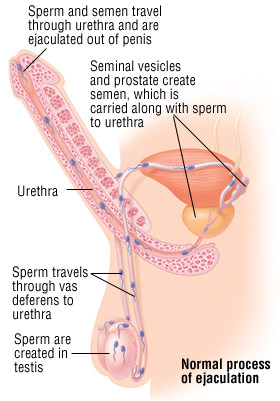
Premature ejaculation occurs when a man reaches orgasm and ejaculates too quickly and without control. In other words, ejaculation occurs before a man wants it to happen. It may occur before or after beginning foreplay or intercourse. Some men experience a lot of personal distress because of this condition.

As many as one in five men experience difficulty with uncontrolled or early ejaculation at some point in life. When premature ejaculation happens so frequently that it interferes with the sexual pleasure of a man or his partner, it becomes a medical problem.

Several factors may contribute to premature ejaculation. Psychological problems such as stress, depression and other factors that affect mental and emotional health can aggravate this condition. However, there is growing evidence that biological factors can make some men more prone to experience premature ejaculation.

Rarely, premature ejaculation can be caused by a specific physical problem, such as inflammation of the prostate gland or a spinal cord problem.

Symptoms

The key symptoms of premature ejaculation include:

  • Ejaculation that routinely occurs with little sexual stimulation and with little control
  • Decreased sexual pleasure because of poor control over ejaculation
  • Feelings of guilt, embarrassment or frustration

Diagnosis

Premature ejaculation is diagnosed based on typical symptoms. To understand your problem, your doctor will need to discuss your sexual history with you. Be frank and open. The more your doctor knows, the better he or she can help you.

If your sexual history fails to reveal significant mental or emotional factors that may contribute to premature ejaculation, your doctor may want to examine you. Your doctor may examine your prostate or do neurological tests (tests of your nervous system) to determine if there is a physical problem that could be causing premature ejaculation.

Expected Duration

Sometimes, premature ejaculation goes away on its own over weeks or months. Working to relieve stress or other psychological issues may help the situation to improve.

Other men have lasting difficulties with premature ejaculation, and require professional help. Some men respond to treatment promptly, while others struggle with this problem over a prolonged period. Effective treatment is available.

Prevention

There is no known way to prevent premature ejaculation. However, you should consider the following advice:

  • Maintain a healthy attitude toward sex. If you experience feelings of anxiety, guilt or frustration about your sex life, consider seeking psychotherapy or sexual therapy.
  • Keep in mind that anyone can experience sexual problems. If you experience premature ejaculation, try not to blame yourself or feel inadequate. Try speaking openly with your partner to avoid miscommunication.

Treatment

Behavioral therapy is one possible approach for treating premature ejaculation. Most commonly, the “squeeze technique” is used. If a man senses that he is about to experience premature orgasm, he interrupts sexual relations. Then the man or his partner squeezes the shaft of his penis between a thumb and two fingers. The man or his partner applies light pressure just below the head of the penis for about 20 seconds, lets go, and then sexual relations can be resumed. The technique can be repeated as often as necessary. When this technique is successful, it enables the man to learn to delay ejaculation with the squeeze, and eventually, to gain control over ejaculation without the squeeze. Behavioral therapy helps 60% to 90% of men with premature ejaculation. However, it requires the cooperation of both partners. Also, premature ejaculation often returns, and additional behavioral therapy may be needed.

Another possible treatment is prescription medication that helps to delay ejaculation. Delayed orgasm is a common side effect of certain drugs, particularly those used to treat depression. This is true even for men who are not depressed. When this type of medication is given to men who experience premature ejaculation, it can help to postpone orgasm for up to several minutes. Drugs used for this type of treatment include selective serotonin reuptake inhibitors (SSRIs), such as fluoxetine (Prozac), paroxetine (Paxil) or sertraline (Zoloft); and tricyclic antidepressants, such as clomipramine (Anafranil).

Some men with premature ejaculation may benefit from drugs called phosphodiesterase inhibitors, such as sildenafil (Viagra), vardenafil (Levitra), and tadalafil (Cialis). A phosphodiesterase inhibitor can be used alone or in combination with an SSRI. One drug should be started at a time, preferably at a low dose.

Some men with premature ejaculation also benefit from reducing the stimulation they experience during sex. A number of creams are available that can partially anesthetize (numb) the penis and reduce the stimulation that leads to orgasm. Another option is to use one or more condoms. However, these techniques may interfere with the pleasure experienced during sex.

When To Call a Professional

Speak with your doctor if you consistently ejaculate before you want to. Remember, one instance of premature ejaculation does not mean that you have a condition that requires treatment. Your doctor may refer you to a sex therapist if premature ejaculation is causing major problems in your sex life or personal relationships or if you would like to consider behavioral therapy.

Prognosis

Many men experience a brief period of premature ejaculation, then improve on their own. Even for men who require medical treatment, the outlook is usually good.

24 Ways You or Your Penis-Having Partner Can Increase Penile Sensitivity

24 Ways You or Your Penis-Having Partner Can Increase Penile Sensitivity

Medically reviewed by Jennifer Litner, LMFT, CST — Written by Adrienne Santos-Longhurst on October 14, 2020

This article is a repost which originally appeared on Healthline

Edited for content

For many folks, sexual satisfaction is all about the feels, so if you or your penis-having partner are experiencing decreased sensitivity down there, it could really mess with your ability to get off.

There are a few things that can cause a decrease in penile sensation, from the way a person masturbates to lifestyle habits and hormone imbalances. The good news: There are ways to get back that lovin’ feeling.

Quick distinction: Less sensation vs. numbness

To be clear, there’s a big difference between less sensation and numbness.

Having less sensation — which is what we’re focusing on in this article — means you don’t feel as much sensation in your peen as you did before.

A numb penis is a whole other ball of wax and refers to not being able to feel any normal sensation when your penis is touched.

If it’s related to your technique

Yep, how you pleasure yourself might be affecting your penile sensation.

What does this have to do with it?

The way you masturbate can lead to decreased sensitivity. Some people call this “death grip syndrome.”

The gist is that people who masturbate using a very specific technique or tight grip can become desensitized to other types of pleasure over time.

When this happens, coming or even getting any pleasure without the exact move or pressure becomes difficult.

If you’re feeling all the feels just fine when you masturbate but find that partner sex is where the sensation is lacking, there are a couple potential reasons.

A thinner or smaller-than-average penis, or even too much lube (natural wetness or synthetic), can mean less friction — and ultimately sensation — during intercourse.

What can you do to help address this?

Just switching up your technique should do the trick and help you recondition your sensitivity.

If death grip is the issue, depending on how you’re used to masturbating, this might mean loosening your grip, stroking at a slower pace, or both.

You could also mix things up with a sex toy made for penis play, like the Super Sucker UR3 Masturbator, which you can buy online, or TENGA Zero Flip Hole Masturbator, which is also available online. And don’t forget the lube!

If intercourse is the issue, some positions make for a tighter fit and therefore more friction.

Here’s a little secret: Tweaking any position so your partner can keep their legs tight together during sex should work.

Plus, if anal sex is what you’re both into, the anus is by nature a tighter squeeze. Just be sure to use a lot of lube if you take it to the backside.

And speaking of a lot of lube: If an abundance of wetness is making sex feel a bit like a Slip ’N Slide, a quick wipe with some tissue should fix it.

If it’s related to your lifestyle

Certain lifestyle habits can be to blame for your peen’s lessened sensitivity.

What does this have to do with it?

Do you bicycle a lot? Do you masturbate frequently? These things can cause the sensitivity in your peen to tank if you do them often.

When it comes to masturbation, how often you do it matters if you’re doing it a lot, according to research that has linked hyperstimulation to decreased penile sensitivity.

As for bicycling, bicycle seats put pressure on the perineum — the space between your balls and anus. It presses on blood vessels and nerves that provide feeling to the penis.

Sitting in a hard or uncomfortable chair for long periods can do the same.

What can you do to help address this?

Masturbation is healthy, but if the frequency of your handy treats is causing a problem, taking a break for a week or two can help get your penis feeling back to itself.

If you sit or bicycle for long periods, take regular breaks. Consider swapping out your bike seat or usual chair for something more comfortable.

If it’s related to your testosterone levels

Testosterone is the male sex hormone responsible for libido, not to mention a bunch of other functions.

If your testosterone (T) level drops, you might feel less responsive to sexual stimulation and have trouble getting aroused.

T levels decrease as you age. Damage to your danglers — aka testicles — can also affect T, as well as certain conditions, substances, and cancer treatment.

Your doctor can diagnose low T with a simple blood test and treat it using testosterone replacement therapy (TRT). Lifestyle changes, like regular exercise, maintaining a moderate weight, and getting more sleep can also help.

If it’s related to an underlying condition or medication

Certain medical conditions and medications can affect sensation in the penis.

What does this have to do with it?

Diabetes and multiple sclerosis (MS) are just a couple conditions that can damage nerves and affect sensation in different body parts, including the penis.

Medications used to treat Parkinson’s disease can also reduce penile sensation as a side effect.

Ensuring that any underlying condition is well managed might help bring the feels back.

If medication’s the culprit, your doctor may be able to adjust your dose or change your medication.

If it’s related to your mental health

Sexual pleasure isn’t just about your D. Your brain plays a big role, too.

What does this have to do with it?

If you’re dealing with anxiety, stress, depression, or any other mental health issue, getting in the mood can be near impossible. And even if you really want to get down to business, your penis may not be as receptive.

What can you do to help address this?

It really depends on what’s going on mentally.

Taking some time to unwind before sexy time can help if you’re feeling stressed or anxious.

A hot bath or shower can help your mind and muscles relax. The warm water also increases circulation, which can help increase sensitivity and make your skin more responsive to touch.

If you’re regularly struggling with feelings of anxiety or depression, or having trouble coping with stress, reach out for help.

Talk to a friend or loved one, see a healthcare provider, or find a local mental health provider through the Anxiety and Depression Association of America (ADAA).

Things to keep in mind if you’re struggling

Not to be punny, but try to not beat yourself silly over this.

We get how frustrating it must be to not be able to enjoy the sensation you want or expect during sexual activity.

Here are some things to keep in mind if you’re struggling.

It’s probably not permanent

Chances are your lessened penile sensation can be improved.

As we’ve already covered, changes in technique, getting in the right frame of mind, or some lifestyle tweaks may be all that’s needed to get your penis feeling right again.

A healthcare provider can help with any underlying medical or mental health issues and recommend the right treatments.

Go easy on yourself

We’re not just talking about choking your chicken either! Stressing about this and putting pressure on yourself will only make things worse in the pleasure department.

Give yourself time to relax and get in the mood before play, and permission to stop and try another time if you’re not feeling it.

Don’t be embarrassed to ask for help

Penis health and sexual health are just as important as other aspects of your health.

If there’s something going on with your penis or your ability to enjoy sexual activity, a professional can help.

Good penis health is in your hands

You can’t control everything, but there are things you can do to help keep your penis healthy:

  • Eat a healthy diet, including foods shown to boost penis health by lowering inflammation and improving T levels and circulation.
  • Get regular exercise to improve mood and T levels, manage your weight, and lower your risk for erectile dysfunction and other conditions.
  • Learn to relax and find healthy ways to cope with stress to improve your T levels, mood, sleep, and overall health.
Things to keep in mind if your partner is struggling

If it’s your partner who’s struggling with lessened sensitivity down there, don’t worry. Chances are there’s a good reason for it, and it’s probably not what you think.

Here are some things to keep in mind if it’s getting to you.

Don’t take it personally

Your first instinct may be to blame yourself if your partner isn’t enjoying sex. Try to not do this.

Sounds harsh, but: Not your penis, not your problem.

As a loving partner, of course you want them to feel good. But unless you’ve damaged their penis by taking a hammer to it, their lessened penile sensitivity isn’t your fault, so don’t make it about you.

I repeat, don’t make it about you

Seriously, it’s not your penis!

As frustrated as you might be, keep it to yourself

Not trying to dismiss your feelings or anything, but as frustrated as you may be that your partner isn’t feeling it even when you pull out your best moves, it’s probably a lot more frustrating for them.

That said, if your partner’s lack of sensation results in a marathon shag sesh that causes chafing to your nether regions, of course you have the right to take a break or stop. It’s your body, after all. Just be mindful of how you say it.

Ask what your partner needs from you

EVERYONE should be asking what their partner needs when it comes to sex and relationships. It’s the key to making both great.

Do they need a little time to relax before action moves to the peen? Do they need more foreplay that focuses on other pleasure spots to help them get in the mood? Do they want to just stop altogether? Don’t be afraid to ask.

The bottom line

If you’ve lost some of that lovin’ feeling down below, your lifestyle and pleasure routine — solo or partnered — may provide some clues. If not, your doctor or other healthcare provider can help.

In the meantime, be patient and kind with yourself, and consider some of your other pleasure zones for satisfaction.


The 10 tips to keep your penis healthy from more sex to exercising it

TIP TOP The 10 tips to keep your penis healthy from more sex to exercising it

Gemma Mullin, Digital Health Reporter
1 Mar 2020, 9:21

This article is a repost which originally appeared on THE SUN

Edited for content

WHEN it comes to talking about matters down below, it can be a pretty sensitive topic.

Most of us prefer to keep discussions about our privates, well, private.

But keeping your todger in good working order is important – especially as you get older.

Research shows that looking after your member can reduce your risk of erectile dysfunction and prostate cancer.

It’ll also help you enjoy a long and happy sex life well into the future.

Not sure where to start?

Here, male sexual health expert Kerri Middleton, from Bathmate, reveals her top tips to keep your penis healthy…

1. Workout

You’ll be pleased to know that the number one tip is to use the tool you’ve been gifted with.

A study by Harvard University found that blokes who ejaculate more frequently — upwards of 21 times per month — have a 33 per cent lower risk of developing prostate cancer.

Men who have sex at least once a week are less likely to suffer erectile dysfunction than those who roll in the hay less often.

A Finnish study has shown that the more you use it, the better your erections will be.

And don’t worry if you’re going through a dry patch – masturbation counts, too.

But it’s not just your penis that you need to work out to keep performing at your best – it’s your entire body.

Plenty of evidence links a sedentary lifestyle with erectile dysfunction, so if you want to improve staying power be sure to enjoy plenty of aerobic exercise.

Running and swimming are the best for penile health.

2. Let go of stress

Leave your stress at work and minimise stressful situations in your home life to keep your member strong.

Excess adrenaline is released into the bloodstream when you’re in a state of worry, causing your blood vessels — including the ones in your penis — to contract.

There are plenty of methods you can use to ease tension and unwind, from meditation to laughter or pumping iron, all of which can help with performance.

3. Cut down on booze

One way many people choose to relieve stress after a hard day’s work is hitting the bottle.

However, if you want to enjoy a healthy sex life long into the future, alcohol can seriously scupper your desire.

Binge and heavy drinking causes nerve and liver damage and can affect the careful balance of male sex hormones.

Even in the short term, alcohol curbs sensitivity and decreases reaction time, leaving you less able to perform.

4. Ditch cigarettes

It’s no secret that cigarettes harm your blood vessels and have a negative impact on your heart health.

Remember that your heart is the ultimate titan, pumping blood throughout your body — including your penis.

Nicotine also makes your blood vessels contract and can stifle blood flow down below.

5. Drink plenty of water

Water keeps everything flowing, especially the plasma and blood cells that make your member stand to attention.

If you’re dehydrated, the blood simply doesn’t flow as well as it should.

So, if you’re worried, up your daily intake of straight H2O to the recommended amount of eight glasses per day.

6. DON’T skip coffee

It’s a little-known fact that coffee consumption and healthy erections are linked.

Drinking coffee is said to speed up the metabolism and get the heart rate going in a healthy way, contributing to blood flow and a healthy member.

Caffeine also causes the arteries in your penis to relax, promoting blood flow to the nether regions.

A study found that drinking two to three cups a day has a particularly positive effect on blokes who are carrying a few extra pounds.

Keeping your penis in good health shouldn’t be a strain.

All of the components required to lead a healthy lifestyle contribute to blood flow, sperm count and testosterone levels and help fight disease.

Get into a mindset where looking after yourself is a priority, and the rest will follow.

7. Get a good night’s sleep

It’s all too easy in our busy society to allow sleep to fall by the wayside.

Between working, playing, relaxing and chatting, there’s barely enough hours in the day.

Still, rest is one of the most vital components of a healthy lifestyle.

Not getting enough sleep is connected to several health issues that contribute to downstairs disappointment such as high blood pressure, diabetes and obesity.

8. Eat well

We all know how important diet is to our overall health, but not many men realise how vital it is to eat the right diet for your penis.

The fuel you put in your body won’t only help erections – it also improves sperm count, sex drive and even affects your risk of prostate cancer.

The foods to avoid:

  • Anything deep-fried
  • Processed meats like bacon
  • Soy
  • Fizzy drinks
  • Sugar
  • Refined carbohydrates like white bread and breakfast cereals

The best foods to eat include tomatoes, salmon, olive oil and oysters.

Another type of food associated with male sexual health is anything spicy.

A French study has found that men who consume more spicy foods have higher testosterone levels than those who shy away from them.

Serrano peppers increase testosterone levels by reducing the amount the kidneys flush out while capsaicin releases chemicals that increase your heart rate, mimic arousal and kickstart your libido.

9. Check cholesterol levels

Not being able to get it up becomes more of an issue the older you get — but it doesn’t have to.

The reason age is tied into loss of erectile function is because as we age, we tend to put less effort into leading a healthy lifestyle.

High cholesterol narrows the blood vessels, which is the leading cause of erectile dysfunction.

Keeping fit, eating healthily and avoiding cigarettes and alcohol are the ideal ways to lower cholesterol.

10. Keep blood pressure in check

Like high cholesterol, high blood pressure is a sign of poor heart health.

It can cause thickening of the arteries, which restricts blood flow and can cause problems with your penis.

Losing weight and enjoying regular cardiovascular exercise, along with avoiding refined carbs and salty food, will naturally lower your blood pressure.