Mind Over Masculinity: Breaking the Stigma of Men’s Mental Health

This article is a repost which originally appeared on RHODY HEALTH/Cranston HERALD

Edited for content. The opinions expressed in this article may not reflect the opinions of this site’s editors, staff or members.

Written by: Eric Tirrell, clinical manager of the Transcranial Magnetic Stimulation (TMS) program and the research operations manager for the Center of Biomedical Research Excellence (COBRE) in Neuromodulation at Butler Hospital and Joshua Davis a program therapist in the Butler Hospital’s Cognitive Behavioral Therapy Program. 

Mental health is a crucial part of our overall well-being, yet it remains a topic that is often misunderstood, stigmatized, and overlooked, especially for men. For far too long, men have been expected to suppress their emotions, to tough it out, to soldier on through difficult times. This resulted in a significant gap in our understanding of men’s mental health needs and an alarming disparity in the rates of suicide, substance abuse, and other mental health issues among men.

By breaking down the walls of stigma and shame surrounding men’s mental health, we can start addressing this critical issue with compassion, understanding, and empathy. Here we will explore the importance of men’s mental health, the challenges men face when seeking help, and the available treatment options that can help them achieve greater emotional well-being and fulfillment.

Sobering Statistics

• Men are more likely to die by suicide than women. In the United States, men account for nearly 75% of all suicides.

• Men are less likely to seek help for mental health issues than women. In a survey conducted by the American Psychological Association, only 35% of men reported they would seek help from a mental health professional, compared to 58% of women.

• Men are more likely to struggle with certain mental health conditions. For example, men are more likely to be diagnosed with alcohol dependence and antisocial personality disorder, while women are more likely to be diagnosed with depression and anxiety disorders.

• Men are more likely to experience workplace stress and burnout. According to a survey by the American Institute of Stress, men are more likely to report feeling overwhelmed at work and are less likely to take time off to care for their mental health.

• Men are more likely to engage in risky behaviors as a coping mechanism. This can include substance abuse, reckless driving, and other dangerous activities.

Importance of Men’s Mental Health

Men’s mental health is important for many reasons.

1. Mental health issues can severely affect a man’s quality of life. This includes relationships, work, and personal goals.

2. Depression, anxiety, and other mental health conditions can impact a person’s ability to function, causing them to feel hopeless, isolated, and overwhelmed.

3. Untreated mental health conditions can lead to physical health issues like heart disease, stroke, and diabetes.

4. Mental health issues can have a ripple effect on those around them, including family members, friends, and colleagues.

5. When men struggle with mental health issues, it can impact their relationships and those closest to them.

6. Addressing men’s mental health is crucial for building a more equitable society that prioritizes all individuals’ well-being, regardless of gender.

Contributing Factors

Several factors contribute to men’s reluctance to seek help for mental health issues. These include societal expectations of masculinity, mental health stigma, and a lack of awareness about available resources.

Men are often expected to be strong, stoic, and self-sufficient, making it difficult to acknowledge their struggles and ask for help. Additionally, mental health stigma can make men feel ashamed or weak for struggling with mental health issues, further preventing them from seeking help.

Treatment Options for Men’s Mental Health

Fortunately, several treatment options are available for men struggling with mental health issues. These include:

• Therapy: Talk therapy can involve working with a mental health professional to identify and address mental health issues. Therapy can be conducted in person, online, or over the phone and can help men develop coping strategies, manage symptoms, and improve their overall mental health.

• Medication: In some cases, medication can be used to treat mental health issues. This may include antidepressants, anti-anxiety medication, or mood stabilizers. Medication can help manage symptoms and improve overall mental health but should always be prescribed and monitored by a healthcare professional.

• Support groups: Support groups can be valuable for men struggling with mental health issues. These groups provide a safe space for men to share their experiences, connect with others going through similar challenges, and receive emotional support.

• Lifestyle changes: Making lifestyle changes, such as eating a healthy diet, exercising regularly, and practicing stress-management techniques, can also improve mental health. These changes can help reduce symptoms of depression and anxiety, improve mood, and promote overall well-being.

• Electroconvulsive Therapy (ECT): ECT uses brief, low-energy electrical pulses to stimulate nerve-cell activity in the part of the brain that affects mood. Stimulating this area helps to alleviate symptoms of depression. The electrical impulses are delivered through electrodes placed on the scalp. Patients are given anesthesia to relax and ensure the procedure is pain-free.

• Transcranial Magnetic Stimulation (TMS): TMS is an FDA-approved outpatient treatment that uses magnetic fields to stimulate nerves in the brain non-invasively. This innovative and safe technique requires no sedation or anesthesia and successfully treats individuals suffering from Major Depressive Disorder and Obsessive-Compulsive Disorder. Published reports from TMS treatment studies for depression show that more than half of patients treated with TMS Therapy experienced significant improvements in symptoms, and one-third of patients experienced full remission of their depressive episodes.

Disclaimer: The content in this blog is for informational and educational purposes only and should not serve as medical advice, consultation, or diagnosis.  If you have a medical concern, please consult your healthcare provider, or seek immediate medical treatment. 

How Can Sleep Affect Men’s Health?

By Hidaya Aliouche, B.Sc.
Reviewed by Sophia Coveney

This article is a repost which originally appeared on News Medical

Edited for content. The opinions expressed in this article may not reflect the opinions of this site’s editors, staff or members.

Key Points

‧ Adults should get an average of 8 hours of sleep per night.

‧ A lack of good sleep can cause many serious maladies.

‧ The use of a CPAP can be beneficial in many cases of sleep apnea

Sleep is known to affect several systems and processes in the body. Overarchingly, sleep deprivation is associated with negative health consequences.

With regards to specific effects of sleep on men’s health, dysfunctional sleeping patterns have been shown to impact erectile dysfunction, lower urinary tract symptoms, hypogonadal symptoms, low testosterone, and male infertility.

What is considered to be appropriate sleep?

The average number of hours of sleep required for an adult is between 7–9 for optimal health. However, a considerable number of adults do not meet this requirement.

A study conducted in 2012 demonstrated that 29.2% of men achieved an average of 6 hours or less of sleep each evening. the institute of Medicine further estimates that between 50 and 70 million Americans suffer from a chronic sleep disorder; this epidemic is associated with societal changes which include increased reliance on technology, increased working hours, and poor sleep hygiene.

In addition, non-standard shift working patterns can divulge significantly from circadian patterns which further increases the risk of impaired sleep quality.

The interrelationship between disrupted or inadequate sleep and the manifestation of disease

The relationship between health and sleep is bi-directional. There are several medical conditions associated with inadequate or disrupted sleep which include restless leg syndrome, insomnia, hypogonadism, sleep apnea, and depression.

Furthermore, several studies have revealed that short and sleep or disrupted sleep can produce health conditions including diabetes, coronary heart disease, hypertension, heart attacks, stroke, and several endocrine and cardiovascular disorders. Moreover, poor sleep also impacts the patients’ perception of symptoms and their severity alongside the clinical responses observed.

Combined with independent risk factors such as age, body mass in tax, mental health conditions that affect the perception of symptoms such as depression, and clinical characteristics, sleep functioning can moderate clinical symptoms and impact the quality of life experienced by patients.

Sleep and erectile dysfunction

In the general population, longitudinal studies have revealed that approximately 50% of men experienced erectile dysfunction to some degree. Several studies have reported that sleep can affect erectile dysfunction. For example, a cross-sectional analysis of 2676 men over the age of 67 found that those with a sleep dysfunction called nocturnal hypoxemia were more likely to experience moderate or complete erectile dysfunction.

In the same study, a similar condition that disrupts sleep, sleep apnea, was studied in relation to erectile dysfunction. In a randomized sham-controlled trial, a total of 61 men were assigned to groups to investigate whether the use of continuous positive airway pressure (CPAP) could improve erectile function in men who suffered from both erectile dysfunction and obstructive sleep apnea.

Overall, men who were randomized to CPAP showed no change in erectile dysfunction; however, when further examined in terms of patients who used the CPAP machine for over four hours per night, those who did so experienced a significant improvement. A placebo trial showed that a medication commonly used to treat erectile dysfunction did not significantly improve erectile dysfunction in these men.

These results suggest that in men with obstructive sleep apnea, sleep quality contributes to the condition, and may not respond to first-line treatment for erectile dysfunction with a PDE5 inhibitor; suggesting that in fact, correcting the underlying sleep impairment could produce more significant improvement in erectile dysfunction.

Alongside obstruction to breathing, non-standard shift work that has a significant effect on sleep has been shown to impact erectile dysfunction. A correlation between insomnia and erectile dysfunction has been confirmed by several studies. Some of these studies suggest that the correction of poor sleep in isolation may lead to a clinical improvement in manifestations of erectile dysfunction. This body of research continues to grow.

Sleep and lower urinary tract symptoms

Aging male populations commonly experience lower urinary tract symptoms. This is frequently associated with benign prostatic hypertrophy. Symptoms include poor urine stream, incomplete emptying of the bladder, straining, changes to the frequency of urination, urination hesitancy, and nocturia.

The urge to urinate is often exacerbated during the night, which leads to disrupted sleep and a decrease in overall sleep quality. A survey conducted on 5335 men who were diagnosed with lower urinary tract symptoms demonstrated that only 13% reported continuous sleep periods of more than two to three hours, illustrating the degree to which urinary tract symptoms can affect sleep.

Other studies have verified an association between lower urinary tract symptoms and other sleep-affecting conditions. For example, men with obstructive sleep apnea are more likely to experience urinary tract symptoms compared to those who do not. The severity of obstructive sleep apnea in this context has been found to correlate the most strongly with daytime frequency, urgency, and frequency of nocturia.

CPAP machines have been found to reduce lower urinary tract symptoms in those with obstructive sleep apnea. For example, a man with both lower urinary tract symptoms and obstructive sleep apnea who implemented CPAP for 12 months showed a significant increase in bladder compliance, as well as decreases in nocturia frequency and nighttime urination volumes.

Insomnia is also considered to be an aggravator of lower urinary tract symptoms as well as non-standard shift work.

Sleep and male fertility

Several studies have demonstrated that sperm counts have been decreasing over the past 40 years (50 to 60%). Unlike the linear correlation between erectile dysfunction and sleep, the relationship between sleep and male fertility is less clear.

Evidence suggests that an inverted U shape relationship exists, meaning that excessive and insufficient sleep are equally associated with reduced fertility. In a study of 198 infertile men, this relationship was found. However, interestingly no differences in semen volume, sperm motility, luteinizing hormone, or follicle-stimulating hormone were observed.

An additional study found via testicular biopsies in idiopathic infertile men that full circadian disruption – as manifested by too little or too much sleep – may affect the oxidation state of the testicle, shifting spermatogenesis.

Despite these correlative studies, no studies have assessed the impact of obstructive sleep apnea on fertility. With regards to non-standard shift work which impairs sleep quality, this has been suggested to impair spermatogenesis, although findings from studies have been inconsistent: some studies have demonstrated that men performing shift work had higher odds of experiencing infertility, while others have found no effect.

Conclusion

Poor sleep affects men and women alike. However, the unique effects in men concern urological problems, including erectile dysfunction, lower urinary tract symptoms, hypogonadism, and male infertility.

Alongside these, poor sleep is associated with a higher risk of several health problems that affect the quality of life including but not limited to cognitive impairment, social impairment, mood disturbances, and an increased risk of cardiovascular disease and associated manifestations such as atrial fibrillation.

References

‧  Kohn TP, Kohn JR, Haney NM, et al. (2020) The effect of sleep on men’s health. Transl Androl Urol. doi:10.21037/tau.2019.11.07.
‧  Irer B, Celikhisar A, Celikhisar H, et al. (2018) Evaluation of Sexual Dysfunction, Lower Urinary Tract Symptoms and Quality of Life in Men With Obstructive Sleep Apnea Syndrome and the Efficacy of Continuous Positive Airway Pressure Therapy. Urology. doi:10.1016/j.urology.2018.08.001.
‧  Soterio-Pires JH, Hirotsu C, Kim LJ, et al. (2016)The interaction between erectile dysfunction complaints and depression in men: a cross-sectional study about sleep, hormones, and quality of life. Int J Impot Res. doi:10.1038/ijir.2016.4.
‧  McBride JA, Kohn TP, Rodriguez KM, et al. (2018) Incidence and characteristics of men at high risk for sleep apnea in a high volume andrology clinic. J Urol. 10.1016/j.juro.2018.02.1358.


Common and Uncommon Threats to Men’s Sexual Health

3 Common—and 4 Uncommon—Risks to Men’s Sexual Health

You might know some of these threats to your sexual well-being. Others might surprise you.

Author: Kurtis Bright
Published: March 22, 2023

This article is a repost which originally appeared on Giddy

Edited for content. The opinions expressed in this article may not reflect the opinions of this site’s editors, staff or members.

Key Points

‧ Sexual health information is more abundant and easier to access than ever.

‧ Ironically, men are at a greater risk of diseases caused by excess and poor lifestyle choices than ever.

‧ ED is a notorious side effect of common ailments like diabetes and poor cardiovascular health.

Sexual health information is everywhere these days, both quality info and the not-so-high-quality kind that’s widespread on social media platforms. Even with all this access to so much information, though, certain lesser-known threats to our sexual health and fertility may slip under the radar.

At the same time, the seriousness of certain sexual health risks that “everyone knows about” may go ignored.

Here are three of the more common risks to men’s sexual health and fertility, as well as a handful of risks that aren’t always recognized as threats.

What are the biggest risks to men’s sexual health?

When we talk about threats to sexual health, we’re often talking about systemic problems. That is to say, if you’re having a problem with how your penis works, it’s not necessarily about your penis.

In modern society, we tend to view medicine as slapping on a bandage or taking a pill to alleviate the most obvious symptom we can see. In reality, lots of problems you might have in other parts of your body can affect how your penis functions.

“Sexual health is health,” said Justin Dubin, M.D., a urologist and men’s health specialist with Memorial Healthcare System in South Florida. “So sexual health problems, in general, can be a warning sign or a result of other health issues: diabetes, heart issues, infections, depression, anxiety, testosterone issues, obesity, other lifestyle issues—you name it. Having ED is the canary in the coal mine.”

Common sexual health issues

Three of the most common issues that can affect sexual health are cardiovascular disease, obesity and diabetes. They work against us in different ways.

Cardiovascular disease

Heart disease and vascular problems are strongly associated with erectile dysfunction (ED). A vital component of getting an erection is good blood flow to the penis, and issues such as atherosclerosis and high blood pressure hamper it.

Obesity

Obesity is a big risk factor for ED. One study indicated 79 percent of men who presented with ED were clinically obese, and obesity hampers your heart’s ability to pump blood. Plus, it’s a comorbidity for another risk factor, diabetes.

Diabetes

Diabetes causes a condition called diabetic neuropathy, which affects nerve endings and can result in numbness, tingling and loss of sensation. Along with blood flow, nerves are crucial for the penis to receive the signals from the brain and nervous system to get erect.

“You need to have good nerves in your penis,” Dubin said. “People [with diabetes] who have bad sensation in their feet or fingers or their eyesight, well, the nerves in the penis are very small as well, and poorly controlled diabetes can cause ED.”
Less common risks to sexual health

Four of the less obvious issues that can affect your sexual health include smoking, sexually transmitted infections (STIs), Peyronie’s disease and mental health.

Smoking

The dangers associated with smoking often focus on the lungs and heart, and rightly so. However, a lesser-known effect of smoking is that it’s associated with ED.

“Smoking and ED are linked to overall cardiovascular health,” said Neel Parekh, M.D., a men’s fertility and sexual health specialist with Cleveland Clinic. “It’s associated with cardiovascular disease, so that’s another reason why it can make it more difficult to achieve an erection. It can even affect fertility; smoking has a negative effect on how well the sperm swim.”

Indeed, according to some studies, smoking has a negative impact on semen parameters. Luckily, other studies show that quitting can greatly improve them in a short amount of time.

STIs

When it comes to fertility, another little-known issue some guys may encounter is that sexually transmitted infections can affect your sperm. An STI can travel up the urinary tract and cause problems in the rest of your reproductive system in ways that may affect you long after you’ve taken your antibiotics and the symptoms have gone away.

“Chlamydia and different bacterial infections can lead to epididymitis—the inflammation of the epididymis—which is where sperm is stored,” Parekh said. “These STDs can cause scarring of the epididymis or vas deferens and cause blockages for guys, preventing sperm from traveling through.”

Peyronie’s disease

Another issue that can fly under the radar is Peyronie’s disease. It’s a buildup of fibrous plaque or scarring in the penis that may result in a lump or new curvature that wasn’t there before. It’s thought to affect 1 in 10 men and may come on suddenly due to overenthusiastic sexual activity or over time through buildup. It can also cause erections to be painful during the acute phase.

“Peyronie’s disease is another uncommon disease that some guys will let go unchecked,” Parekh said. “A painful lump in the penis can lead to worsening curvature to the point where they can’t penetrate. Some guys will kind of ignore it for a while; maybe they’re embarrassed by it and they don’t want to tell anybody.”

Mental health

It’s an old trope: The biggest sex organ in the body is the brain. If your emotional state isn’t good, it can have a profound impact on sexual function.

Don’t forget that some antidepressants have a negative effect on sexual function, too, so it’s important to talk with your healthcare provider and make sure you address both mental health and sexual health.

“Mental health is health, too, just like sexual health,” Dubin said. “Depression, anxiety and medications that treat depression and anxiety can cause ED. I always quote the great Robin Williams: ‘God gave man a brain and a penis, and only enough blood to control one at a time.’ So if you’re up in your head, your penis is just not going to work. It’s just not.”

Conclusions

A wide variety of health issues can affect your sexual health and fertility. But perhaps the main takeaway should be that instead of trying to list all the possible factors that could specifically affect your penis, try to remember that the penis is just one part of the intricate and complex machine that is your body. Mess with one part of the network and it’s likely to have downstream effects. Take care of your body, and it’ll take care of you.

If your overall health is solid but erectile dysfunction is an issue, even intermittently, a wearable device free of the side effects of popular medications can restore sexual function. Eddie® is an FDA-registered Class II medical device designed to treat erectile dysfunction and improve male sexual performance. Its urologist-designed shape and fast-acting results allow you to treat your ED with more control. With Eddie, you don’t need to wait for a pill to kick in, use an awkward pump or subject yourself to painful injections.

In 2021 clinical trials, 95 percent of men who used Eddie reported a positive effect on their sex life.

Depression and erectile dysfunction: The link, causes, and treatment

What to know about depression and erectile dysfunction

Medically reviewed by Nicole Washington, DO, MPH — By Mary West on November 14, 2022

This article is a repost which originally appeared on MEDICAL NEWS TODAY.

Edited for content. The opinions expressed in this article may not reflect the opinions of this site’s editors, staff or members.

Our takes:

‧ There are many potential causes of Erectile Dysfunction (ED).

‧ Anxiety and emotional stress appear to be common underlying factors.

‧ Medical professional assistance is available for treating ED.

Research has shown that there is a link between the two conditions. If a person has depression, they have a higher risk of developing erectile dysfunction (ED).

The above information comes from a 2018 review published in The Journal of Sexual Medicine.

Researchers do not fully understand the connection. However, theories suggest the underlying causes may include sexual performance anxiety or antidepressant side effects.

If a person with depression experiences ED, their doctor may prescribe a medication such as sildenafil (Viagra). Alternatively, they may recommend trying a different antidepressant.

Read on to learn about the symptoms of ED, how depression can cause it, treatment options, and more.

Signs and symptoms of erectile dysfunction

The signs of ED include‧:

‧ ability to get an erection only sometimes, despite a desire to have sex

‧ inability to get an erection at any time

‧ ability to get an erection, but being unable to sustain it throughout sex

Can depression cause erectile dysfunction?

Research from 2018 evaluates 49 studies to determine the relationship between depression and ED. It finds that a person with depression was 39% more likely to have ED than a person without depression.

Experts do not fully understand the factors that underlie how depression may cause ED. However, the current theories include:

‧ Behavioral: Depression involves negative thoughts and low mood. Either or both can lead to performance anxiety that hinders erectile function.

‧ Antidepressants: Many people with depression take antidepressant medications to manage their symptoms. However, these medications can cause low libido and inhibit the ability to have or maintain an erection.

‧ Low testosterone: The male hormone, testosterone, plays a key role in sexual performance. As such, low levels often correlate to ED. There is an association between depression and low testosterone levels in men.

The previously mentioned 2018 review also finds that people with ED are 192% more likely to have depression. This means that the link between depression likely goes both ways. For example, a person with depression may have ED for the reasons listed above. Similarly, a person with ED may also be more likely to experience depression.

Low self-esteem, self-consciousness about sexual performance, and other negative thoughts could contribute to depression in people with ED.
Other causes

There are a wide variety of factors besides depression that can cause ED. They include:

physical health conditions, such as:

‧ type 2 diabetes

‧ high blood pressure

‧ heart and blood vessel disease

‧ multiple sclerosis

‧ Peyronie’s disease (curvature of the penis)

‧ chronic kidney disease

‧ surgery for bladder cancer

‧ injury to the penis or pelvic area

certain medications, including:

‧ antidepressants, such as fluoxetine (Prozac)

‧ blood pressure drugs, such as atenolol (Tenormin)

‧ tranquilizers, such as diazepam (Valium)

‧ antiandrogens (medications that block the effects of testosterone), such as bicalutamide (Casodex)

‧ appetite suppressants, such as phentermine (Adipex-P)

Mental health factors can also increase a person’s likelihood of ED. In addition to depression, these include:

‧ anxiety

‧ low self-esteem

‧ fear of sexual failure

‧ stress

‧ guilt about certain sexual activities

Treatment options

Treatment for ED and depression includes medication, lifestyle changes, and psychotherapy. The treatment a healthcare professional recommends depends on the underlying cause of a person’s symptoms.

Medications for erectile dysfunction

Older research from 2001 explains when depression and ED occur simultaneously, treating one condition may improve the other. The findings indicate that treating ED with Viagra can alleviate the issue and lead to a notable reduction in depression.

Despite this, the research did not investigate how long the improvement lasts.

Doctors commonly prescribe Viagra for ED. It works by relaxing the muscle and increasing blood flow to the penis during sexual arousal. Other medications in the class include:

‧ vardenafil (Levitra)

‧ avanafil (Stendra)

‧ tadalafil (Cialis)

Additionally, if a person has low testosterone, a doctor may prescribe supplemental hormones.

Another treatment option that can trigger an erection is alprostadil. This comes in the form of an injection (Caverject) or a suppository (Muse).

Medication change for depression

A study from 2017 notes that sexual dysfunction is a common side effect of many antidepressants. For that reason, changing medication can help. Low libido and difficulty maintaining an erection are common side effects of antidepressants. However, some medications are less likely to have these effects.

The study’s authors recommend the following antidepressants for people who consider sexual functioning important:

‧ desvenlafaxine (Pristiq)

‧ trazodone

‧ vortioxetine (Trintellix)

‧ vilazodone

Lifestyle changes

Lifestyle changes may also reduce symptoms‧ of ED. These changes include:

‧ stopping smoking, if applicable

‧ eating a nutritious diet

‧ exercising regularly

‧ maintaining a moderate weight

‧ limiting or stopping recreational drug use, if applicable

Psychotherapy

The following psychotherapy interventions may help a person manage the emotional and psychological effects of depression and ED.

‧ Sex therapy: This involves counseling partners about their relationship or sex-related concerns.

‧ Cognitive behavioral therapy (CBT): This helps a person identify unhelpful thoughts and develop healthier ways of responding to challenges.

‧ Mindfulness therapy: This mental exercise consists of focusing on the present moment.

When to contact a doctor

If a person thinks they may have ED, it is a good idea to make an appointment with a doctor.

Additionally, people should seek medical attention if they have symptoms of depression. The sad feelings associated with depression last weeks and months, not days.

If they have suicidal thoughts, they should get immediate medical attention.

Suicide prevention

If you know someone at immediate risk of self-harm, suicide, or hurting another person:

Ask the tough question: “Are you considering suicide?”
Listen to the person without judgment.
Call 911 or the local emergency number, or text TALK to 741741 to communicate with a trained crisis counselor.
Stay with the person until professional help arrives.
Try to remove any weapons, medications, or other potentially harmful objects.

If you or someone you know is having thoughts of suicide, a prevention hotline can help. The 988 Suicide and Crisis Lifeline is available 24 hours a day at 988. During a crisis, people who are hard of hearing can use their preferred relay service or dial 711 then 988.

Click here for more links and local resources.

Summary

People with depression are more likely to have ED, and ED is also associated with higher rates of depression. Symptoms of ED include being unable to attain and sustain an erection long enough to have sex.

If a person has both depression and ED, treating one condition is likely to improve the other. Medication and psychotherapy interventions, such as mindfulness, may help someone manage both conditions.

Sources:

Chokka, P. R., et al. (2017). Assessment and management of sexual dysfunction in the context of depression.
https://journals.sagepub.com/doi/10.1177/2045125317720642
Liu, Q., et al. (2018). Erectile dysfunction and depression: A systematic review and meta-analysis.
https://www.jsm.jsexmed.org/article/S1743-6095(18)31007-5/fulltext
Lue, T. (n.d.). Erectile dysfunction (ED).
https://www.niddk.nih.gov/health-information/urologic-diseases/erectile-dysfunction
Overview – clinical depression. (2019).
https://www.nhs.uk/mental-health/conditions/clinical-depression/overview/
Seidman, S. N., et al. (2001). Treatment of erectile dysfunction in men with depressive symptoms: Results of a placebo-controlled trial with sildenafil citrate.
https://ajp.psychiatryonline.org/doi/10.1176/appi.ajp.158.10.1623
Walther, A., et al. (2019). Association of testosterone treatment with alleviation of depressive symptoms in men.
https://jamanetwork.com/journals/jamapsychiatry/fullarticle/2712976

How the timing of dinner and genetics affect individuals’ blood sugar control

Eating dinner close to bedtime, when melatonin levels are high, disturbs blood sugar control, especially in individuals with a genetic variant in the melatonin receptor MTNR1B, which has been linked to an elevated risk of type 2 diabetes. The high melatonin levels and food intake associated with late eating impairs blood sugar control in carriers of the MTNR1B genetic risk variant through a defect in insulin secretion

This article is a repost which originally appeared on ScienceDaily
Massachusetts General Hospital - January 25, 2022
Edited for content and readability - Images sourced from Pexels 
Source: DOI: 10.2337/dc21-1314

Our Takeaways:

  • The melatonin receptor-1b gene (MTNR1B) has been linked with an elevated risk of type 2 diabetes.
  • Late dinner timing resulted in lower insulin levels and higher blood sugar levels for the entire group
  • People with the MTNR1B gene had higher blood sugar levels than those without this genetic variant.

Blood sugar control, which is impaired in individuals with diabetes, is affected by various factors — including the timing of meals relative to sleep as well as levels of melatonin, a hormone primarily released at night that helps control sleep-wake cycles. In research published in Diabetes Care, a team led by investigators at Massachusetts General Hospital (MGH), Brigham and Women’s Hospital (BWH) and the University of Murcia in Spain conducted a clinical trial to look for connections between these two factors.

“We decided to test if late eating that usually occurs with elevated melatonin levels results in disturbed blood sugar control,” says senior author Richa Saxena, PhD, a principal investigator at the Center for Genomic Medicine at MGH.

For the randomized crossover study that included 845 adults from Spain, each participant fasted for eight hours and then for the next two evenings had first an early meal and then a late meal relative to their typical bedtime. The investigators also analyzed each participant’s genetic code within the melatonin receptor-1b gene (MTNR1B) because previous research has linked a variant (called the G-allele) in MTNR1B with an elevated risk of type 2 diabetes.

“In natural late eaters, we simulated early and late dinner timing by administering a glucose drink and compared effects on blood sugar control over two hours,” explains Saxena. “We also examined differences between individuals who were carriers or not carriers of the genetic variant in the melatonin receptor.”

The team found that melatonin levels in participants’ blood were 3.5-fold higher after the late dinner. The late dinner timing also resulted in lower insulin levels and higher blood sugar levels. (This connection makes sense because insulin acts to decrease blood sugar levels.) In the late dinner timing, participants with the MTNR1B G-allele had higher blood sugar levels than those without this genetic variant.

“We found that late eating disturbed blood sugar control in the whole group. Furthermore, this impaired glucose control was predominantly seen in genetic risk variant carriers, representing about half of the cohort,” says lead author Marta Garaulet, PhD, a professor of physiology and nutrition in the Department of Physiology at the University of Murcia.

Experiments revealed that the high melatonin levels and carbohydrate intake associated with late eating impairs blood sugar control through a defect in insulin secretion.

“Our study results may be important in the effort towards prevention of type 2 diabetes,” says co-senior author Frank A.J.L. Scheer, PhD, MSc, director of the Medical Chronobiology Program at BWH. “Our findings are applicable to about a third of the population in the industrialized world who consume food close to bedtime, as well as other populations who eat at night, including shift workers, or those experiencing jetlag or night eating disorders, as well as those who routinely use melatonin supplements close to food intake.”

The authors note that for the general population, it may be advisable to abstain from eating for at least a couple of hours before bedtime. “Genotype information for the melatonin receptor variant may further aid in developing personalized behavioral recommendations,” says Saxena. “Notably, our study does not include patients with diabetes, so additional studies are needed to examine the impact of food timing and its link with melatonin and receptor variation in patients with diabetes.”

Men Prone To Worry and Anxiety May Develop Heart Disease and Diabetes Risk Factors at Younger Ages

Middle-aged men who are anxious and worry more may be at greater biological risk for developing heart disease, stroke, and type 2 diabetes, also called cardiometabolic disease, as they get older, according to new research published today in the Journal of the American Heart Association, an open access journal of the American Heart Association.

This article is a repost which originally appeared on SciTechDaily

The American Heart Association - January 24, 2022
Edited for content and readability - Images sourced from Pexels
Source: DOI: 10.1161/JAHA.121.022006

Our Takeaways:

  • Heart disease and Type 2 diabetes developed earlier in life among those who reported more feelings of worry or being overwhelmed.
  • The study suggests that men prone to worry and anxiety may need to pay extra attention to cardiometabolic disease risk factors, such as maintaining a healthy weight and taking blood pressure or cholesterol medicines, if needed.
  • The findings also suggest that treating anxiety disorders may lower cardiometabolic disease risk.

“While the participants were primarily white men, our findings indicate higher levels of anxiousness or worry among men are linked to biological processes that may give rise to heart disease and metabolic conditions, and these associations may be present much earlier in life than is commonly appreciated – potentially during childhood or young adulthood,” said Lewina Lee, Ph.D., lead author of the study, an assistant professor of psychiatry at Boston University School of Medicine, and an investigator and clinical psychologist at the National Center for Posttraumatic Stress Disorder at the U.S. Department of Veterans Affairs, both in Boston.

To track the relationship between anxiety and cardiometabolic disease risk factors over time, the investigators analyzed data on participants in the Normative Aging Study, which is a longitudinal study of aging processes in men, founded at the U.S. Veterans Affairs outpatient clinic in Boston in 1961. The study includes both veterans and non-veterans. This analysis included 1,561 men (97% white), who were an average age of 53 years in 1975. The men completed baseline assessments of neuroticism and worry and did not have cardiovascular disease or cancer at that time. A personality inventory assessed neuroticism on a scale of 0–9. In addition, a worry assessment tool asked how often they worried about each of 20 items, with 0 meaning never and 4 meaning all the time.

“Neuroticism is a personality trait characterized by a tendency to interpret situations as threatening, stressful and/or overwhelming. Individuals with high levels of neuroticism are prone to experience negative emotions – such as fear, anxiety, sadness and anger – more intensely and more frequently,” said Lee. “Worry refers to our attempts at problem-solving around an issue whose future outcome is uncertain and potentially positive or negative. Worry can be adaptive, for example, when it leads us to constructive solutions. However, worry can also be unhealthy, especially when it becomes uncontrollable and interferes with our day-to-day functioning.”

After their baseline assessment, the men had physical exams and blood tests every 3-5 years until they either died or dropped out of the study. The research team used follow-up data through 2015. During follow-up visits, seven cardiometabolic risk factors were measured: systolic (top number) blood pressure; diastolic (bottom number) blood pressure; total cholesterol; triglycerides; obesity (assessed by body mass index); fasting blood sugar levels; and the erythrocyte sedimentation rate (ESR), a marker of inflammation.

A risk factor for cardiometabolic disease was considered in the high-risk range if the test results for the risk factor was higher than the cut-point established by national guidelines, or if the participant was taking any medicines to manage that risk factor (such as cholesterol-lowering medications). Cut points for ESR as a risk factor are not standardized, so the participant was ranked as high-risk if they were in the top 25% of those tested. Each participant was assigned a risk factor count score, one point for each of the seven risk factors classified as high-risk. The men were then stratified based on whether they did or did not develop six or more high-risk factors during the follow-up period.

“Having six or more high-risk cardiometabolic markers suggests that an individual is very likely to develop or has already developed cardiometabolic disease,” said Lee.

The researchers found:

  • Between ages 33 to 65, the average number of cardiometabolic high-risk factors increased by about one per decade, averaging 3.8 risk-factors by age 65, followed by a slower increase per decade after age 65.
  • At all ages, participants with higher levels of neuroticism had a greater number of high-risk cardiometabolic factors.
  • Higher neuroticism was associated with a 13% higher likelihood of having six or more cardiometabolic disease risk factors, after adjusting for demographic characteristics (such as income and education) and family history of heart disease.
  • Higher worry levels were associated with a 10% higher likelihood of having six or more cardiometabolic disease risk factors after adjusting for demographic characteristics.

“We found that cardiometabolic disease risk increased as men aged, from their 30s into their 80s, irrespective of anxiety levels, while men who had higher levels of anxiety and worry consistently had a higher likelihood of developing cardiometabolic disease over time than those with lower levels of anxiety or worry,” Lee said.

The researchers did not have data on whether participants had been diagnosed with an anxiety disorder. Standard evidence-based treatment for anxiety disorders includes psychotherapy or medication, or a combination of the two.

“While we do not know whether treatment of anxiety and worry may lower one’s cardiometabolic risk, anxious and worry-prone individuals should pay greater attention to their cardiometabolic health. For example, by having routine health check-ups and being proactive in managing their cardiometabolic disease risk levels (such as taking medications for high blood pressure and maintaining a healthy weight), they may be able to decrease their likelihood of developing cardiometabolic disease,” said Lee.

It is unclear to what extent the results of this analysis are generalizable to the public since the study participants were all male and nearly all white. In addition, although participants were followed for four decades, they were middle-aged when the study began.

“It would be important for future studies to evaluate if these associations exist among women, people from diverse racial and ethnic groups, and in more socioeconomically varying samples, and to consider how anxiety may relate to the development of cardiometabolic risk in much younger individuals than those in our study,” Lee said.

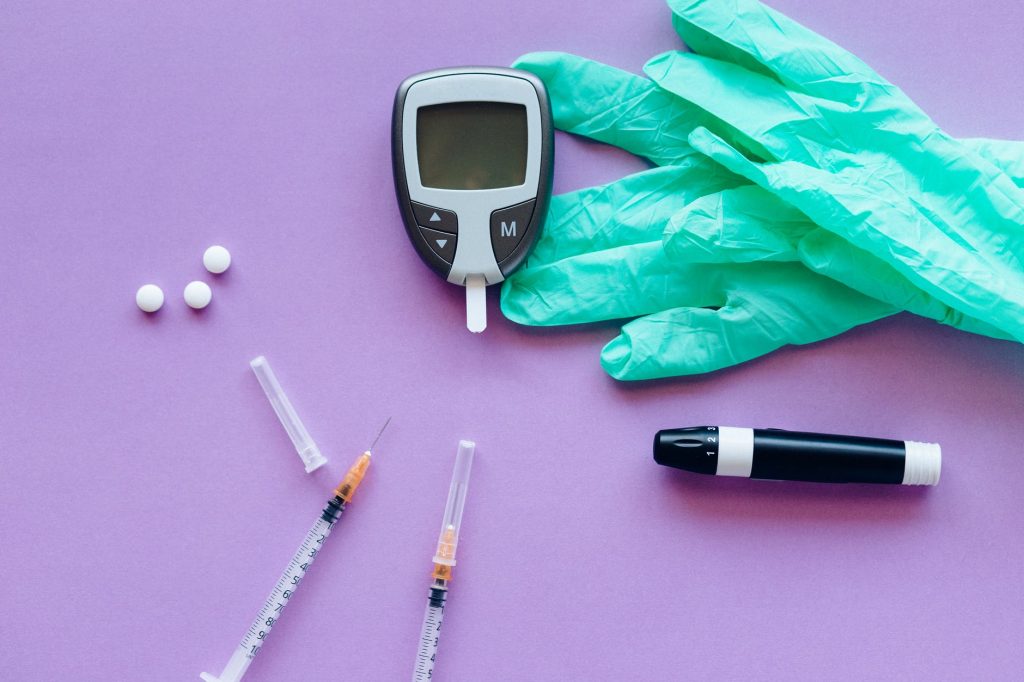
Glucose Level Detector Will Help You Check Blood Sugar Using Perspiration; Here’s How It Works

Have you been apprehensive about pricking your fingers to know your glucose level? Fear no more as American scientists have recently developed the model of a portable glucose monitor.

This article is a repost which originally appeared on The Science Times
Marie Morales - October 18, 2021
Edited for content and readability Images sourced from Pexels
DOI: 10.1016/j.bios.2021.113606

In the study, Laser-induced graphene non-enzymatic glucose sensors for on-body measurements, published in the journal Biosensors and Bioelectronics, a team of researchers from Pennsylvania State University initially developed a device with laser-induced graphene or LIG, a material comprising layers of carbon and thickness of an atom in various types.

While the said LIG seemed to be an ideal setting for the monitoring or detecting device, the report specified that it was “not at all sensitive to glucose.”

People apprehensive about pricking their fingers to monitor their glucose level will fear no more as American scientists have recently developed the model of a portable glucose monitor.

Nickel for Strong Sensitivity to Glucose

Addressing the flaw, the team then opted for nickel due to its strong sensitivity to glucose and combined it with gold to lessen the possible risk of an allergic reaction.

While the glucose concentration in sweat is roughly 100 times lower than the concentration in blood, this new device of the team is sensitive enough to measure glucose accurately in the seat and have the concentration reflected in the blood.

According to Huanyu “Larry Cheng,” a Penn State Department of Engineering and Mechanical Sciences professor, the sensitivity of the nickel-gold alloy enabled the team to rule out enzymes, which are frequently used to measure glucose in more invasive, not to mention commercially available devices.

Nevertheless, non-enzymatic sensors necessitate an alkaline solution, which can impair the skin, and in general, limits the device’s portability.

Microfluidic Chamber Attached to the LIG

To control the possible damage, the researchers attached a microfluidic chamber to the LIG allow, which is linked to a collection inlet that enables sweat to pass through the solution minus enabling it to touch the skin.

The basic solution is interacting with the glucose molecules to generate a compound that is reacting with the allow.

Such a reaction is activating an electrical signal that indicates the concentration of glucose in sweat, explained Cheng.

Conducting a proof-of-concept test, the study authors used an adhesive that’s safe to use in skin, to attach to the wearable device, specifically worn over the arm of a person, one hour and three hours following a meal.

A Decline in Glucose Concentration

Before every measurement beat, the subject was tasked to perform a brief training session, just adequate to generate sweat.

After a few minutes of collecting the seat, the researchers discovered that the detected concentration of glucose dropped from the initial measurement to the succeeding one.

Essentially, glucose readings from the device were validated by measurements made using a glucose meter that’s commercially available.

Commenting on the invention, Cheng said they want to work with doctors, as well as other healthcare providers to find out how their technology can be applied for the patient’s daily monitoring. He added this glucose sensor serves as an ultimate example to show that the detection of biomarkers in sweat can be enhanced at very low concentrations.

Related information about non-invasive glucose monitoring devices is shown on TechCrunch’s YouTube video below:

Sugar and Aging: What You Need to Know

People looking to extend their lives have a particular interest in sugar and aging, but what does the science actually say?

This article is a repost which originally appeared on Longevity Advice
Rachel Burger - September 13, 2021
Edited for content and readability Images sourced from Pexels

In a lot of diets, from the Mediterranean diet to the low-carb diet, all uniformly advocated for removing processed foods and refined sugar.

But mechanistically, why is sugar a problem? Does sugar contribute to aging? Are there nuances to the sugar-is-always-bad narrative?

In this article, I aim to answer all these questions. But first, I want to address a larger question: why is sugar talked so much in relation to health, nutrition, and aging?

Why is sugar a focus?

Humans are hardwired to love sweet foods.

You might meet the occasional adult who claims to hate sugar, but you’ve likely never met a kid who turned their nose up at a sweet. In fact, there’s a general consensus that sugar preferences in children are not a byproduct of advertising or food manufacturing, but of biological desires. A review published in the journal Clinical Nutrition and Metabolic Care explains, “Heightened preference for sweet-tasting foods and beverages during childhood is universal and evident among infants and children around the world.”

While “too sweet” is a concept adults are familiar with (they tend to max out at about what you’d get in a 20 oz Gatorade), there is no known upper limit to how much sweetness—sugar, by extension—kids like.

“Sugar” is shorthand for “simple carbohydrates.” There are two natural categories of sugars:

  • Monosaccharides: Simple carbs with a single sugar molecule. Glucose, fructose, and galactose are monosaccharides.
  • Disaccharides: Simple carbs with two sugar molecules joined together.

There are only three disaccharides that are naturally occurring. Sucrose, which you can find in table sugar, honey, and dates, is a combination of glucose and fructose. Lactose, or the combination of glucose and galactose, is natural milk-derived sugar, found in cream, butter, and human breast milk. Finally, there’s maltose, which has two bonded glucose molecules, which is found in germinating grains. Foods with maltose include beer and bread.

(Other sweeteners, like high fructose corn syrup, are man-made disaccharides [any of a class of sugars whose molecules contain two monosaccharide residues].)

Carbohydrates, regardless of if they’re simple or complex carbs, are used for four functions in the human body. As this is an incredibly dense topic, please use the links provided for further reading if you’re interested.

  • Producing energy: Most human cells prefer or require carbohydrates to produce energy and work as they’re supposed to.
  • Energy storage: Carbohydrates that aren’t immediately used are stored as glycogen.
  • Building macromolecules: Carbohydrates are used to make ribose and deoxyribose, the foundations of macromolecules like DNA and RNA.
  • Preserving fat and protein: Blood glucose spares the body from having to use fat and protein as the body’s main source of energy.

In other words, carbohydrates are an essential part of a functioning human body. Because simple carbs have a shorter chain of molecules, they’re easier to digest in the body. Over email, Julie Olson, BSc., CN, BCHN, CGP, of Fortitude Functional Nutrition, elaborates: “Carbohydrates are a main source of energy, converted by the body to power our cells. We need some sugar for some brain cells, some kidney cells, red blood cells, and testes cells” to function properly.

Simple carbs are a subject of conversation in nutritional circles because humans generally rely on carbohydrates to function, and humans particularly like sugar and its sweetness.

Unfortunately, our preference for sweets has led to an excess of added sugar in the Western diet.

Added sugar versus natural sugars

When I say “added sugar,” I mean simple carbs that have been mixed into foods during food processing. Natural sugars, by contrast, are simple sugars found in whole foods, like sugars found in fruits and vegetables.

Some sugars found in nature, like honey and maple syrup, are also considered added sugar.

The American Heart Association recommends consuming no more than 100 calories, or six teaspoons, of daily added sugars for females and children. Males can consume up to nine teaspoons, or 150 calories, of added sugars daily.

Unfortunately, the average American consumes 17 teaspoons of added sugar every day—that’s a 183% increase and an 89% increase from recommended daily intake for females and males, respectively.

And that excess sugar consumption has huge health consequences.

Sugar and aging

Added sugar increases the rate of biological aging. It does so in several ways. In 2018, the Annual Review of Nutrition published a systematic review of longitudinal studies on the correlation between high sugar consumption and cancer. They produced an infographic that aptly demonstrates just how much of the body added sugar ages and points to mechanisms as to why it does so:

This next section will drill down into three documented ways sugar and aging are intertwined: AGEs, inflammation, and diabetes. I’ll also cover a quick study on sugar’s effect on telomeres at the end.

Sugar and aging: a close look at AGEs


Let’s talk a bit about “advanced glycation end products,” or AGEs. AGEs are a diverse group of molecules that build up in human cells, particularly in muscle tissue and plasma. They’re created as a reaction between glucose and the amino acid glycine—when sugar meets fat or protein in the body. AGEs have a particularly resistant structure to degradation.

Emerging research suggests that AGEs form endogenously at an even higher rate with fructose than glucose—sweeteners like high fructose corn syrup, apple juice, honey, molasses, caramel, and agave syrup all contain fructose.

In other words, AGEs make your skin appear dry, saggy, and wrinkled—old. While AGEs age your insides, they also quickly age your exterior as well.

Diet is a major source of AGEs—barbecued meats, in particular, are full of them. They can also form while humans metabolize their food. AGEs formed in vivo tend to particularly affect “long-lived proteins, such as hemoglobinalkaline phosphataselysozymecollagen [and] elastin.”

There’s a general consensus in the scientific community that accumulated AGEs “are an inevitable component of the aging process in all eukaryotic organisms, including humans.” The more you have, the quicker you age.

Here’s why AGEs are a problem in large quantities: they’re linked to diabetes, cardiovascular disease, and renal disease. They’re also connected to Alzheimer’s disease and kidney disease. A whole host of studies demonstrate that AGEs trigger oxidative stress and excessive reactive oxygen species (which also cause oxidative stress).

Sugar and aging: chronic inflammation

Source: “Epigenetic signatures underlying inflammation: an interplay of nutrition, physical activity, metabolic diseases, and environmental factors for personalized nutrition

Inflammation is a biological defensive response to an irritant, like bacteria or viruses. If you skin your knee, the area around the cut will inflame, as a part of your immune system, to combat infection and to promote healing. Concentrations of white blood cells cause inflammation.

Inflammation can be short-term, or “acute.” If you’re like me and allergic to hay, your body will have an acute inflammatory response—an itchy, watery nose, a puffy face—until the irritant goes away. Inflammation can also be long-term, or “chronic,” and you can stay inflamed regardless if the trigger is still present.

There are a lot of age-related diseases connected to chronic inflammation. To name just a handfulthey include:

  • Diabetes
  • Cardiovascular diseases
  • Arthritis and joint diseases
  • Chronic Obstructive Pulmonary Disease (COPD)
  • Certain kinds of cancer

Chronic inflammation can also help form AGEs.

Several studies have established that sugar, in all its forms, correlates with inflammation. Some studies have found that fructose appears to cause the most inflammation out of all of sugar’s forms, but that hasn’t been a consistent finding across all studies.

While it’s a mystery why some inflammation remains acute and other inflammation becomes chronic in some people and not others, sugar consumption is a significant precursor to chronic inflammation in many people.

Sugar and aging: diabetes

If you want to see a complicated cocktail of fact and misinformation, look closely at the relationship between sugar, obesity, and diabetes.

There is no known cure for diabetes, though diabetics can go into remission. Diabetes is the seventh-leading cause of death in the United States as of 2019.

Obesity is also a chronic disease. Obesity is defined as having a BMI, or a person’s weight in kilograms divided by the square of height in meters, of 30.0 or higher. According to Harvard Medical School, there are “genetic, developmental, hormonal, environmental, and behavioral factors” that contribute to who does and doesn’t have obesity.

Like diabetes, there are many treatments for obesity, but no known cure. One study suggests that if trends continue, all American adults will be either overweight or obese by 2048.

I choose to mention obesity and diabetes together because they have a significant causal relationship—obesity is an independent risk factor that can lay the groundwork for diabetes to developAlmost all (89%) of people with diabetes are obese or overweight. I found a massive range of estimates of how many obese individuals develop diabetes, from 2.9% to 30%. Many of the studies cited here look at both obesity and diabetes together as comorbid conditions. For example, hypertrophic obesity—what happens when fat cells enlarge more than normal—directly leads to insulin resistance.

Researchers have formally tied added sugar consumption to obesity and diabetes several times over. Though the relationship is complex and researchers don’t fully understand all mechanisms involved, it’s clear that added sugar consumption, particularly fructose, raises the risk of developing obesity and diabetes.

For example, foods high in fructose stimulate ghrelin while suppressing leptin—hormones responsible for hunger and satiety. Sugar can promote chronic hyperglycemia, which can both lead to weight gain and is another risk for diabetes. And sugary drinks, especially, are tied directly to obesity.

Sugar and aging: a bad combination (so what should we do?)

People looking to stay young for a long time should limit their sugar consumption. While how added sugar works in the body isn’t simple or predictable, there are literally thousands of studies tying added sugar to diseases of aging.

With all that said, it’s natural for humans to crave and eat limited amounts of sugar.

Sugar and aging is a massive topic with a lot of nuance—so much so that I didn’t even get a chance to cover alternative sweeteners.

What are your takes on sugar? What do you do to avoid them or to add them mindfully to your diet?

The ketogenic diet corrects metabolic hypogonadism and preserves pancreatic ß-cell function in overweight/obese men: a single-arm uncontrolled study

The ketogenic diet corrects metabolic hypogonadism and preserves pancreatic ß-cell function in overweight/obese men: a single-arm uncontrolled study

This article is a repost which originally appeared on PUBMED

Edited for content.

Endocrine. 2021 May;72(2):392-399. doi: 10.1007/s12020-020-02518-8. Epub 2020 Oct 15.

Sandro La Vignera, Rossella Cannarella, Fabio Galvano, Agata Grillo, Antonio Aversa, Laura Cimino, Cristina M Magagnini, Laura M Mongioì, Rosita A Condorelli, Aldo E Calogero

PMID: 33063272 PMCID: PMC8128723 DOI: 10.1007/s12020-020-02518-8

Abstract

Background: Overweight and obesity are increasingly spread in our society. Low testosterone levels are often present in these patients, the so-called metabolic hypogonadism, that further alters the metabolic balance in a sort of vicious cycle. Very low-calorie ketogenic diet (VLCKD) has been reported to efficiently reduce body weight, glycaemia, and the serum levels of insulin, glycated hemoglobin, but its effects on β-cell function and total testosterone (TT) levels are less clear.

Aim: To evaluate the effects of VLCKD on markers suggested to be predictive of β-cell dysfunction development, such as proinsulin or proinsulin/insulin ratio, and on TT values in a cohort of overweight or obese nondiabetic male patients with metabolic hypogonadism.

Methods: Patients with overweight or obesity and metabolic hypogonadism underwent to VLCKD for 12 weeks. Anthropometric parameters, blood testing for the measurement of glycaemia, insulin, C-peptide, proinsulin, TT, calculation of body-mass index (BMI), and HOMA index were performed before VLCKD and after 12 weeks.

Results: Twenty patients (mean age 49.3 ± 5.2 years) were enrolled. At enrollement all patients presented increased insulin, HOMA index, C-peptide, and proinsulin levels, whereas the proinsulin/insulin ratio was within the normal values. After VLCKD treatment, body weight and BMI significantly decreased, and 14.9 ± 3.9% loss of the initial body weight was achieved. Glycaemia, insulin, HOMA index, C-peptide, and proinsulin significantly decreased compared to pre-VLCKD levels. Serum glycaemia, insulin, C-peptide, and proinsulin levels returned within the normal range in all patients. No difference in the proinsulin/insulin ratio was observed after VLCKD treatment. A mean increase of 218.1 ± 53.9% in serum TT levels was achieved and none of the patients showed TT values falling in the hypogonadal range at the end of the VLCKD treatment.

Conclusions: This is the first study that evaluated the effects of VLCKD on proinsulin, proinsulin/insulin ratio, and TT levels. VLCKD could be safely used to improve β-cell secretory function and insulin-sensitivity, and to rescue overweight and obese patients from β-cell failure and metabolic hypogonadism.

Keywords: Insulin; Metabolic hypogonadism; Proinsulin; Testosterone; VLCKD; β-cell dysfunction.

Conflict of interest statement

The authors declare that there is no conflict of interest that could be perceived as prejudicing the impartiality of the research reported.

Figures

Fig. 1

Fig. 2

Living With ED: How To Take Back Your Life

Living With ED: How To Take Back Your Life

Dealing with erectile dysfunction (ED) can be incredibly difficult for men at any age. Men often feel ashamed of their condition and convince themselves that they’re “less of a man” because of it. When left untreated, the effects can spiral into other areas of their life. Self confidence, intimate relationships, and overall health can decline quickly. If you are struggling with ED, it’s important to realize that it doesn’t have to control your life. With these few tips you can get back to being your best self!

Talk To A Doctor

The first step to taking back control of your life is to talk to a doctor. With the shame or embarrassment that a lot of men feel about ED, it’s normal to even be embarrassed to tell your doctor. Remember that your physician will simply want to help you. Don’t let a mental block stop you from reaching out for help. They might help you explore options for ED medications to give you some short term relief or suggest other lifestyle changes. They also might want to make sure you don’t have any other undiagnosed illnesses. ED can be a symptom of another illness like heart disease, diabetes, or metabolic syndrome to name a few.

Exercise

Being proactive about your overall health will help you feel more in control of your ED symptoms. Working out can help tackle ED symptoms from many angles as your overall health generally improves. Since obesity increases the risk of ED, working out can get you on track to being a healthier weight and potentially reducing your symptoms. Another way that exercise can impact ED is through body positivity. Perhaps you’re not confident in your body and it’s causing some performance anxiety. If that’s the case, working out can improve your self esteem over time and potentially relieve your ED symptoms.

Diet

Incorporating a healthy diet into your routine is another great way to help alleviate ED symptoms. Being selective about what you eat and noticing the effects on your mood and mental state and your body will help you feel in control of your body. Aside from your basic “healthy balanced diet” there are some specific nutrients to help fight ED that you’ll want to be sure to incorporate. Many of these nutrients are linked to improving circulation, which is necessary for improving ED symptoms.

Remember, having erectile dysfunction does NOT diminish you as a man, or as a person. You may feel alone, defeated, betrayed by your body and unable to do the things you want when you want to. You can’t control what happens to you, but you can control how you react. Find solace in controlling other aspects of your life that you are able to control. Your mental and physical health will improve and you’ll be well on your way to getting your confidence back.

# # #

PEGym.com is not responsible for the content of or links from sponsor articles. If you have a complaint/concern or recommendation please contact us.