Men Prone To Worry and Anxiety May Develop Heart Disease and Diabetes Risk Factors at Younger Ages

Middle-aged men who are anxious and worry more may be at greater biological risk for developing heart disease, stroke, and type 2 diabetes, also called cardiometabolic disease, as they get older, according to new research published today in the Journal of the American Heart Association, an open access journal of the American Heart Association.

This article is a repost which originally appeared on SciTechDaily

The American Heart Association - January 24, 2022
Edited for content and readability - Images sourced from Pexels
Source: DOI: 10.1161/JAHA.121.022006

Our Takeaways:

  • Heart disease and Type 2 diabetes developed earlier in life among those who reported more feelings of worry or being overwhelmed.
  • The study suggests that men prone to worry and anxiety may need to pay extra attention to cardiometabolic disease risk factors, such as maintaining a healthy weight and taking blood pressure or cholesterol medicines, if needed.
  • The findings also suggest that treating anxiety disorders may lower cardiometabolic disease risk.

“While the participants were primarily white men, our findings indicate higher levels of anxiousness or worry among men are linked to biological processes that may give rise to heart disease and metabolic conditions, and these associations may be present much earlier in life than is commonly appreciated – potentially during childhood or young adulthood,” said Lewina Lee, Ph.D., lead author of the study, an assistant professor of psychiatry at Boston University School of Medicine, and an investigator and clinical psychologist at the National Center for Posttraumatic Stress Disorder at the U.S. Department of Veterans Affairs, both in Boston.

To track the relationship between anxiety and cardiometabolic disease risk factors over time, the investigators analyzed data on participants in the Normative Aging Study, which is a longitudinal study of aging processes in men, founded at the U.S. Veterans Affairs outpatient clinic in Boston in 1961. The study includes both veterans and non-veterans. This analysis included 1,561 men (97% white), who were an average age of 53 years in 1975. The men completed baseline assessments of neuroticism and worry and did not have cardiovascular disease or cancer at that time. A personality inventory assessed neuroticism on a scale of 0–9. In addition, a worry assessment tool asked how often they worried about each of 20 items, with 0 meaning never and 4 meaning all the time.

“Neuroticism is a personality trait characterized by a tendency to interpret situations as threatening, stressful and/or overwhelming. Individuals with high levels of neuroticism are prone to experience negative emotions – such as fear, anxiety, sadness and anger – more intensely and more frequently,” said Lee. “Worry refers to our attempts at problem-solving around an issue whose future outcome is uncertain and potentially positive or negative. Worry can be adaptive, for example, when it leads us to constructive solutions. However, worry can also be unhealthy, especially when it becomes uncontrollable and interferes with our day-to-day functioning.”

After their baseline assessment, the men had physical exams and blood tests every 3-5 years until they either died or dropped out of the study. The research team used follow-up data through 2015. During follow-up visits, seven cardiometabolic risk factors were measured: systolic (top number) blood pressure; diastolic (bottom number) blood pressure; total cholesterol; triglycerides; obesity (assessed by body mass index); fasting blood sugar levels; and the erythrocyte sedimentation rate (ESR), a marker of inflammation.

A risk factor for cardiometabolic disease was considered in the high-risk range if the test results for the risk factor was higher than the cut-point established by national guidelines, or if the participant was taking any medicines to manage that risk factor (such as cholesterol-lowering medications). Cut points for ESR as a risk factor are not standardized, so the participant was ranked as high-risk if they were in the top 25% of those tested. Each participant was assigned a risk factor count score, one point for each of the seven risk factors classified as high-risk. The men were then stratified based on whether they did or did not develop six or more high-risk factors during the follow-up period.

“Having six or more high-risk cardiometabolic markers suggests that an individual is very likely to develop or has already developed cardiometabolic disease,” said Lee.

The researchers found:

  • Between ages 33 to 65, the average number of cardiometabolic high-risk factors increased by about one per decade, averaging 3.8 risk-factors by age 65, followed by a slower increase per decade after age 65.
  • At all ages, participants with higher levels of neuroticism had a greater number of high-risk cardiometabolic factors.
  • Higher neuroticism was associated with a 13% higher likelihood of having six or more cardiometabolic disease risk factors, after adjusting for demographic characteristics (such as income and education) and family history of heart disease.
  • Higher worry levels were associated with a 10% higher likelihood of having six or more cardiometabolic disease risk factors after adjusting for demographic characteristics.

“We found that cardiometabolic disease risk increased as men aged, from their 30s into their 80s, irrespective of anxiety levels, while men who had higher levels of anxiety and worry consistently had a higher likelihood of developing cardiometabolic disease over time than those with lower levels of anxiety or worry,” Lee said.

The researchers did not have data on whether participants had been diagnosed with an anxiety disorder. Standard evidence-based treatment for anxiety disorders includes psychotherapy or medication, or a combination of the two.

“While we do not know whether treatment of anxiety and worry may lower one’s cardiometabolic risk, anxious and worry-prone individuals should pay greater attention to their cardiometabolic health. For example, by having routine health check-ups and being proactive in managing their cardiometabolic disease risk levels (such as taking medications for high blood pressure and maintaining a healthy weight), they may be able to decrease their likelihood of developing cardiometabolic disease,” said Lee.

It is unclear to what extent the results of this analysis are generalizable to the public since the study participants were all male and nearly all white. In addition, although participants were followed for four decades, they were middle-aged when the study began.

“It would be important for future studies to evaluate if these associations exist among women, people from diverse racial and ethnic groups, and in more socioeconomically varying samples, and to consider how anxiety may relate to the development of cardiometabolic risk in much younger individuals than those in our study,” Lee said.

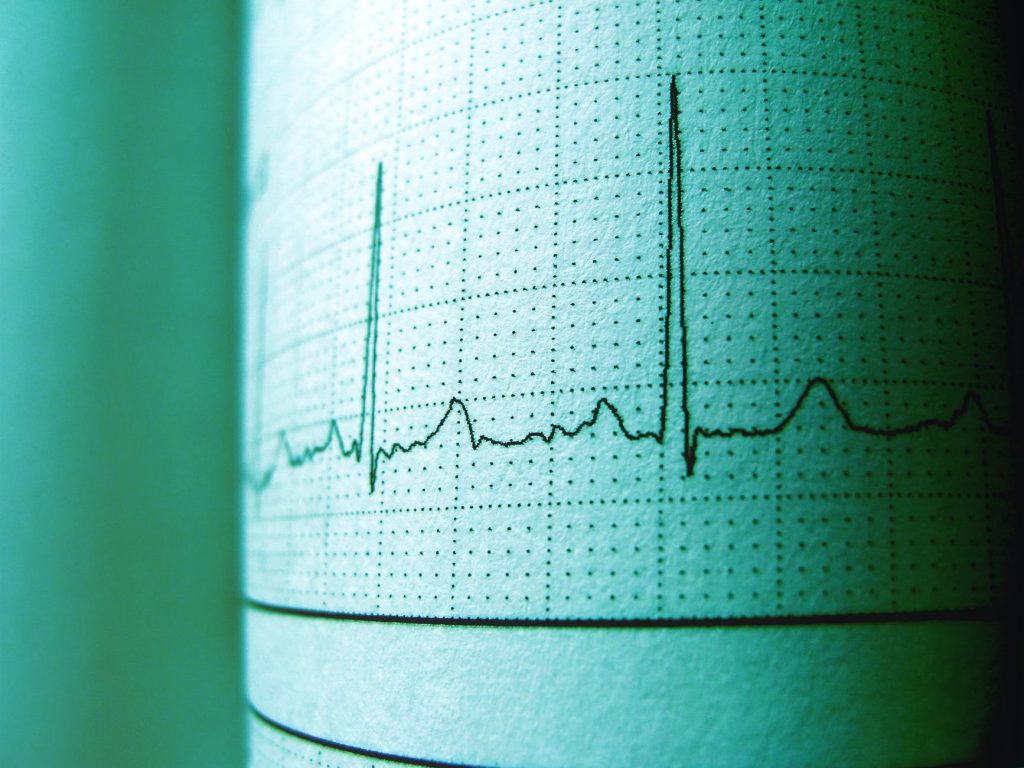
Scientists show how AI may spot unseen signs of heart failure

A special artificial intelligence (AI)-based computer algorithm created by Mount Sinai researchers was able to learn how to identify subtle changes in electrocardiograms (also known as ECGs or EKGs) to predict whether a patient was experiencing heart failure.

This article is a repost which originally appeared on Medical Xpress
The Mount Sinai Hospital - October 19, 2021 
Edited for content and readability Images sourced from Pexels 
DOI: https://www.jacc.org/doi/10.1016/j.jcmg.2021.08.004

“We showed that deep-learning algorithms can recognize blood pumping problems on both sides of the heart from ECG waveform data,” said Benjamin S. Glicksberg, Ph.D., Assistant Professor of Genetics and Genomic Sciences, a member of the Hasso Plattner Institute for Digital Health at Mount Sinai, and a senior author of the study published in the Journal of the American College of Cardiology: Cardiovascular Imaging. “Ordinarily, diagnosing these type of heart conditions requires expensive and time-consuming procedures. We hope that this algorithm will enable quicker diagnosis of heart failure.”

The study was led by Akhil Vaid, MD, a postdoctoral scholar who works in both the Glicksberg lab and one led by Girish N. Nadkarni, MD, MPH, CPH, Associate Professor of Medicine at the Icahn School of Medicine at Mount Sinai, Chief of the Division of Data-Driven and Digital Medicine (D3M), and a senior author of the study.

Affecting about 6.2 million Americans, heart failure, or congestive heart failure, occurs when the heart pumps less blood than the body normally needs. For years doctors have relied heavily on an imaging technique called an echocardiogram to assess whether a patient may be experiencing heart failure. While helpful, echocardiograms can be labor-intensive procedures that are only offered at select hospitals.

However, recent breakthroughs in artificial intelligence suggest that electrocardiograms—a widely used electrical recording device—could be a fast and readily available alternative in these cases. For instance, many studies have shown how a “deep-learning” algorithm can detect weakness in the heart’s left ventricle, which pushes freshly oxygenated blood out to the rest of the body. In this study, the researchers described the development of an algorithm that not only assessed the strength of the left ventricle but also the right ventricle, which takes deoxygenated blood streaming in from the body and pumps it to the lungs.

“Although appealing, traditionally it has been challenging for physicians to use ECGs to diagnose heart failure. This is partly because there is no established diagnostic criteria for these assessments and because some changes in ECG readouts are simply too subtle for the human eye to detect,” said Dr. Nadkarni. “This study represents an exciting step forward in finding information hidden within the ECG data which can lead to better screening and treatment paradigms using a relatively simple and widely available test.”

Typically, an electrocardiogram involves a two-step process. Wire leads are taped to different parts of a patient’s chest and within minutes a specially designed, portable machine prints out a series of squiggly lines, or waveforms, representing the heart’s electrical activity. These machines can be found in most hospitals and ambulances throughout the United States and require minimal training to operate.

For this study, the researchers programmed a computer to read patient electrocardiograms along with data extracted from written reports summarizing the results of corresponding echocardiograms taken from the same patients. In this situation, the written reports acted as a standard set of data for the computer to compare with the electrocardiogram data and learn how to spot weaker hearts.

Natural language processing programs helped the computer extract data from the written reports. Meanwhile, special neural networks capable of discovering patterns in images were incorporated to help the algorithm learn to recognize pumping strengths.

“We wanted to push the state of the art by developing AI capable of understanding the entire heart easily and inexpensively,” said Dr. Vaid.

The computer then read more than 700,000 electrocardiograms and echocardiogram reports obtained from 150,000 Mount Sinai Health System patients from 2003 to 2020. Data from four hospitals was used to train the computer, whereas data from a fifth one was used to test how the algorithm would perform in a different experimental setting.

“A potential advantage of this study is that it involved one of the largest collections of ECGs from one of the most diverse patient populations in the world,” said Dr. Nadkarni.

Initial results suggested that the algorithm was effective at predicting which patients would have either healthy or very weak left ventricles. Here strength was defined by left ventricle ejection fraction, an estimate of how much fluid the ventricle pumps out with each beat as observed on echocardiograms. Healthy hearts have an ejection fraction of 50 percent or greater while weak hearts have ones that are equal to or below 40 percent.

The algorithm was 94 percent accurate at predicting which patients had a healthy ejection fraction and 87 percent accurate at predicting those who had an ejection fraction that was below 40 percent.

However the algorithm was not as effective at predicting which patients would have slightly weakened hearts. In this case, the program was 73 percent accurate at predicting the patients who had an ejection fraction that was between 40 and 50 percent.

Further results suggested that the algorithm also learned to detect right valve weaknesses from the electrocardiograms. In this case, weakness was defined by more descriptive terms extracted from the echocardiogram reports. Here the algorithm was 84 percent accurate at predicting which patients had weak right valves.

“Our results suggested that this algorithm may eventually help doctors correctly diagnose failure on either side of the heart,” Dr. Vaid said.

Finally, additional analysis suggested that the algorithm may be effective at detecting heart weakness in all patients, regardless of race and gender.

“Our results suggest that this algorithm could be a useful tool for helping clinical practitioners combat heart failure suffered by a variety of patients,” added Dr. Glicksberg. “We are in the process of carefully designing prospective trials to test out its effectiveness in a more real-world setting.”

Sexercise: What is it? Benefits, exercises to try, and more

The benefits of sexercise and how to practice it

Medically reviewed by Janet Brito, Ph.D., LCSW, CST — Written by Zawn Villines on December 13, 2020

This article is a repost which originally appeared on MEDICALNEWSTODAY

Edited for content

Sexercise is exercise to improve sexual performance and function, which may make sex more satisfying for a person and their partner or partners.

Celebrity trainer Jason Rosell coined the term sexercise, using it for a specific set of practices to improve a person’s sexual experience.

Physical fitness can affect sexuality by making sex easier and more comfortable, reducing the risk of erectile dysfunction (ED) and arousal issues, and helping people feel more confident in their bodies.

Exercise may also reduce the risk of chronic illnesses, such as diabetes, that can cause sexual issues.

A person may use the term sexercise to refer to a wide range of activities, while any exercise specifically to improve sex counts as sexercise.

Benefits of sexual activity for health

Healthful, consensual sexual activity of all varieties can improve health.

Some benefits of sex include:

  • Better heart health: Sex involves exercise, which can improve heart health by lowering blood pressure and decreasing the risk of heart disease. A 2020 study found that, following a heart attack, people who had sex more than once per week had a 27% reduction in their risk of dying.
  • A healthier immune system: Regular sex may boost immunity, reducing a person’s risk of acquiring infections and certain illnesses.
  • Better emotional health: Sex – and the exercise that sex involves – may reduce the risk of depression and anxiety.
  • Better self-esteem: People who have satisfying sex may feel good about themselves.
  • Healthy relationships: A strong, healthy sexual connection with a partner may improve the relationship.
  • Better sleep: Sex may help some people fall asleep faster.
  • Stress management: Sex can be a suitable self-care tool that helps relieve stress.

It is important to note that sex in itself does not necessarily improve health.

Non-consensual, painful, or unpleasant sex may cause severe emotional distress, physical injuries, and other health issues.

Benefits of fitness for sexual performance

Exercise can improve sexual performance in many ways:

  • Reducing ED: In people with penises, regular exercise – especially aerobic exercise such as running or walking – may reduce ED. A 2017 meta-analysis found moderate to high-intensity aerobic exercise provided optimal benefits.
  • Counteracting side effects of certain antidepressants on the libido: A 2013 study of females taking antidepressants found that exercising right before sex improved both arousal and global sexual function.
  • Exercise may reduce the risk of chronic medical conditions: These conditions can interfere with sexual performance. For example, diabetes has links with ED, arousal disorders, and some other sexual issues.
  • Improving sexual function: Certain exercises may strengthen the pelvic floor muscles, which a person uses during sex. Kegel exercises can help a person orgasm more easily and help with urine leakage and incontinence.
  • Increasing endurance and strength: This may make certain positions and types of sex easier. More endurance may help a person be less tired during prolonged sex sessions.

Exercises to improve sexual performance

Three categories of exercise can help improve sexual performance:

Aerobic exercise

Aerobic exercise increases the heart rate. It can help a person maintain a moderate weight, improve blood pressure, boost overall physical fitness, and may help with ED and general sexual performance. Some exercises to try include:

  • Swimming: Offers an intense but low-impact workout for people with joint or muscle pain.
  • Walking: An ideal starting exercise for people who struggle with more intense workouts.
  • Intense aerobic exercise: Includes running or jogging, jumping rope, skiing, and using a stair-climber machine.

Pelvic floor exercises

Pelvic floor exercises strengthen the pelvic floor – a group of muscles that support the bladder. These muscles also contract during an orgasm. Try the following to work them:

  • Performing Kegels:
    • Locate the right muscles when urinating.
    • Stop passing urine mid-flow for a few seconds, then start again.
    • Repeat a few times daily.
    • Next, try tensing and releasing the same muscles used to stop urinating several times per day.
    • Work up to tensing the muscles for longer: 5 seconds, 10 seconds, 30 seconds, or longer.
  • Exercising the multifidus of the pelvic floor:
    • Lie on the stomach, face down, with the forehead in the hands.
    • Lift the pelvis slightly back to point the tailbone toward the ceiling.
    • Hold for 5–10 seconds, working up to three sets of 10 repetitions.
  • Performing squats: Squats help strengthen the body, and in high repetitions, they can provide an intense cardio workout. They also help strengthen the abs and pelvic floor. Not everyone can do a squat at first. Try squatting down as much as possible without bending the back or taking the heels off the floor, then build up to deeper squats.

Strength and flexibility training

Improving general strength and flexibility may make certain sexual positions easier and more comfortable. Some options include:

  • Yoga and pilates: Both focus activities on improving flexibility and functional movement. People can even adapt some yoga positions into sex positions.
  • Lifting weights: Try lifting weights to improve the strength of various muscles and muscle groups. For example, a person who wants to lift their partner might try bench presses and other exercises that strengthen the upper body.
  • Bodyweight exercises: A person does not need weights to strengthen their muscles. Bodyweight exercises, such as leg raises, knee tucks, and squats strengthen the core, lower body, and pelvic floor. Pushups, pullups, and dips target the upper body, potentially making certain positions easier.

Sex positions that couples can use as exercise

Every sex position may present an opportunity for exercise if it meets one of two conditions:

  • The speed and intensity of the sexual activity are intense enough to elevate the heart rate.
  • The activity is physically challenging. For example, it requires stretching or involves a person lifting additional weight.

Some examples of specific positions that might help sexual partners get a workout include:

  • Positions that require a partner to fully or partially lift another: For example, a person who wraps their legs around a partner while the partner holds them in a standing position requires both partners to bear extra weight.
  • Positions that increase physical intensity and encourage partners to move more: For example, if a person is up against the wall with their legs wrapped around their partner, and the other partner is holding them, the couple is both supporting weights. They may also have to move more to increase stimulation and adjust the position.
  • Positions that encourage gentle stretching: It is important not to force the body into an uncomfortable position. However, extending the legs over a partner’s shoulders or getting into yoga-like positions may increase the challenge of sexual activity.

Summary

Exercise is great for overall health, including sexual health.

For most people, exercise is a safe way to improve well-being and sexual performance.

However, those who do not exercise should talk with a doctor before beginning a new fitness routine.

Medical News Today has strict sourcing guidelines and draws only from peer-reviewed studies, academic research institutions, and medical journals and associations. We avoid using tertiary references. We link primary sources — including studies, scientific references, and statistics — within each article and also list them in the resources section at the bottom of our articles. You can learn more about how we ensure our content is accurate and current by reading our editorial policy.