Unhealthy habits that affect men’s sexual health; ways to bid them goodbye

Men’s fertility health is as important as women’s reproductive health. Apart from contributing towards a healthy pregnancy, it also keeps men’s overall health fine and free of diseases. Read on to know what unhealthy hay habits which lead to sexual disorders in men and how you can treat them.

Authored by: Ashima Sharda Mahindra

Updated Dec 11, 2022 | 01:32 PM IST

This article is a repost which originally appeared on TIMES NOW.

Edited for content. The opinions expressed in this article may not reflect the opinions of this site’s editors, staff or members.

Key Points

‧ There are many things one can do to improve sexual performance.

‧ A leaner body composition will usually result in better performance.

‧ Engaging in better habits- like more foreplay; and decreasing negative habits- like alcohol consumption- will improve potency.

New Delhi: Many times, sexual disorders in men are equated with their masculinity. Time and again the myth has been debunked by doctors since the stigma does not let men openly talk about and seek help regarding sexual issues they face.

Across the world, men suffer from various sexual and fertility disorders that make them prone to stress, depression, and other mental as well as physical health issues, including infections, kidney failures, and even fatal diseases like cancers.

What are male sexual disorders?

According to Cleveland Clinic, sexual dysfunctions can affect men of all ages but is especially common in older men. The most common problems related to sexual dysfunction include

Ejaculation disorders
Erectile dysfunction
Inhibited sexual desire

These issues can often be corrected by treating the underlying causes. According to statistics, infertility affects about one in every 6-to 7 couples and is treatable only in a few cases but only up to a few extents.

Unhealthy habits that affect men’s sexual health

Here is a list of a few unhealthy habits that affect sexual health in men:

Eating too much salt: According to WebMD, amounts of salty foods are likely to increase blood pressure levels, leading to lower libido. Health experts call for steering clear and away from pre-packaged and processed foods which are high in sodium levels, preservatives, and unsaturated fats.
Stress: Stress is one of the biggest underlying factors which cause most health issues. Constant strain and high levels of anxiety wear you out and decrease sexual desires. Try working towards decreasing stress levels, which are also detrimental to overall health.
You do not indulge in foreplay: According to sexual health experts, it is very important to indulge in foreplay before sex to enjoy and make it last. However, due to various reasons, men do not include more types of stimulation beforehand.
Alcohol dependence: Increased dependence on alcohol and addiction might be a good thing for a short while as they can help you relax but binging on booze can cause you to crash and burn in the bedroom. Doctors say that men struggle with sexual performance issues when they are drunk.
  Obesity and being overweight: Obesity and weight issues are one of the main reasons for bad performance in bed. Studies have said that men who are obese are more likely to have erectile dysfunction than those who are not.
  Smoking: Smoking, like a lot of other health issues, harms your sexual health as well. Chemicals in tobacco can mess with blood flow, which can cause sexual problems, especially for men.

Ways to boost sexual health

Try some of the following methods to reduce erectile dysfunction, increase stamina, and improve the overall quality of sex:

Manage your stress and anxiety

Since both anxiety and stress can make it hard to get or maintain an erection and distract people from sexual intimacy, you need to formulate some strategies to manage them. A few of them include:

Focusing physical sensations
Regular workouts
Regulating sleep patterns
Working on emotional aspects of your relationship
Seeking therapy

Communicate and address relationship issues

Sexual health is deeply linked with mental health, as emotional bonds can improve sexual experiences. Resolving the situation together with your partner can make you feel less isolated and address any concerns or guilt.

Exercise regularly

Studies have shown that being physically active can drastically reduce a lot of health problems, including sexual ones. Conditions like high blood pressure, heart disease, and diabetes damage nerves and change the amount of blood that flows to the penis. This can make it more difficult to get or maintain erections. Exercise would help proper blood circulation across the body. Also, exercising improves mental health and reduces anxiety.

According to Medical News Today, men can also benefit from exercising the muscles involved in arousal and ejaculation. The following exercise may help:

  While urinating, stop the flow of urine. Repeat several times and learn to identify the muscles involved.
  When not urinating, try to contract these muscles for 10 seconds. Relax them for 10 seconds, then contract them for another 10 seconds.

Practice meditation

Health experts suggest that the practice of mindful meditation greatly improves sexual functions, and helps you manage stress, depression, and other mental health issues as well.

Disclaimer: Tips and suggestions mentioned in the article are for general information purposes only and should not be construed as professional medical advice. Always consult your doctor or a dietician before starting any fitness programme or making any changes to your diet.


Sexual Stamina: 10 Tips to Last Longer

Kristopher Bunting, MD

Updated on October 17, 2022

This article is a repost which originally appeared on healthnews.

Edited for content. The opinions expressed in this article may not reflect the opinions of this site’s editors, staff or members.

Whether you have problems with premature ejaculation or you simply want sex to last longer, there are many ways to last longer in bed. Making sex last longer can involve maintaining an erection for longer, delaying ejaculation, and reducing the time to achieve another erection after ejaculating. There are a variety of ways to improve your sexual stamina and make sex more satisfying for both you and your partner.

Key takeaways:

‧ There are many ways to improve male sexual stamina, including medications and sexual techniques. Increased foreplay and emotional intimacy may also improve sexual performance.

‧ Medications for erectile dysfunction and premature ejaculation can improve stamina and sexual performance.

‧ Controlling sexual stimulation by using numbing sprays or gels, certain sexual positions, and other techniques can help men control when they orgasm.

How long should sex last?

Ideally, sex should last for as long as you want it to. Many people think of sex as penetration, but it can (and should) involve much more. Research shows that the average time until ejaculation during penetrative sex is between 5 and 6 minutes. For most people, achieving orgasm is the goal of sex. While 5 minutes of penetration (or less) will get many men where they want to get to, it takes longer for women to climax from penetration alone. So, how can you make sex last longer?

Foreplay

There is more to sex than just penetration and orgasm. Foreplay is important for mutual arousal; it gives you and your partner time to stimulate yourselves and each other. Take time to use all of your senses to get excited and prepare for the main event.

Kegel exercises

Kegel exercises can help both men and women strengthen pelvic floor muscles, improving continence and sexual function. A strong pelvic floor can help you control when you ejaculate.

Work on your relationship

Sex is both physical and mental. Both the body and the mind need to be stimulated and aroused to enjoy sex. Emotional intimacy plays a role in sexual arousal, especially in long-term relationships. Research has shown that emotional intimacy is linked to sexual desire. Furthermore, good communication in a relationship is linked to improved sexual satisfaction and decreased sexual dysfunction. Communicating sexual needs with your partner can improve sex and may help you last longer.

Medication

Medications used to treat erectile dysfunction (ED) and premature ejaculation (PE) can also improve sexual stamina. Commonly used antidepressants such as Prozac (fluoxetine), Paxil (paroxetine), Celexa (citalopram), and other drugs that raise serotonin levels in the brain can help delay ejaculation. While this can be an unwanted side effect for some, it can help people with PE have more control over when they orgasm.

ED medications can help some men recover more quickly after ejaculating and may improve sexual performance in men without erectile dysfunction. Viagra (sildenafil), Cialis (tadalafil), and other erectile dysfunction medications improve blood flow to the penis. This allows men with mild to moderate ED to have firmer, longer-lasting erections. Remember, these are prescription medications; you should not take them without first being evaluated by a doctor. They can have extremely dangerous interactions with other medications, including nitrates taken for chest pain or amyl nitrate and amyl nitrite (poppers) taken recreationally.

Reduce stimulation

Topical anesthetics are used to treat PE and can help men delay orgasms. A variety of topical numbing creams, sprays, and personal lubricants are available that reduce stimulation of the penis, including condoms with numbing lubricant. However, these can cause skin irritation and discomfort in some people, so check with your partner before using a topical anesthetic.

Other ways to reduce penile stimulation and delay orgasm include wearing a condom and using more lubrication. Wearing a condom not only helps prevent sexually transmitted diseases and unwanted pregnancy, but it can also decrease stimulation of the penis, especially thicker condoms. Using lubrication during sex can reduce friction and stimulation.

Techniques to delay orgasm

There are a variety of techniques that can be employed to help delay orgasm and ejaculation. Techniques recommended for people with PE include the squeeze technique (gently squeezing the head of the penis for several seconds) and the start and stop technique (stop penile stimulation for 30 seconds). Other techniques include pausing and taking a deep breath or shifting your focus away from sexual sensations during sex. In other words, slow down and take a moment to rest before you reach orgasm.

Masturbating before sex can help delay ejaculation, but timing is important. Practicing edging, bringing yourself to the brink of orgasm while masturbating, can help you learn how to recognize when you are about to orgasm and allow you to practice techniques to delay orgasm.

Try something different

There are many Tantric and Taoist sexual practices that can help control ejaculation and improve sexual pleasure for men and their partners. The “sets of nines” technique is an easy way to control mutual stimulation. It involves performing 9 sets of 9 controlled thrusts, beginning with 9 shallow thrusts, followed by 8 shallow thrusts and 1 deep thrust, then 7 shallow thrusts and 2 deep thrusts, and so on, ending with 9 deep thrusts. It is a simple technique, but it is very effective for controlling ejaculation and building up sexual excitement.

Certain sexual positions can help control ejaculation, especially positions that allow for grinding, as opposed to thrusting. Partner on top positions, the lotus position, and the Coital Alignment Technique can maintain constant stimulation for your partner while limiting stimulation to the penis from thrusting. Explore the Kama Sutra and other books for tips on which positions can help you control when you orgasm.

Get healthy

Overall health affects sexual function; eating a proper diet and getting enough exercise can improve your sexual health. Obesity, type 2 diabetes, high blood pressure, heart disease—all of these conditions can affect sexual function and they can all be improved or prevented through diet and exercise.

You can improve your sexual stamina

There are many ways for men to improve their sexual stamina. Foreplay, communication, and emotional intimacy can improve sex. Medications, condoms, and lubricants can delay orgasm and reduce stimulation. A variety of techniques can help men control when they orgasm, including techniques used for premature ejaculation and certain sexual positions. Give some of these a try and find out what works best for you.

Resources:

1. Urology Care Foundation. Premature Ejaculation.

2. The Journal of Sexual Medicine. Original Research—Ejaculation Disorders: A Multinational Population Survey of Intravaginal Ejaculation Latency Time.

3. International Society for Sexual Medicine. Women’s Orgasm Takes Longer During Partnered Sex.

4. Mayo Clinic. Kegel Exercises for Men: Understand the Benefits.

5. Journal of Social and Personal Relationships. The Associations of Intimacy and Sexuality in Daily Life.

6. The Journal of Sex Research. Couples’ Sexual Communication and Dimensions of Sexual Function: A Meta-Analysis.

7. Cleveland Clinic. Premature Ejaculation.

8. International Journal of Impotence Research. Sildenafil Does Not Improve Sexual Function in Men Without Erectile Dysfunction but Does Reduce the Postorgasmic Refractory Time.

9. Nature Reviews Urology. Sildenafil Improves Sexual Function in Men Without Erectile Dysfunction.

10. Mayo Clinic. Erectile Dysfunction: Viagra and Other Oral Medications.

11. Circulation. Drug Interactions With Phosphodiesterase-5 Inhibitors Used for the Treatment of Erectile Dysfunction or Pulmonary Hypertension.

12. Journal of Sex & Marital Therapy. The Coital Alignment Technique (CAT): An Overview of Studies.


Premature Ejaculation

Premature Ejaculation

What Is It?

Published: February, 2020

This article is a repost which originally appeared on Harvard Health

Edited for content

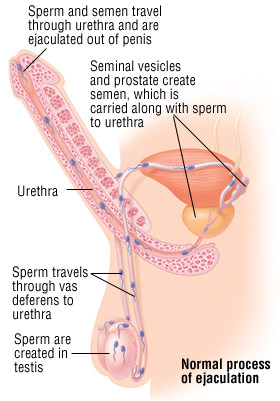
Premature ejaculation occurs when a man reaches orgasm and ejaculates too quickly and without control. In other words, ejaculation occurs before a man wants it to happen. It may occur before or after beginning foreplay or intercourse. Some men experience a lot of personal distress because of this condition.

As many as one in five men experience difficulty with uncontrolled or early ejaculation at some point in life. When premature ejaculation happens so frequently that it interferes with the sexual pleasure of a man or his partner, it becomes a medical problem.

Several factors may contribute to premature ejaculation. Psychological problems such as stress, depression and other factors that affect mental and emotional health can aggravate this condition. However, there is growing evidence that biological factors can make some men more prone to experience premature ejaculation.

Rarely, premature ejaculation can be caused by a specific physical problem, such as inflammation of the prostate gland or a spinal cord problem.

Symptoms

The key symptoms of premature ejaculation include:

  • Ejaculation that routinely occurs with little sexual stimulation and with little control
  • Decreased sexual pleasure because of poor control over ejaculation
  • Feelings of guilt, embarrassment or frustration

Diagnosis

Premature ejaculation is diagnosed based on typical symptoms. To understand your problem, your doctor will need to discuss your sexual history with you. Be frank and open. The more your doctor knows, the better he or she can help you.

If your sexual history fails to reveal significant mental or emotional factors that may contribute to premature ejaculation, your doctor may want to examine you. Your doctor may examine your prostate or do neurological tests (tests of your nervous system) to determine if there is a physical problem that could be causing premature ejaculation.

Expected Duration

Sometimes, premature ejaculation goes away on its own over weeks or months. Working to relieve stress or other psychological issues may help the situation to improve.

Other men have lasting difficulties with premature ejaculation, and require professional help. Some men respond to treatment promptly, while others struggle with this problem over a prolonged period. Effective treatment is available.

Prevention

There is no known way to prevent premature ejaculation. However, you should consider the following advice:

  • Maintain a healthy attitude toward sex. If you experience feelings of anxiety, guilt or frustration about your sex life, consider seeking psychotherapy or sexual therapy.
  • Keep in mind that anyone can experience sexual problems. If you experience premature ejaculation, try not to blame yourself or feel inadequate. Try speaking openly with your partner to avoid miscommunication.

Treatment

Behavioral therapy is one possible approach for treating premature ejaculation. Most commonly, the “squeeze technique” is used. If a man senses that he is about to experience premature orgasm, he interrupts sexual relations. Then the man or his partner squeezes the shaft of his penis between a thumb and two fingers. The man or his partner applies light pressure just below the head of the penis for about 20 seconds, lets go, and then sexual relations can be resumed. The technique can be repeated as often as necessary. When this technique is successful, it enables the man to learn to delay ejaculation with the squeeze, and eventually, to gain control over ejaculation without the squeeze. Behavioral therapy helps 60% to 90% of men with premature ejaculation. However, it requires the cooperation of both partners. Also, premature ejaculation often returns, and additional behavioral therapy may be needed.

Another possible treatment is prescription medication that helps to delay ejaculation. Delayed orgasm is a common side effect of certain drugs, particularly those used to treat depression. This is true even for men who are not depressed. When this type of medication is given to men who experience premature ejaculation, it can help to postpone orgasm for up to several minutes. Drugs used for this type of treatment include selective serotonin reuptake inhibitors (SSRIs), such as fluoxetine (Prozac), paroxetine (Paxil) or sertraline (Zoloft); and tricyclic antidepressants, such as clomipramine (Anafranil).

Some men with premature ejaculation may benefit from drugs called phosphodiesterase inhibitors, such as sildenafil (Viagra), vardenafil (Levitra), and tadalafil (Cialis). A phosphodiesterase inhibitor can be used alone or in combination with an SSRI. One drug should be started at a time, preferably at a low dose.

Some men with premature ejaculation also benefit from reducing the stimulation they experience during sex. A number of creams are available that can partially anesthetize (numb) the penis and reduce the stimulation that leads to orgasm. Another option is to use one or more condoms. However, these techniques may interfere with the pleasure experienced during sex.

When To Call a Professional

Speak with your doctor if you consistently ejaculate before you want to. Remember, one instance of premature ejaculation does not mean that you have a condition that requires treatment. Your doctor may refer you to a sex therapist if premature ejaculation is causing major problems in your sex life or personal relationships or if you would like to consider behavioral therapy.

Prognosis

Many men experience a brief period of premature ejaculation, then improve on their own. Even for men who require medical treatment, the outlook is usually good.

5 Foreplay Tips – Rock the Bedroom with Better Sex

5 Foreplay Tips – Rock the Bedroom with Better Sex

We’ve partnered with TotalMan and will be presenting regular video features from this comprehensive site!

In this video, TotalMan offers foreplay tips.

WARNING: THIS VIDEO WILL CONTAIN UNCENSORED FOOTAGE FOR INFORMATIONAL AND GUIDANCE PURPOSES ONLY. IT WILL NOT BE SUITABLE FOR THOSE UNDER THE AGE OF 18 YEARS.

_________________________ FULL DISCLAIMER __________________________

All information provided in this video is subjective in nature, is intended for informational purposes only and should not be relied on other than as general information.
The information in this video is provided on an “as is” basis and your use of the information is entirely at your own risk. Specifically, the information is NOT to be relied on as medical or professional advice or for treatment, diagnosis or physical modification.
Where this video refers to products, such products are only discussed from the personal experience of the author and might not be suitable for your needs. Total man makes no representations that such products will facilitate any physiological modification or improve any health conditions.
You should seek professional advice of a doctor or other qualified health practitioner before relying on the information or if you have any questions about your health, or your physical or medical condition. If you decide to purchase any product after watching this video, you acknowledge and agree that you have not relied on the skill or judgment of Total Man and that you have satisfied yourself as to the condition and suitability of any product you buy and its fitness for your purpose prior to purchasing it.
Our liability is limited to the maximum extent permitted by applicable law in accordance with our website terms and conditions: https://totalman.mykajabi.com/pages/terms

 
Visit TOTALMAN SHOP for ALL of YOUR Male Enhancement needs!

Premature Ejaculation, What Is It?

Premature Ejaculation

What Is It?

Published: February, 2020

This article is a repost which originally appeared on Harvard Health

Premature ejaculation occurs when a man reaches orgasm and ejaculates too quickly and without control. In other words, ejaculation occurs before a man wants it to happen. It may occur before or after beginning foreplay or intercourse. Some men experience a lot of personal distress because of this condition.

As many as one in five men experience difficulty with uncontrolled or early ejaculation at some point in life. When premature ejaculation happens so frequently that it interferes with the sexual pleasure of a man or his partner, it becomes a medical problem.

Several factors may contribute to premature ejaculation. Psychological problems such as stress, depression and other factors that affect mental and emotional health can aggravate this condition. However, there is growing evidence that biological factors can make some men more prone to experience premature ejaculation.

Rarely, premature ejaculation can be caused by a specific physical problem, such as inflammation of the prostate gland or a spinal cord problem.

Symptoms

The key symptoms of premature ejaculation include:

  • Ejaculation that routinely occurs with little sexual stimulation and with little control
  • Decreased sexual pleasure because of poor control over ejaculation
  • Feelings of guilt, embarrassment or frustration

Diagnosis

Premature ejaculation is diagnosed based on typical symptoms. To understand your problem, your doctor will need to discuss your sexual history with you. Be frank and open. The more your doctor knows, the better he or she can help you.

If your sexual history fails to reveal significant mental or emotional factors that may contribute to premature ejaculation, your doctor may want to examine you. Your doctor may examine your prostate or do neurological tests (tests of your nervous system) to determine if there is a physical problem that could be causing premature ejaculation.

Expected Duration

Sometimes, premature ejaculation goes away on its own over weeks or months. Working to relieve stress or other psychological issues may help the situation to improve.

Other men have lasting difficulties with premature ejaculation, and require professional help. Some men respond to treatment promptly, while others struggle with this problem over a prolonged period. Effective treatment is available.

Prevention

There is no known way to prevent premature ejaculation. However, you should consider the following advice:

  • Maintain a healthy attitude toward sex. If you experience feelings of anxiety, guilt or frustration about your sex life, consider seeking psychotherapy or sexual therapy.
  • Keep in mind that anyone can experience sexual problems. If you experience premature ejaculation, try not to blame yourself or feel inadequate. Try speaking openly with your partner to avoid miscommunication.

Treatment

Behavioral therapy is one possible approach for treating premature ejaculation. Most commonly, the “squeeze technique” is used. If a man senses that he is about to experience premature orgasm, he interrupts sexual relations. Then the man or his partner squeezes the shaft of his penis between a thumb and two fingers. The man or his partner applies light pressure just below the head of the penis for about 20 seconds, lets go, and then sexual relations can be resumed. The technique can be repeated as often as necessary. When this technique is successful, it enables the man to learn to delay ejaculation with the squeeze, and eventually, to gain control over ejaculation without the squeeze. Behavioral therapy helps 60% to 90% of men with premature ejaculation. However, it requires the cooperation of both partners. Also, premature ejaculation often returns, and additional behavioral therapy may be needed.

Another possible treatment is prescription medication that helps to delay ejaculation. Delayed orgasm is a common side effect of certain drugs, particularly those used to treat depression. This is true even for men who are not depressed. When this type of medication is given to men who experience premature ejaculation, it can help to postpone orgasm for up to several minutes. Drugs used for this type of treatment include selective serotonin reuptake inhibitors (SSRIs), such as fluoxetine (Prozac), paroxetine (Paxil) or sertraline (Zoloft); and tricyclic antidepressants, such as clomipramine (Anafranil).

Some men with premature ejaculation may benefit from drugs called phosphodiesterase inhibitors, such as sildenafil (Viagra), vardenafil (Levitra), and tadalafil (Cialis). A phosphodiesterase inhibitor can be used alone or in combination with an SSRI. One drug should be started at a time, preferably at a low dose.

Some men with premature ejaculation also benefit from reducing the stimulation they experience during sex. A number of creams are available that can partially anesthetize (numb) the penis and reduce the stimulation that leads to orgasm. Another option is to use one or more condoms. However, these techniques may interfere with the pleasure experienced during sex.

When To Call a Professional

Speak with your doctor if you consistently ejaculate before you want to. Remember, one instance of premature ejaculation does not mean that you have a condition that requires treatment. Your doctor may refer you to a sex therapist if premature ejaculation is causing major problems in your sex life or personal relationships or if you would like to consider behavioral therapy.

Prognosis

Many men experience a brief period of premature ejaculation, then improve on their own. Even for men who require medical treatment, the outlook is usually good.

Additional Info

American Society for Reproductive Medicine
https://www.reproductivefacts.org/

Last longer in the bedroom | 5 Super Effective methods!

Last longer in the bedroom | 5 Super Effective methods!

We’ve partnered with TotalMan and will be presenting regular video features from this comprehensive site!

In this video, TotalMan discusses 5 methods for lasting longer in the bedroom!

So you finally make it to the bedroom or where ever you can’t keep your hands off each other, sparks are flying…only for a finale that took a couple of minutes. Hmm. Now either one of you or both of you are disappointed. Either way, the situation isn’t as good as it should be.

So you want to increase your sexual stamina however maybe you’ve tried many things already and possibly even things I’ve mentioned. Maybe you’re tried edging or the stop start method however you haven’t had time to practice or maybe it felt a little alien at first or possibly even delay sprays or creams however maybe they make you too reliant.

Well in this video I’d like to give you some proven and effective methods to increasing your sexual stamina and the best part about these methods are they’re not only going to make you last longer in the bedroom, they’re also going to make you a better lover, a better and even better your health a well.

Enjoy!


Visit TOTALMAN SHOP for ALL of YOUR Male Enhancement needs!

Top 5 Sex Positions to Last Longer in the Bedroom

Top 5 Sex Positions to Last Longer in the Bedroom

We’ve partnered with TotalMan and will be presenting regular video features from this comprehensive site!

In this video, TotalMan discusses sexual positions for greater sexual stamina!

Could you imagine if all it took during some love making to increase stamina was a simple change of position, well there is!

In this video, I’d like to give you 5 different sex positions that are going to allow you to last longer but it could even make it feel better for them as well.

Now it only makes sense that in the context of some positions, if it could feel better for you it could also feel better for them.

Which could be a small issue since you want to stimulate them as much you can however you’d like to also last as long as you can without blowing it. Pun intended.

There is going to be a few things to look for while getting the best of both worlds.

1. Extend the foreplay.
2. Positions that don’t go as deep.
3. Positions that don’t have her too tight.
4. Positions that only require a couple of inches.
5. Take it slow.

POSITIONS:
1. Banana split
2. Missionary
3. Guarded doggy style legs apart
4. Cow girl
5. Face off

Enjoy!


Visit TOTALMAN SHOP for ALL of YOUR Male Enhancement needs!

Healthy Sex Tips for Men

Healthy Sex Tips for Men

Medically reviewed by University of Illinois-Chicago, College of Medicine on January 9, 2017 — Written by Pamela Rogers, MS, PhD

This article is a repost which originally appeared on HealthLine

Overview

Sex is a mental and physical pursuit that sometimes feels like it should come with an instruction guide. As with anything else, what one man likes could be quite different from what another likes. It can be a challenge to find the right ingredients to a connected and orgasmic sex life.

As a man, it’s important to engage in activities that will maintain your overall health, which plays into your sexual health. Reducing stress, eating right, exercising, and avoiding bad habits like smoking and drinking alcohol in excess can keep you in prime shape. A healthy lifestyle also gives you sexual confidence, which isn’t a bad side effect. When you have the mental side of your sex game in gear, you can focus on the physical side.

Healthy sex “do’s”

Sex doesn’t have to be like the movies to be great. It’s between you and your partner to find out what turns both you and him on and what connects the two of you. Here are some tips to help you take sex to the next level.

Mastering foreplay

When it comes to foreplay, the key “triggers” for people can seem very different. For example, if you ask your partner if he wants to have sex and he quickly says no, you could be asking the right question with the wrong words or body language.

Foreplay is all about the emotion and wanting. It’s important to show that you don’t just want to have sex, but that you want to have sex with your partner, specifically.

Masturbation: misconceptions and realities

Masturbation releases chemicals in your body that relieve stress and just plain make you feel good. A common misconception some people have is if they’re in a relationship, they shouldn’t masturbate. First, it’s important to talk to your partner about how he feels about masturbation and to be clear on what is and isn’t OK. Some couples even try masturbating in front of each other. Not only can this teach you about your partner’s pleasure zones, but it can also demystify the act for your partner.

Other misconceptions that exist about masturbation include that it weakens an erection or that too much can harm your penis. While it’s possible to injure or chafe the skin from masturbation, there usually isn’t any harm in it. The only key difference here is to ask if masturbation gets in the way of daily activities or living your life. If the answer is yes, there could be a deeper connection between masturbation for you that you should talk to your doctor about.

Healthy sex “don’ts”

During the act

Sometimes the most important don’ts when it comes to sex are the simplest to say and the most difficult to grasp. But biology and time-tested knowledge make most of these actions major don’ts when it comes to sex:

  • Rushing through it or acting like it’s a chore. This is especially true if you’re in the driver’s seat giving your partner oral sex or other stimulation. Sex is about enjoyment and taking time.
  • Expecting gratitude or reciprocation. While a lot of times you can expect to give and receive, demanding it is quite a different thing. You shouldn’t expect applause every time you engage in foreplay (even if you didn’t want to or did an especially great job). Do things in the bedroom because you want to, not because you have to or because you expect a lot of thanks.

Other important don’ts to know

A major don’t for sex is focusing on the end result and not on the journey. Other don’ts to know include:

  • Engaging in rough sex or play without talking to your partner. Safe words that can indicate when you’ve gone too far exist for a reason. Establish one if the line is crossed between pleasure and pain.
  • Letting distractions in. No texting, phone answering, or stopping to check the score of a game.
  • Calling your partner by another name. This one speaks for itself.
  • Staying completely silent. From moans to words of encouragement, letting your partner know you’re into it can go a long way.

Men and erectile dysfunction

Erectile dysfunction (ED) describes a symptom of several common but treatable problems. ED occurs when a man has difficulty achieving or maintaining an erection that can sustain sexual intercourse. It’s a complex condition because there are many contributing factors, including blood flow, nerve function, hormones, and more.

An estimated 50 percent of men in their 50s have mild to moderate ED, according to the University of Wisconsin-Madison. This number goes up by 10 percent for every new decade of life. For instance, an estimated 80 percent of men in their 80s will experience some degree of ED.

If you’re experiencing any degree of ED, you should talk to your primary care doctor or urologist. There are several steps you can take to treat ED, not all of which involve taking medicines.

Lifestyle changes can help treat ED

  • Reduce alcohol intake.
  • Take steps to reduce stress in life. Try exercising, meditating, or doing activities you enjoy.
  • Quit smoking or abusing any illegal drugs or drugs that aren’t prescribed to you.
  • Get enough rest at night.
  • Lose weight if you’re overweight.
  • Seek counseling if your ED is triggered by stress, anxiety, or tension. You may also consider couple’s counseling if your ED is creating strain between you and your partner.

Schedule a regular check-up with your doctor to monitor for any health conditions that could affect erectile dysfunction, such as high blood sugar, high blood pressure, or high cholesterol levels. At this appointment, you can also review the medications you’re taking to identify if there are any that might be affecting your sexual health. While you shouldn’t discontinue any medicines without a doctor’s review, alternate medicines with fewer side effects may be available.

Medical treatments are also available for ED

There are medications available to increase blood flow to the penis. Examples of these include sildenafil (Viagra), avanafil (Stendra), tadalafil (Cialis), and vardenafil (Levitra). Each medicine isn’t without its side effects, so it’s important to review these carefully.

Hormone replacement therapies can treat low testosterone. These treatments can include a topical gel, patches, or injections.

Prescription medications are available that can be injected using a very fine needle into the side or base of your penis. This may be an alternative option if you can’t take ED medications due to a condition such as heart or liver disease.

Use of a vacuum erection device can encourage greater blood flow to your penis.

A device known as a penis pump can be implanted into your penis to allow you to achieve an erection. However, this is usually only recommended after other treatments and lifestyle changes have failed.

The takeaway

Sex is an important part of a man’s life and health, and age doesn’t have to change that. The most important key to a healthy sex life at any decade is communication with your partner. Honest, open communication about what feels good, what doesn’t feel good, and how you make each other feel is the key to better sex. Finding out what those are via communication can lead to one of life’s greatest pleasures.

Female Sexual Anatomy Basics: AKA Where is the Clitoris?

female sexual anatomy

female sexual anatomyLet’s be honest guys, the female sexual anatomy is a weird (and awesome!) mystery. Male sexual anatomy is so much more straight forward (at least externally).  You have the penis and the testicles – maybe some foreskin. Everything’s just out there in front – easy to access – easy to see – usually easy to please.

But, women… we tuck our fun bits underneath. We have weird inner labia and outer labia, and that oh-so-elusive…

CLITORIS!

Even if you’ve had lots of sexual partners, that little nub of pleasure can be as hard to find sometimes as a unicorn in a field of 4-leaf clovers! So, let’s take a look at some basic outer female sexual anatomy, and specifically talk about the clitoris.

Female Sexual Anatomy Overview

Female sexual anatomy usually includes the vulva (the outer “fun parts”) and the reproductive system (the inner “working parts”). The inner working parts, like the ovaries, the Fallopian tubes, and more are all very important to sexual health, but in this post, let’s focus on the vulva.

The Vulva (and NO “Vulva” is not the fancy term for the Vagina)

First, let’s clear up one really common misconception. That whole outer female sex area down there… NOT the vagina. It’s actually called the vulva.

The vagina is the flattened tube that connects the outer world with the cervix, which leads to the uterus. So, when someone is talking about the vagina, they (shouldn’t) don’t mean the whole funland area down there – they (should be) are talking about specifically that tube inside the body.

OK, with that straightened out, let’s look at the parts of the vulva. (the outer sexual anatomy bits). The vulva includes:

    • Labia (Majora – outer lips & Minora – inner lips) –
      • The labia (lips) are the folds of skin that go around the vaginal opening. As the names imply – the inner lips (minora) are the folds closer to the opening inside the outer (majora) lips.
      • Labia are as different and unique as thumbprints. No two are alike. Some are plump and tight and short. Some are long and wrinkly.
      • Just like men typically have one testicle that hangs lower than the other – most women have one labia that hangs lower than the other.
      • Again, just like a man’s penis tissue coloration can vary significantly from man-to-man and can even be significantly different from the skin color on the rest of their body, the labia can be light pink to a dark brown. FUN FACT: The color of many women’s labia changes as they get older!
      • Like the skin of the testicles, the labia can be very sensitive. They typically swell (some women more than others) when sexually stimulated with increased blood flow.
      • Urban slang – fish lips, taco, bearded clam, and SO many more!
        .
    • Urethra Opening –
      • The tiny hole the woman urinates out of. It’s located toward the top of the vulva, right below the clit.
        .
    • .Vaginal Opening – 
      • The vaginal opening is located below the urethra opening. This is the gateway to fun town.
      • The vaginal opening, although an “opening”, is not naturally in an open state, because the vagina itself is a flattened tube to prevent entry of bacteria and unwanted objects.
        .
    • The Anus – 
      • Whether or not your partner considers this part of the female anatomy to be part of her “sexual” anatomy is up to her. Always discuss (and get approval) any anal activity with your partner before trying anything.
      • This opening to the rectum has a lot of very sensitive nerve endings in it. For this reason, many women and men alike get sexual pleasure when this area is stimulated.
        .
    • Mons Pubis – 
      • The mons pubis is the fleshy portion of skin above the vulva. It’s designed to cushion the pubic bone of the woman, so includes a fat pad that expands and contracts with overall bodyweight.
      • Men also have this same fat pad to cushion their pubic bone and, in fact, overweight men can see measurable increase in penis length (both flaccid and erect) simply by losing weight and decreasing this fat pad.
        .
    • Clitoris –
      • The clitoris is protected by a fold of skin, where the inner labia meet, known as the clitoral hood.
      • The tip of the clit is located at the top of the vulva, right where those labia minor come together.
      • Like penises, the tip of clitorises (clitori? – hmm… what is the plural) come in a lot of different sizes. Some are small, even smaller than the size of a pea. Some are rather large – like thumb size. All are beautiful!
      • The clit continues into the body and runs along both sides of the vagina (the canal we talked about earlier).
      • When turned on, the clitoris typically swells with blood – like a little mini penis.
      • FUN FACT: There are more nerve endings per square inch than any other part of the body in the clitoris. AND, it has no other purpose than to feel good! The ultimate hedonistic body part!

How Do You Find the Clitoris? And, Why is it So Elusive?

So, if this little tiny body part is so pleasurable why in the world is it so hard for men to find? You’d think God (or whatever method of creation you believe in) would’ve put a big arrow on this thing. TOUCH HERE! That way men would be able to find it easier and women would want to have sex more often, since 75% of women need clitoral stimulation to orgasm!

Read that again guys… 75% of women need clitoral stimulation to orgasm!

Needless to say – finding and successfully stimulating the clit should be PRIORITY #1 (or at least at the top of your sexual to do list). Check out these drawings below, to start to “see” where you should begin your clitoral treasure hunt.

where is the clitoris

vulva anatomy

Step-By-Step Instructions on Finding the Clit

  1. Have your partner lie down on their back.
  2. Gently separate the labia.
  3. Locate the vagina opening. If the vaginal opening were a 6 on the face of a clock, the clitoris is going to be at 12.
  4. Slowly move your hand up the vulva from the vaginal opening. Follow the inner lips up and where they meet – that’s the clitoral hood.
  5. Gently stimulate the clitoral hood. Circular motions are usually good. Start softly and increase intensity slowly. Tongue, fingers, nose, vibrator – whatever.
  6. If you’re not sure you’re in the right spot, make those circles wide by using the whole pad of your finger, rather than the tip – or the flat of your tongue, rather than the tip.
  7. Once stimulated, the clitoris will typically fill with blood and become more prominent. Some of them get pretty big; other stay small but are engorged. Even if you can’t see it (maybe the lights are off, or you’re not at the right viewing angle), you should be able to feel the clit once your partner is sexually excited.
  8. Back of the pressure and very gently rub your fingertip or tongue around the area until you feel the hard little excited nub and VOILA!
  9. Go get ’em! But, again, start softly and build pressure slowly.

If you’re looking for more information on the female body, be sure to check out the posts below. An educated lover is a better lover! 😀

A Little Bit About Female Anatomy: AKA How Big is the Vagina?

More About the Vagina

Where is the G-Spot?