Sexual Stamina: 10 Tips to Last Longer

Kristopher Bunting, MD

Updated on October 17, 2022

This article is a repost which originally appeared on healthnews.

Edited for content. The opinions expressed in this article may not reflect the opinions of this site’s editors, staff or members.

Whether you have problems with premature ejaculation or you simply want sex to last longer, there are many ways to last longer in bed. Making sex last longer can involve maintaining an erection for longer, delaying ejaculation, and reducing the time to achieve another erection after ejaculating. There are a variety of ways to improve your sexual stamina and make sex more satisfying for both you and your partner.

Key takeaways:

‧ There are many ways to improve male sexual stamina, including medications and sexual techniques. Increased foreplay and emotional intimacy may also improve sexual performance.

‧ Medications for erectile dysfunction and premature ejaculation can improve stamina and sexual performance.

‧ Controlling sexual stimulation by using numbing sprays or gels, certain sexual positions, and other techniques can help men control when they orgasm.

How long should sex last?

Ideally, sex should last for as long as you want it to. Many people think of sex as penetration, but it can (and should) involve much more. Research shows that the average time until ejaculation during penetrative sex is between 5 and 6 minutes. For most people, achieving orgasm is the goal of sex. While 5 minutes of penetration (or less) will get many men where they want to get to, it takes longer for women to climax from penetration alone. So, how can you make sex last longer?

Foreplay

There is more to sex than just penetration and orgasm. Foreplay is important for mutual arousal; it gives you and your partner time to stimulate yourselves and each other. Take time to use all of your senses to get excited and prepare for the main event.

Kegel exercises

Kegel exercises can help both men and women strengthen pelvic floor muscles, improving continence and sexual function. A strong pelvic floor can help you control when you ejaculate.

Work on your relationship

Sex is both physical and mental. Both the body and the mind need to be stimulated and aroused to enjoy sex. Emotional intimacy plays a role in sexual arousal, especially in long-term relationships. Research has shown that emotional intimacy is linked to sexual desire. Furthermore, good communication in a relationship is linked to improved sexual satisfaction and decreased sexual dysfunction. Communicating sexual needs with your partner can improve sex and may help you last longer.

Medication

Medications used to treat erectile dysfunction (ED) and premature ejaculation (PE) can also improve sexual stamina. Commonly used antidepressants such as Prozac (fluoxetine), Paxil (paroxetine), Celexa (citalopram), and other drugs that raise serotonin levels in the brain can help delay ejaculation. While this can be an unwanted side effect for some, it can help people with PE have more control over when they orgasm.

ED medications can help some men recover more quickly after ejaculating and may improve sexual performance in men without erectile dysfunction. Viagra (sildenafil), Cialis (tadalafil), and other erectile dysfunction medications improve blood flow to the penis. This allows men with mild to moderate ED to have firmer, longer-lasting erections. Remember, these are prescription medications; you should not take them without first being evaluated by a doctor. They can have extremely dangerous interactions with other medications, including nitrates taken for chest pain or amyl nitrate and amyl nitrite (poppers) taken recreationally.

Reduce stimulation

Topical anesthetics are used to treat PE and can help men delay orgasms. A variety of topical numbing creams, sprays, and personal lubricants are available that reduce stimulation of the penis, including condoms with numbing lubricant. However, these can cause skin irritation and discomfort in some people, so check with your partner before using a topical anesthetic.

Other ways to reduce penile stimulation and delay orgasm include wearing a condom and using more lubrication. Wearing a condom not only helps prevent sexually transmitted diseases and unwanted pregnancy, but it can also decrease stimulation of the penis, especially thicker condoms. Using lubrication during sex can reduce friction and stimulation.

Techniques to delay orgasm

There are a variety of techniques that can be employed to help delay orgasm and ejaculation. Techniques recommended for people with PE include the squeeze technique (gently squeezing the head of the penis for several seconds) and the start and stop technique (stop penile stimulation for 30 seconds). Other techniques include pausing and taking a deep breath or shifting your focus away from sexual sensations during sex. In other words, slow down and take a moment to rest before you reach orgasm.

Masturbating before sex can help delay ejaculation, but timing is important. Practicing edging, bringing yourself to the brink of orgasm while masturbating, can help you learn how to recognize when you are about to orgasm and allow you to practice techniques to delay orgasm.

Try something different

There are many Tantric and Taoist sexual practices that can help control ejaculation and improve sexual pleasure for men and their partners. The “sets of nines” technique is an easy way to control mutual stimulation. It involves performing 9 sets of 9 controlled thrusts, beginning with 9 shallow thrusts, followed by 8 shallow thrusts and 1 deep thrust, then 7 shallow thrusts and 2 deep thrusts, and so on, ending with 9 deep thrusts. It is a simple technique, but it is very effective for controlling ejaculation and building up sexual excitement.

Certain sexual positions can help control ejaculation, especially positions that allow for grinding, as opposed to thrusting. Partner on top positions, the lotus position, and the Coital Alignment Technique can maintain constant stimulation for your partner while limiting stimulation to the penis from thrusting. Explore the Kama Sutra and other books for tips on which positions can help you control when you orgasm.

Get healthy

Overall health affects sexual function; eating a proper diet and getting enough exercise can improve your sexual health. Obesity, type 2 diabetes, high blood pressure, heart disease—all of these conditions can affect sexual function and they can all be improved or prevented through diet and exercise.

You can improve your sexual stamina

There are many ways for men to improve their sexual stamina. Foreplay, communication, and emotional intimacy can improve sex. Medications, condoms, and lubricants can delay orgasm and reduce stimulation. A variety of techniques can help men control when they orgasm, including techniques used for premature ejaculation and certain sexual positions. Give some of these a try and find out what works best for you.

Resources:

1. Urology Care Foundation. Premature Ejaculation.

2. The Journal of Sexual Medicine. Original Research—Ejaculation Disorders: A Multinational Population Survey of Intravaginal Ejaculation Latency Time.

3. International Society for Sexual Medicine. Women’s Orgasm Takes Longer During Partnered Sex.

4. Mayo Clinic. Kegel Exercises for Men: Understand the Benefits.

5. Journal of Social and Personal Relationships. The Associations of Intimacy and Sexuality in Daily Life.

6. The Journal of Sex Research. Couples’ Sexual Communication and Dimensions of Sexual Function: A Meta-Analysis.

7. Cleveland Clinic. Premature Ejaculation.

8. International Journal of Impotence Research. Sildenafil Does Not Improve Sexual Function in Men Without Erectile Dysfunction but Does Reduce the Postorgasmic Refractory Time.

9. Nature Reviews Urology. Sildenafil Improves Sexual Function in Men Without Erectile Dysfunction.

10. Mayo Clinic. Erectile Dysfunction: Viagra and Other Oral Medications.

11. Circulation. Drug Interactions With Phosphodiesterase-5 Inhibitors Used for the Treatment of Erectile Dysfunction or Pulmonary Hypertension.

12. Journal of Sex & Marital Therapy. The Coital Alignment Technique (CAT): An Overview of Studies.

 

Premature Ejaculation

Premature Ejaculation

What Is It?

Published: February, 2020

This article is a repost which originally appeared on Harvard Health

Edited for content

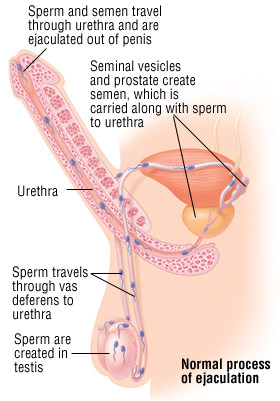
Premature ejaculation occurs when a man reaches orgasm and ejaculates too quickly and without control. In other words, ejaculation occurs before a man wants it to happen. It may occur before or after beginning foreplay or intercourse. Some men experience a lot of personal distress because of this condition.

As many as one in five men experience difficulty with uncontrolled or early ejaculation at some point in life. When premature ejaculation happens so frequently that it interferes with the sexual pleasure of a man or his partner, it becomes a medical problem.

Several factors may contribute to premature ejaculation. Psychological problems such as stress, depression and other factors that affect mental and emotional health can aggravate this condition. However, there is growing evidence that biological factors can make some men more prone to experience premature ejaculation.

Rarely, premature ejaculation can be caused by a specific physical problem, such as inflammation of the prostate gland or a spinal cord problem.

Symptoms

The key symptoms of premature ejaculation include:

  • Ejaculation that routinely occurs with little sexual stimulation and with little control
  • Decreased sexual pleasure because of poor control over ejaculation
  • Feelings of guilt, embarrassment or frustration

Diagnosis

Premature ejaculation is diagnosed based on typical symptoms. To understand your problem, your doctor will need to discuss your sexual history with you. Be frank and open. The more your doctor knows, the better he or she can help you.

If your sexual history fails to reveal significant mental or emotional factors that may contribute to premature ejaculation, your doctor may want to examine you. Your doctor may examine your prostate or do neurological tests (tests of your nervous system) to determine if there is a physical problem that could be causing premature ejaculation.

Expected Duration

Sometimes, premature ejaculation goes away on its own over weeks or months. Working to relieve stress or other psychological issues may help the situation to improve.

Other men have lasting difficulties with premature ejaculation, and require professional help. Some men respond to treatment promptly, while others struggle with this problem over a prolonged period. Effective treatment is available.

Prevention

There is no known way to prevent premature ejaculation. However, you should consider the following advice:

  • Maintain a healthy attitude toward sex. If you experience feelings of anxiety, guilt or frustration about your sex life, consider seeking psychotherapy or sexual therapy.
  • Keep in mind that anyone can experience sexual problems. If you experience premature ejaculation, try not to blame yourself or feel inadequate. Try speaking openly with your partner to avoid miscommunication.

Treatment

Behavioral therapy is one possible approach for treating premature ejaculation. Most commonly, the “squeeze technique” is used. If a man senses that he is about to experience premature orgasm, he interrupts sexual relations. Then the man or his partner squeezes the shaft of his penis between a thumb and two fingers. The man or his partner applies light pressure just below the head of the penis for about 20 seconds, lets go, and then sexual relations can be resumed. The technique can be repeated as often as necessary. When this technique is successful, it enables the man to learn to delay ejaculation with the squeeze, and eventually, to gain control over ejaculation without the squeeze. Behavioral therapy helps 60% to 90% of men with premature ejaculation. However, it requires the cooperation of both partners. Also, premature ejaculation often returns, and additional behavioral therapy may be needed.

Another possible treatment is prescription medication that helps to delay ejaculation. Delayed orgasm is a common side effect of certain drugs, particularly those used to treat depression. This is true even for men who are not depressed. When this type of medication is given to men who experience premature ejaculation, it can help to postpone orgasm for up to several minutes. Drugs used for this type of treatment include selective serotonin reuptake inhibitors (SSRIs), such as fluoxetine (Prozac), paroxetine (Paxil) or sertraline (Zoloft); and tricyclic antidepressants, such as clomipramine (Anafranil).

Some men with premature ejaculation may benefit from drugs called phosphodiesterase inhibitors, such as sildenafil (Viagra), vardenafil (Levitra), and tadalafil (Cialis). A phosphodiesterase inhibitor can be used alone or in combination with an SSRI. One drug should be started at a time, preferably at a low dose.

Some men with premature ejaculation also benefit from reducing the stimulation they experience during sex. A number of creams are available that can partially anesthetize (numb) the penis and reduce the stimulation that leads to orgasm. Another option is to use one or more condoms. However, these techniques may interfere with the pleasure experienced during sex.

When To Call a Professional

Speak with your doctor if you consistently ejaculate before you want to. Remember, one instance of premature ejaculation does not mean that you have a condition that requires treatment. Your doctor may refer you to a sex therapist if premature ejaculation is causing major problems in your sex life or personal relationships or if you would like to consider behavioral therapy.

Prognosis

Many men experience a brief period of premature ejaculation, then improve on their own. Even for men who require medical treatment, the outlook is usually good.

Speaking up about orgasms

Speaking up about orgasms

Men often don’t talk about delayed or absent orgasm. Still, these issues can have a profound impact on their sex life.

This article is a repost which originally appeared on Harvard Men’s Health Watch

Edited for content

Published: October, 2020

Erectile dysfunction continues to be the main sex-related issue among older men. Yet, two other problems also can arise with age: anorgasmia, the inability to achieve an orgasm during sex, and delayed orgasm, in which it takes longer than usual to reach orgasm and ejaculate despite proper stimulation. Men can experience either one or both.

While these conditions can cause stress for both men and their sexual partners, they don’t have to hinder a healthy, active sex life.

“Orgasms are pleasing and satisfying, but you often can achieve sexual satisfaction without one,” says urologist Dr. Michael O’Leary, director of Men’s Health at Harvard-affiliated Brigham and Women’s Hospital. “With the right approach, these conditions can have little, if any, impact on whether you can enjoy intimacy.”

Two similar conditions

With anorgasmia, you can get an erection and enjoy stimulation from intercourse even though you can’t reach orgasm. Research has defined delayed orgasm as taking longer than 30 minutes to achieve orgasm and ejaculate, although the time can vary per person. Some men with delayed orgasm can experience the sensation of orgasm but don’t ejaculate.

It’s not known how common these conditions are, as men are often reluctant to discuss them with their doctor or partner. Nor is it clear why they become more frequent with age.

However, a report in the November 2015 issue of Fertility and Sterility pointed to a combination of possible factors, like changes in penis sensitivity, lower testosterone levels, medication side effects, and lack of exercise.

The conditions also can occur when a man enters a new relationship. For instance, a man may feel under stress about pleasing his new partner. If he has not been sexually active for a while, he may struggle with performance anxiety. Men also may feel pressured to climax within a specific time frame, which can exacerbate the problem.

Treatment and options

Before rushing to your doctor for help with either of these conditions, Dr. O’Leary suggests that you first look at the larger picture of how it affects your overall sex life.

“It’s normal to want to maintain the sexual vigor of your youth, but men have to realize that their body changes with age. Sometimes, that means your sex life, too,” he says. “Even if you don’t always have an orgasm, you and your partner can still experience pleasure from the intimacy that accompanies any sexual encounter.”

Still, if an orgasm problem affects your sex life, certain strategies could help. The following are some options to discuss with your doctor.

Sexual therapy. Therapy with a sexual health expert can address the issues that may be causing orgasm trouble, especially if it’s related to a new relationship or some other psychological issue. “Many times, it’s not a physical problem, but the connection between the brain and body,” says Dr. O’Leary.

Testosterone. Since both anorgasmia and delayed orgasm can be related to low testosterone levels, a simple blood test can determine if you might benefit from supplementation.

Medication. There are no FDA-approved drugs to treat anorgasmia or delayed orgasm. Even so, one drug, called cabergoline (Dostinex), has received attention. Orgasm is associated with a surge in prolactin, a hormone made in the brain’s pituitary gland. If blood prolactin levels are always high, there is no surge. Cabergoline lowers levels to allow the surge normally experienced with orgasm.

A study in the March 2016 issue of Sexual Medicine found that men’s orgasm problems improved after they took 0.5 milligrams of cabergoline twice a week for about 10 months. About half of the group said their orgasms returned to normal. The drug tends to be well tolerated and it’s presumed safe, although its long-term effects are unknown. Consult with your doctor about whether this could be an option.

Some antidepressants, especially selective serotonin reuptake inhibitors like fluoxetine (Prozac) and sertraline (Zoloft), may cause anorgasmia or delayed orgasm. In fact, doctors will sometimes prescribe these drugs for men with the opposite problem, premature ejaculation. If you take an antidepressant, talk with your doctor about lowering your dosage or switching to a different one.

Change sexual positions. Modifying sexual positions or foreplay practices with your partner may increase arousal and help achieve orgasms, according to guidelines from the American Urological Association.

Penile vibratory stimulation. This clamplike device is placed around the penis and vibrates to stimulate the nerves in the base of the penis. It’s used before sex and can be incorporated into foreplay.