Nitroglycerin Gel for ED: Pros, Cons, & Practical Information

About Nitroglycerin Gel for Erectile Dysfunction

Medically reviewed by Matt Coward, MD, FACS — Written by Sara Lindberg on December 16, 2020

This article is a repost which originally appeared on Healthline

Edited for content

Erectile dysfunction (ED) may affect as many as 30 million men in the United States. People with ED experience an inability to get or keep an erection firm enough for sex.

You may be familiar with some of the more common treatments for ED, including lifestyle modifications, oral medications that include phosphodiesterase type 5 inhibitors (PED5 inhibitors), and penis pumps.

But a study published in the Journal of Sexual Medicine also looked at the use of nitroglycerin gel or cream as a topical treatment for ED. Although results look promising, it’s important to note that nitroglycerin gel or cream isn’t approved by the Food and Drug Administration (FDA) to treat ED.

Here’s what you need to know about nitroglycerin as a topical treatment for erectile dysfunction.

What is nitroglycerin?

Nitroglycerin is part of a class called vasodilators, which widen the blood vessels and improve blood flow to allow oxygen-rich blood to reach the heart.

It comes in a variety of forms, including sublingual (under-the-tongue), topical cream or gel, and as a transdermal patch. Nitroglycerin is most often used to prevent angina or attacks of chest pains.

Nitroglycerin for ED

“The idea of treating ED with topical nitroglycerin is not new and was first described in the 1980s,” says Dr. Joseph Brito, a urologist at Yale New Haven Health, Lawrence + Memorial Hospital. Brito is also a member of Healthline’s clinical review network.

In general, Brito says nitroglycerin works by dilating the blood vessels, which is why it’s traditionally used for patients with angina or chest pain due to poor cardiac vessel blood flow.

The concept is the same for ED, although Brito says it may have a dual mechanism of action:

  • It widens blood vessels helps blood flow.
  • It relaxes penile smooth muscle, which in turn compresses penile veins and impedes blood flow out of the penis, which causes rigidity.

How does nitroglycerin gel work?

According to Brito, nitroglycerin gel or cream differs from other ED treatments such as oral medications:

“[Topical nitroglycerin] acts as a nitrogen donor to increase local levels of nitric oxide, which works through molecular signaling (cGMP pathway) to cause this response,” he says.

On the other hand, Brito says PDE5 inhibitors (like tadalafil and sildenafil) work at a later step in the chain by inhibiting the breakdown of cGMP.

Nitroglycerin for ED doesn’t have enough research

That said, Brito points out that nitroglycerin gel or cream is currently not approved by the FDA to treat ED.

Moreover, Brito points out that the American Urological Association guideline on erectile dysfunction published in 2018 didn’t include topical nitroglycerin as a suggested treatment for men with ED.

“Though this therapy was not specifically mentioned, the authors did state ‘the use of these treatments may preclude the use of other treatments known to be effective,’ and felt more research was needed,” he explains.

And there’s another factor to consider: Nitroglycerin cream on the outside of the penis might be transferred to your partner.

Why are people interested nitroglycerin gel for ED?

“Nitroglycerin may have some benefits over standard oral ED medications,” Brito says.

The onset of topical nitroglycerin is between 10 and 20 minutes, which Brito says is better than the quickest acting oral agents, with sildenafil taking at least 30 minutes.

In fact, the 2018 study published in the Journal of Sexual Medicine found that 44 percent of patients saw erection beginning within 5 minutes of application. Seventy percent of the men noticed an erection within 10 minutes.

The randomized, double-blind, placebo-controlled study included 232 men with ED who participated in two 4-week trials. One trial used a 0.2 percent glyceryl trinitrate topical gel before sex, and the other used a placebo gel.

“This may help with spontaneity, which can be an issue for couples using oral agents,” Brito explains.

Another benefit, Brito says, is that unlike other ED treatments like oral agents, nitroglycerin doesn’t need to pass through the gastrointestinal (GI) tract.

“Since absorption of oral agents like sildenafil is strongly affected by food intake, the medications are much more effective when taken on an empty stomach,” he says. This requires more planning and doesn’t always allow for spontaneity.

Where to buy nitroglycerin for ED

Nitroglycerin gel or cream is currently not approved by the FDA to treat ED.

If you have questions about this topical treatment, you need to talk with a doctor who knows your medical history. A prescription is needed for nitroglycerin.

How to take nitroglycerin gel for ED

Nitroglycerin use is managed by your doctor. Don’t use or apply this topical treatment without guidance.

According to the Journal of Sexual Medicine, the concentration studied was 0.2 percent, which Brito says likely explains why the effect was best for men with mild ED.

He also points out that other studies used concentrations of 0.2 to 0.8 percent for patients with more severe ED, who likely needing higher concentrations.

In general, Brito says people prescribed nitroglycerin by their doctor should apply a small amount (pea-sized) to the head of the penis.

Side effects and contraindications

Nitroglycerin is certainly not for everyone. According to a 2018 review, taking nitroglycerin-based medications with certain PDE5 inhibitors like Viagra is contraindicated. Using them together can result in a sudden and serious decrease in blood pressure and potentially death.

According to Brito, some drawbacks of topical nitroglycerin include possible transmission to the partner, which can lead to the partner sharing in side effects, especially low blood pressure. This can lead to headache and nasal congestion.

Other treatments for ED

There are several treatments available for ED, including:

  • oral medications that include PDE5 inhibitors such as sildenafil (Viagra) and tadalafil (Cialis). Other oral medications include vardenafil HCL (Levitra), and avanafil (Stendra)
  • erectile dysfunction pump (penis or vacuum pump)
  • penile injections
  • inflatable penile prosthesis
  • psychotherapy (talk therapy) for emotional or psychological issues related to ED
  • suppositories (Alprostadil)
  • counseling
  • diet modifications
  • exercise
  • stress reduction

The takeaway

Although some research points to the effectiveness of nitroglycerin gel or cream for improving the symptoms of ED, it’s currently not approved by the FDA as a treatment for erectile dysfunction.

If you have ED or think you may have ED, it’s important that you talk with a doctor about any treatment options. They can talk with you about the range of options, including lifestyle modifications, counseling, oral agents, penis pumps, surgery, and implants.

Premature Ejaculation

Premature Ejaculation

What Is It?

Published: February, 2020

This article is a repost which originally appeared on Harvard Health

Edited for content

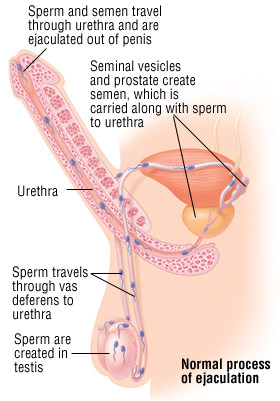
Premature ejaculation occurs when a man reaches orgasm and ejaculates too quickly and without control. In other words, ejaculation occurs before a man wants it to happen. It may occur before or after beginning foreplay or intercourse. Some men experience a lot of personal distress because of this condition.

As many as one in five men experience difficulty with uncontrolled or early ejaculation at some point in life. When premature ejaculation happens so frequently that it interferes with the sexual pleasure of a man or his partner, it becomes a medical problem.

Several factors may contribute to premature ejaculation. Psychological problems such as stress, depression and other factors that affect mental and emotional health can aggravate this condition. However, there is growing evidence that biological factors can make some men more prone to experience premature ejaculation.

Rarely, premature ejaculation can be caused by a specific physical problem, such as inflammation of the prostate gland or a spinal cord problem.

Symptoms

The key symptoms of premature ejaculation include:

  • Ejaculation that routinely occurs with little sexual stimulation and with little control
  • Decreased sexual pleasure because of poor control over ejaculation
  • Feelings of guilt, embarrassment or frustration

Diagnosis

Premature ejaculation is diagnosed based on typical symptoms. To understand your problem, your doctor will need to discuss your sexual history with you. Be frank and open. The more your doctor knows, the better he or she can help you.

If your sexual history fails to reveal significant mental or emotional factors that may contribute to premature ejaculation, your doctor may want to examine you. Your doctor may examine your prostate or do neurological tests (tests of your nervous system) to determine if there is a physical problem that could be causing premature ejaculation.

Expected Duration

Sometimes, premature ejaculation goes away on its own over weeks or months. Working to relieve stress or other psychological issues may help the situation to improve.

Other men have lasting difficulties with premature ejaculation, and require professional help. Some men respond to treatment promptly, while others struggle with this problem over a prolonged period. Effective treatment is available.

Prevention

There is no known way to prevent premature ejaculation. However, you should consider the following advice:

  • Maintain a healthy attitude toward sex. If you experience feelings of anxiety, guilt or frustration about your sex life, consider seeking psychotherapy or sexual therapy.
  • Keep in mind that anyone can experience sexual problems. If you experience premature ejaculation, try not to blame yourself or feel inadequate. Try speaking openly with your partner to avoid miscommunication.

Treatment

Behavioral therapy is one possible approach for treating premature ejaculation. Most commonly, the “squeeze technique” is used. If a man senses that he is about to experience premature orgasm, he interrupts sexual relations. Then the man or his partner squeezes the shaft of his penis between a thumb and two fingers. The man or his partner applies light pressure just below the head of the penis for about 20 seconds, lets go, and then sexual relations can be resumed. The technique can be repeated as often as necessary. When this technique is successful, it enables the man to learn to delay ejaculation with the squeeze, and eventually, to gain control over ejaculation without the squeeze. Behavioral therapy helps 60% to 90% of men with premature ejaculation. However, it requires the cooperation of both partners. Also, premature ejaculation often returns, and additional behavioral therapy may be needed.

Another possible treatment is prescription medication that helps to delay ejaculation. Delayed orgasm is a common side effect of certain drugs, particularly those used to treat depression. This is true even for men who are not depressed. When this type of medication is given to men who experience premature ejaculation, it can help to postpone orgasm for up to several minutes. Drugs used for this type of treatment include selective serotonin reuptake inhibitors (SSRIs), such as fluoxetine (Prozac), paroxetine (Paxil) or sertraline (Zoloft); and tricyclic antidepressants, such as clomipramine (Anafranil).

Some men with premature ejaculation may benefit from drugs called phosphodiesterase inhibitors, such as sildenafil (Viagra), vardenafil (Levitra), and tadalafil (Cialis). A phosphodiesterase inhibitor can be used alone or in combination with an SSRI. One drug should be started at a time, preferably at a low dose.

Some men with premature ejaculation also benefit from reducing the stimulation they experience during sex. A number of creams are available that can partially anesthetize (numb) the penis and reduce the stimulation that leads to orgasm. Another option is to use one or more condoms. However, these techniques may interfere with the pleasure experienced during sex.

When To Call a Professional

Speak with your doctor if you consistently ejaculate before you want to. Remember, one instance of premature ejaculation does not mean that you have a condition that requires treatment. Your doctor may refer you to a sex therapist if premature ejaculation is causing major problems in your sex life or personal relationships or if you would like to consider behavioral therapy.

Prognosis

Many men experience a brief period of premature ejaculation, then improve on their own. Even for men who require medical treatment, the outlook is usually good.

10 Natural Ways to Boost Your Libido

Boost Your Libido with These 10 Natural Tips

Medically reviewed by University of Illinois — Written by Alexia Severson — Updated on May 11, 2019

This article is a repost which originally appeared on Healthline

Edited for content

The natural approach

Looking to spice up your sex life? There are a variety of things you can do in your everyday life that can help boost your libido and enhance your sex life.

1. Try eating certain fruits

Little evidence supports the effectiveness of certain foods, but there’s no harm in experimenting.

Figs, bananas, and avocados, for example, are considered libido-boosting foods, known as aphrodisiacs.

But these foods also provide important vitamins and minerals that can increase blood flow to the genitals and promote a healthy sex life.

2. Try eating chocolate

Throughout history, chocolate has been a symbol of desire. Not just because of its delicious taste, but because of its power to improve sexual pleasure.

According to one study, chocolate promotes the release of phenylethylamine and serotonin into your body. This can produce some aphrodisiac and mood-lifting effects.

According to another study, the effects of chocolate on sexuality are probably more psychological than biological.

3. Take your daily herbs

Next time you decide to sit down for a romantic dinner, add a little basil or garlic to your dish. The smell of basil stimulates the senses. Garlic contains high levels of allicin, and increases blood flow.

These effects may help men with erectile dysfunction.

Ginkgo bilobaTrusted Source, an extract derived from the leaf of the Chinese ginkgo tree, is another herb found to treat antidepressant-induced sexual dysfunction.

4. Take a tip from Africa

Yohimbine, an alkaloid found in the bark of the West African evergreen, has been known to work as a natural Viagra.

Some studies suggest that Yohimbine bark can help you maintain an erection. It will also enhance the quality of an erection. However, researchers say there is no natural equivalent to match Viagra.

5. Boost your self-confidence

The way you feel about your body affects the way you feel about sex. An unhealthy diet and lack of exercise may cause you to have a poor self-image. These things can discourage you from having and enjoying sex.

You can boost your self-esteem and your sex drive by shifting the focus from your flaws to your attributes. You can also focus on the pleasure experienced during sex.

6. Stick to one glass of wine

Two glasses of wine might be one too many. Drinking one glass of wine can put you at ease and increase your interest in becoming intimate. But too much alcohol can ruin your ability to perform by affecting erectile function. Too much alcohol can also inhibit your ability to orgasm.

7. Take time to meditate and relieve stress

No matter how healthy you are, being stressed out is going to affect your sex drive. Women are particularly susceptible to the effects stress can have on one’s sex life.

Men, on the other hand, sometimes use sex to relieve stress. And sometimes differences in the approach to sex may cause conflict.

To relieve stress, participate in sports activities, practice tai chi, or take a yoga class.

8. Get plenty of sleep

Those with a hectic lifestyle don’t always have the time to get the right amount of sleep. Being busy also makes it difficult to make time for sex.

People who balance work with caring for aging parents or young children are often left exhausted, which can lead to a reduced sex drive.

Boost your energy and sex drive by taking naps when you can and eating a healthy diet high in protein and low in carbohydrates.

9. Keep your relationship in check

After you’ve had an argument with your partner, chances are you’re not in the mood to have sex. For women, sensing emotional closeness is important to sexual intimacy. That means unresolved conflicts can affect your sexual relationship.

Communication is essential for building trust. It’s important to prevent resentments from building up.

Consult a doctor

Even if you’re taking a natural approach to boosting your sex drive, it still might be a good idea to talk with your doctor. They can help you identify underlying problems.

Your doctor may suggest some strategies for enhancing sexual health.

These may include communicating with your partner, making healthy lifestyle choices, and treating underlying medical conditions. Knowing the root of the problem affecting your sex life will make it easier to find a solution.

10. Trial and error

There are a variety of different approaches that may enhance your sex drive naturally. However, it’s important to remember that every couple is different. It may take a little experimentation to find out what works best for you.

If you do decide to turn to prescription drugs, remember that desire is at the core of sex. It’s important to remember that a little blue pill may not be the answer if emotional issues are affecting your libido.

Healthline has strict sourcing guidelines and relies on peer-reviewed studies, academic research institutions, and medical associations. We avoid using tertiary references. You can learn more about how we ensure our content is accurate and current by reading our editorial policy.

Male Sexual Worries: Trends in the Post-Viagra Age

Male Sexual Worries: Trends in the Post-Viagra Age

This article is a repost which originally appeared on SciTechDaily

Edited for content

Trends in reasons for visiting a the San Raffaele sexual health clinic. Credit: This diagram appears with the permission of the authors and the International Journal of Impotence Research. The EAU thanks the authors, and the journal for their cooperation.

Scientists report a change in why men seek help for sexual problems, with fewer men complaining about impotence (erectile dysfunction) and premature ejaculation, and more men, especially younger men, complaining about low sexual desire and curvature of the penis (Peyronie’s disease).

Presenting the work at the European Association of Urology (virtual) Congress, after recent acceptance for publication, research leader Dr. Paolo Capogrosso (San Raffaele Hospital, Milan, Italy) said:

“Over a 10 year period we have seen a real change in what concerns men when they attend sexual health clinics. This is probably driven by greater openness, and men now accepting that many sexual problems can be treated, rather than being something they don’t want to talk about.”

The success of erectile dysfunction treatments such as Viagra and Cialis, and the availability of new treatments, means that men facing sexual problems have now have treatments for sexual problems which weren’t available a generation ago. Now researchers at San Raffaele Hospital in Milan have studied why men come to sexual health clinics, and how this has changed over a 10-year period.

In what is believed to be the first research of its kind, the scientists questioned 3244 male visitors to the San Raffaele Hospital Sexual Health Clinic in Milan over a 10 year period (2009 to 2019), and classified the main reason for the visit. They found that the number of patients visiting with erectile dysfunction problems increased from 2009 to 2013, then started to decrease.

There were comparatively few patients complaining of low sex drive or Peyronie’s disease in 2009, but complaints about both of these conditions grow from 2009 to the end of the study. In 2019 men were around 30% more likely to report Peyronie’s disease than in 2009, and around 32% more likely to report low sexual desire.

The amount of men complaining of premature ejaculation dropped by around 6% over the 10-year period. The average age of first attendance at the clinical also dropped, from a mean of 61 to 53 years.

“Erectile dysfunction is still the main reason for attending the clinic, but this number is dropping, whereas around 35% of men attending the clinic now complain of Peyronie’s disease, and that number has shown steady growth,” said Paolo Capogrosso. “Our patients are also getting younger, which may reflect a generational change in attitude to sexual problems.”

Dr. Capogrosso continued “We need to be clear about what these figures mean. They do not indicate any change in the prevalence of these conditions, what they show is why men came to the clinic. In other words, it shows what they are concerned about. The changes probably also reflect the availability of treatments; as treatments for sexual conditions have become available over the last few years, men are less likely to suffer in silence.”

These are results from a single centre, so they need to be confirmed by more inclusive studies. “Nevertheless there seems to be a growing awareness of conditions such as Peyronie’s disease, with articles appearing in the popular press*. In addition, we know that the awareness of this condition is increasing in the USA and elsewhere, so this may be a general trend,**” said Dr. Capogrosso.

Commenting, Dr Mikkel Fode (Associate Professor of Urology at University of Copenhagen), said:

“Although these data are somewhat preliminary as they stem from single institution they are interesting because they allow us to formulate several hypotheses. For example the drop in men presenting with erectile dysfunction may mean that family physicians are becoming more comfortable addressing this issue and that the patients are never referred to specialized centers. Likewise, the simultaneous drop in age at presentation and increase in Peyronie’s disease and low sex drive could indicate that both men and their partners are becoming more mindful to optimizing their sex lives. I will be very interesting to see if these trends are also present in other centers around the world.”

Dr. Fode was not involved in this work, this is an independent comment.

References:

* “Trends in reported male sexual dysfunction over the past decade: an evolving landscape” by Edoardo Pozzi, Paolo Capogrosso, Luca Boeri, Walter Cazzaniga, Rayan Matloob, Eugenio Ventimiglia, Davide Oreggia, Nicolò Schifano, Luigi Candela, Costantino Abbate, Francesco Montorsi and Andrea Salonia, 1 July 2020, International Journal of Impotence Research.

** “The Prevalence of Peyronie’s Disease in the United States: A Population-Based Study” by Mark Stuntz, Anna Perlaky, Franka des Vignes, Tassos Kyriakides and Dan Glass, 23 February 2016, PLOS ONE.
DOI: 10.1371/journal.pone.0150157
PMCID: PMC4764365

Male Sexual Worries: Trends in the Post-Viagra Age

Male Sexual Worries: Trends in the Post-Viagra Age

This article is a repost which originally appeared on SciTechDaily

Edited for content

Trends in reasons for visiting a the San Raffaele sexual health clinic. Credit: This diagram appears with the permission of the authors and the International Journal of Impotence Research. The EAU thanks the authors, and the journal for their cooperation.

Scientists report a change in why men seek help for sexual problems, with fewer men complaining about impotence (erectile dysfunction) and premature ejaculation, and more men, especially younger men, complaining about low sexual desire and curvature of the penis (Peyronie’s disease).

Presenting the work at the European Association of Urology (virtual) Congress, after recent acceptance for publication, research leader Dr. Paolo Capogrosso (San Raffaele Hospital, Milan, Italy) said:

“Over a 10 year period we have seen a real change in what concerns men when they attend sexual health clinics. This is probably driven by greater openness, and men now accepting that many sexual problems can be treated, rather than being something they don’t want to talk about.”

The success of erectile dysfunction treatments such as Viagra and Cialis, and the availability of new treatments, means that men facing sexual problems have now have treatments for sexual problems which weren’t available a generation ago. Now researchers at San Raffaele Hospital in Milan have studied why men come to sexual health clinics, and how this has changed over a 10-year period.

In what is believed to be the first research of its kind, the scientists questioned 3244 male visitors to the San Raffaele Hospital Sexual Health Clinic in Milan over a 10 year period (2009 to 2019), and classified the main reason for the visit. They found that the number of patients visiting with erectile dysfunction problems increased from 2009 to 2013, then started to decrease.

There were comparatively few patients complaining of low sex drive or Peyronie’s disease in 2009, but complaints about both of these conditions grow from 2009 to the end of the study. In 2019 men were around 30% more likely to report Peyronie’s disease than in 2009, and around 32% more likely to report low sexual desire.

The amount of men complaining of premature ejaculation dropped by around 6% over the 10-year period. The average age of first attendance at the clinical also dropped, from a mean of 61 to 53 years.

“Erectile dysfunction is still the main reason for attending the clinic, but this number is dropping, whereas around 35% of men attending the clinic now complain of Peyronie’s disease, and that number has shown steady growth,” said Paolo Capogrosso. “Our patients are also getting younger, which may reflect a generational change in attitude to sexual problems.”

Dr. Capogrosso continued “We need to be clear about what these figures mean. They do not indicate any change in the prevalence of these conditions, what they show is why men came to the clinic. In other words, it shows what they are concerned about. The changes probably also reflect the availability of treatments; as treatments for sexual conditions have become available over the last few years, men are less likely to suffer in silence.”

These are results from a single centre, so they need to be confirmed by more inclusive studies. “Nevertheless there seems to be a growing awareness of conditions such as Peyronie’s disease, with articles appearing in the popular press*. In addition, we know that the awareness of this condition is increasing in the USA and elsewhere, so this may be a general trend,**” said Dr. Capogrosso.

Commenting, Dr Mikkel Fode (Associate Professor of Urology at University of Copenhagen), said:

“Although these data are somewhat preliminary as they stem from single institution they are interesting because they allow us to formulate several hypotheses. For example the drop in men presenting with erectile dysfunction may mean that family physicians are becoming more comfortable addressing this issue and that the patients are never referred to specialized centers. Likewise, the simultaneous drop in age at presentation and increase in Peyronie’s disease and low sex drive could indicate that both men and their partners are becoming more mindful to optimizing their sex lives. I will be very interesting to see if these trends are also present in other centers around the world.”

Dr. Fode was not involved in this work, this is an independent comment.

References:

* “Trends in reported male sexual dysfunction over the past decade: an evolving landscape” by Edoardo Pozzi, Paolo Capogrosso, Luca Boeri, Walter Cazzaniga, Rayan Matloob, Eugenio Ventimiglia, Davide Oreggia, Nicolò Schifano, Luigi Candela, Costantino Abbate, Francesco Montorsi and Andrea Salonia, 1 July 2020, International Journal of Impotence Research.

** “The Prevalence of Peyronie’s Disease in the United States: A Population-Based Study” by Mark Stuntz, Anna Perlaky, Franka des Vignes, Tassos Kyriakides and Dan Glass, 23 February 2016, PLOS ONE.
DOI: 10.1371/journal.pone.0150157
PMCID: PMC4764365

6 Ways To Keep Your Penis In Peak Condition And Have The Best Sex of Your Life

6 Ways To Keep Your Penis In Peak Condition And Have The Best Sex of Your Life

A top urologist breaks down his biggest rules for male sexual wellness.

Dr. Judson Brandeis

Presented by Vitality Connect

This article is a repost which originally appeared on MAXIM

As men get older, there are certain changes that seem inevitable, especially having to do with our bodies. One of the amazing things about the advances in modern medicine is that our life expectancy is at the highest it has been in human history. And as our lives become longer, so does our appetite to enjoy ourselves with our partners. With intimacy being such an important part of every relationship, one of the most common questions I get asked is how to keep a man’s penis working well. 

Here are the six most important things I tell my patients to do if they want to have the best sex of their lives:

Check Your Testosterone Levels

Testosterone peaks for men in their twenties, and then slowly declines over time. In fact, it’s not uncommon for a man’s testosterone to drop by 75% over the remainder of his life. When testosterone is low, men often feel grumpy. Other signs include loss of muscle, fat gain, trouble sleeping, loss of libido and/or erectile dysfunction. 

By correcting testosterone deficiencies, a man can expect to enjoy many benefits normally associated with youth like an improvement in body composition, sleep quality and most notably, libido. Testosterone therapy also aids erectile function, meaning not only an increase in appetite but in performance, as well.

Boost Your Nitric Oxide Levels

There are two different, but complementary systems to move blood around the body. One, the Nitric Oxide system, releases compounds that trigger the blood vessels to open, while the Phosphodiesterase (PDE) system helps to close them. Unfortunately, as a man ages his nitric oxide levels decline. You can boost nitric oxide levels easily over time by adding more watermelon, beets and greens to your diet, or if rapid improvement is desired, taking a supplement like AFFIRM.

Explore PDE-5 Inhibitors

Replenishing your body’s nitric oxide is not the only part of a successful strategy. The other system at work during an erection is the Phosphodiesterase (PDE) system. Through research, science has been able to determine which enzymes reduce penile blood flow. It turns out the compound in question is called PDE-5 and many medications for treating ED block its function. PDE-5 inhibitors like Viagra and Cialis inhibit these enzymes, channeling blood preferentially into the penis. The medication starts working after thirty minutes and reaches full potency in about an hour. Men can take these medications daily if they want to always feel “locked and loaded.”

Find a GAINSWave Provider

While taking a nitric oxide booster or a PDE-5 inhibitor can certainly produce some results, research has shown the best outcome is when they are taken together. However, there is a critical third element that is often overlooked: the pipes. Unlike medications, GAINSWave® targets the underlying causes of erectile dysfunction, permanently growing new blood vessels to both increase the flow of blood to the penis while also improving erectile firmness. 

GAINSWave awakens dormant stem cells and triggers the release of growth factors which improve, repair and expand the blood vessels. And since GAINSWave is nonsurgical, painless and without side effects, intimacy is no longer tied to a schedule, returning spontaneity and vigor to any relationship. Therapy typically requires between six to twelve sessions, each around twenty minutes, spread out over the course of a few weeks. 

Although a little awkward at first, most patients quickly get used to any discomfort within the first few moments of the procedure. Improvement can begin immediately, but most men can expect peak performance to begin around four to six weeks post-treatment and last for a year or more depending on the health of the person.

Get Pumped

Did you know young men typically experience three to six erections every night? These erections last between five to ten minutes and account for thirty to sixty minutes of oxygenated stretching for the penis. As men age, these erections decrease in frequency and intensity, causing many men’s penis to shrink over time. 

Some even lose erectile ability completely. Using a vacuum device or pump once or twice a day to stretch the penis can help combat this. The pump artificially inflates the penis with oxygenated blood to help restore full function and size. Like the other items on this list, vacuum devices can be effective on their own, but are much more effective when used in concert with GAINSWave therapy. Vacuum devices are a great way to improve penile health as men age.

Bone Up On The Facts

Have you ever wondered why your tissue is able to repair itself seamlessly whenever you cut yourself? This is due to more than a hundred tiny, versatile growth factors stored within the platelets in your blood. Whenever there is a trauma, your body releases chemicals that attract existing platelets to the site of the injury. The result is focused growth of new blood vessels and tissue in that area. 

In medicine, platelet-rich plasma is often used with other treatments to speed healing. For a man, undergoing GAINSWave therapy can yield far better results when used in conjunction with PRP. GAINSWave plants the seed by stimulating the stem cells in the affected area. PRP is then added like fertilizer, accelerating the growth of new blood vessels within the penis. Although it has been in use in orthopedics, hair growth and dermatology, PRP therapy is only now being studied for its efficacy at repairing and restoring erectile function.

There are many options for optimizing male sexual health. Most, when used together, can not only restore your ability to enjoy life, for a lot of men it means enhancing life beyond their wildest dreams. Penile health may not be the most comfortable subject to bring up with your doctor, but the only way to ensure a great tomorrow is by doing something about it today.

I recently hosted a two-hour long webinar with wellness expert Susan Bratton that took an in-depth dive into the all the treatments that are helping men optimize their bedroom performance. Luckily, we recorded it! It’s among the most educational breakdowns on all things “penis”- related available. Watch the video above to find out why.

Zapping the penis with sound waves could tackle erectile dysfunction ‘by stimulating the growth of nerve fibres and blood vessels’

Zapping the penis with sound waves could tackle erectile dysfunction ‘by stimulating the growth of nerve fibres and blood vessels’

  • Scientists tested low-intensity extracorporeal shockwave therapy 
  • It delivers up to 2,400 pulses of sound to the shaft of the penis over 20 minutes
  • It worked significantly better than a standard erectile dysfunction pill alone 
  • Italian researchers said the pulses boost growth hormones to heal damage 

By Vanessa Chalmers Health Reporter For Mailonline

This article is a repost which originally appeared on DailyMail

Zapping the penis with sound waves could tackle erectile dysfunction, a study suggests.

Scientists tested the relatively new treatment alongside a standard pill on a group of men struggling with impotence.

They found six sessions of up to 2,400 pulses of acoustic energy to the penis gave significantly better results than the pill alone.

It is believed to work by stimulating the growth of new nerve fibres and blood vessels, restoring penis function.

The intense vibrations to the shaft during the 20-minute sessions are not painful, according to the researchers.
Shockwaves fired through the penis could be used to treat erectile dysfunction

Shockwaves fired through the penis could be used to treat erectile dysfunction

Paolo Verze, of University of Naples Federico II, Italy, said low-intensity extracorporeal shockwave therapy (LiESWT) is a ‘promising’ therapy for erectile dysfunction (ED).

The 156 study participants all had type 2 diabetes, as ED is a common problem often with more severity among those with diabetes.

It can stem from damage to nerves and blood vessels caused by poor long-term blood sugar control.

In the study, patients took a daily pill of tadalafil, branded Cialis, a standard treatment for ED, for 12 weeks.

However, half of them also had LiESWT twice a week for three weeks at the beginning of the study.

The severity of participants’ erectile dysfunction was measured using the 5-Item International Index of Erectile Function test.

WHAT IS ERECTILE DYSFUNCTION?

Erectile dysfunction, also known as impotence, is when a man is unable to get or maintain an erection.

It is more common in the over-40s but affects men of all ages.

Erectile dysfunction affects half of men aged between 40 and 70 years old, according to the British Association of Urological Surgeons.

A psychological component, often called ‘performance anxiety’ is common in men with impotence. However, a purely psychological problem is seen in only 10 per cent.

It can be a sign of an underlying medical condition such as high blood pressure or cholesterol, side effects of medication, or hormonal issues.

Of the 90 per cent of men who have an underlying physical cause, the main abnormalities found are cardiovascular disease (40 per cent), diabetes (33 per cent) and hormone problems and drugs (11 per cent).

Failure to stay erect is usually due to tiredness, stress, anxiety or alcohol, and is not a cause for concern.

Treatment usually involves lifestyle modification first, as obesity, smoking, cycling too much, drinking too much, and stress can trigger ED.

Medication with a phosphodiesterase inhibitor such as sildenafil (Viagra), tadalafil (Cialis), vardenafil (Levitra) or avanafil (Spedra) is the second choices.

Scores of 25–22 indicate no erectile dysfunction while five to seven indicate severe erectile dysfunction.

At the beginning, the men aged 57 on average, had an erectile dysfunction score of 15.5. Their score was measured four weeks, 12 weeks and 24 weeks after the study.

The scores improved significantly in both groups at four weeks, by 2.9 in the tadalafil only group, and 3.9 in the LiESWT group.

At 12 weeks, scores had improved by 3.3 in the tadalafil only group, and 4.3 in the LiESWT group.

By 24 weeks, the differences were more evident. Those who had the LiESWT had seen their erectile dysfunction improved by 3.8 compared to the 1.8 who did not have it.

A second study investigated what number of shockwaves were most effective – 1,500, 1,800 or 2,400 pulses per session.

Those who had the most intense shockwave therapy of 2,400 saw their erectile dysfunction improve the most, by 4.7 points.

Overall, the combined approach of tadalafil and LiESWT at 2,400 pulses gave ‘significant advantage’ compared to those who only had tadalafil, the researchers said.

Writing in the Asian Journal of Andrology, the authors shockwave therapy is believed to stimulate pathways that encourage growth factors.

A growth factor is a natural substance in the body which helps with healing and cell growth.

This, Dr Verze and colleagues said, may regenerate nerve fibres and blood vessels in the penis, improving blood flow.

‘Consequently, LiESWT has the potential to restore natural erections and cure the disease,’ they claim.

The study was welcomed by sexual health expert Dr Diana Gall, from online ­service Doctor 4 U.

She told The Sun: ‘Drugs such as tadalafil have long been used to treat erectile problems.

‘But shockwave therapy is an emerging weapon in the sexual health armoury and this new study offers some encouraging results.

‘When combined with erection medication, it could now offer real hope for those who suffer erectile dysfunction, particularly among the one in ten men over 40 in the UK who also have diabetes.’

Erectile dysfunction affects half of men aged between 40 and 70 years old, according to the British Association of Urological Surgeons.

Of the 90 per cent of men who have an underlying physical cause, rather than a mental struggle, a third have diabetes.

Erectile dysfunction pills can permanently distort vision

Erectile dysfunction pills can permanently distort vision

By Hannah Frishberg

This article is a repost which originally appeared on the NEW YORK POST

This little blue pill is giving men a big blue — or sometimes red — problem: colored vision.

Erectile dysfunction drugs can lead to prolonged retinal dysfunction, a new case study published Friday in the journal Frontiers in Neurology found.

“Sildenafil, also known as the little blue pill or Viagra, is a common medication for men who need a little downstairs perk-me-up,” begins a press release for the report, published by Turkey’s World Eye Hospital, “but Turkish researchers noted a pattern of male patients whom (sic) took the pill suffering from all sorts of visual disturbances.”

Study authors report patients experienced blurred vision, light sensitivity and color-vision disturbances, including “intensely blue colored vision with red/green color blindness” after taking the highest recommended dose of Sildenafil, which was originally developed as a treatment for high blood pressure.

“For the vast majority of men, any side effects will be temporary and mild” after taking Sildenafil, says study author Dr. Cüneyt Karaarslan. “However, I wanted to highlight that persistent eye and vision problems may be encountered for a small number of users.”

In the 17 case reports included in the study, all men were still experiencing side effects when they arrived at the clinic 24 to 48 hours after taking the drug. For some, the symptoms required 21 days to clear up, although in past case studies, patients’ vision has been found to be forever changed.

“He definitely showed some permanent damage to his vision,” ophthalmologist Dr. Richard Rosen tells CNN of a 31-year-old who began seeing red after he took a high dose of an ED medication. The man was the subject of a case report co-authored by Rosen and published in 2018.

Karaarslan believes the side effects are due to a small subsection of men being unable to break down the enhancement drugs. The reason the eye is impacted is not fully understood, Rosen tells CNN, but has something to do with a pair of sister enzymes. One of the enzymes is found in blood vessel walls and can affect the other enzyme, which helps process light within the eye. The one that impacts blood vessel walls is inhibited by the drug’s active ingredient.

“No one knows exactly how this happens,” says Rosen. “We just know there’s a crossover.”

Generic Viagra Comes to Your Wallet’s Rescue: Happy 20th Birthday, Viagra!

generic viagra

generic viagraThe ever-increasing price for erectile dysfunction drugs is a serious problem for tens of thousands of men. When a single-dose of 10 mg Viagra can cost $60 or more… well, it can seriously impact your sex life.  Thank goodness, generic Viagra has come to market and is saving men a lot of money.

Why Do Erectile Dysfunction Drugs Cost So Much?

NOTE: For the purpose of this section, let’s set aside the occasional nefarious price-gouging the pharmaceutical industry does on medications, and instead just focus on the reasonable (but still high) costs of ED drugs.

why do erectile dysfunction drugs cost so much

Let’s start this discussion with why erectile dysfunction drugs are so expensive, and really, why every name brand drug is so expensive.  Pharmaceutical companies, obviously, put millions and millions of dollars into the development of a drug. Oftentimes, these drugs never come to market, for numerous reasons. So, for every drug that comes to market – it has to pay for all of the other drugs that were just big sinkholes of money.

Now, compound this need to recover lost R&D costs on other failed products with the liability pharmaceutical companies endure with each and every drug they sell. Like the medical industry in general, costs have skyrocketed over the last couple of decades due to an increasingly litigious society. Those costs of lawsuits – both won and lost – have to be covered as well.

Lastly, a prescription’s protection is only for a finite length. Patent protection for a brand name drug, like Viagra, is only 20 years. After that time, other manufacturers can make the drug. So, they only have that short time span when they stand unchallenged – and smartly try to make as much profit as possible during that time.

Enter Generic Viagra – Happy 20th Birthday Viagra!

happy birthday viagra generic viagraOn March 27th, 1998, Pfzier Pharmaceuticals was given FDA approval to sell the infamous “little blue pill”. Now, 20 years later, that patent protection is gone and generic Viagra, Sildenafil, has come to market.

The result?

A HUGE savings!

Generic Viagra is available now for $10 or less per dose, at your local pharmacy here in the states. That’s less than the hourly rate for a babysitter!  OK, it’s still not super-cheap, but it’s far more affordable than $60!

Now, having sex three times a week will only cost you a the average monthly credit card payment and not a mortgage on a small house.

To learn more about Viagra, check out this post –

Viagra: Everything You Want to Know About the Little Blue Pill

To get a prescription for Viagra online and have your prescription safely, discreetly and legally delivered right to your house, check out this post –

A New Way to Treat Erectile Dysfunction – Roman Changes Everything!