Premature Ejaculation

Premature Ejaculation

What Is It?

Published: February, 2020

This article is a repost which originally appeared on Harvard Health

Edited for content

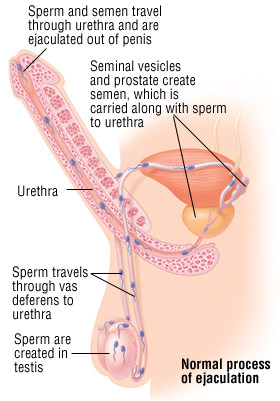
Premature ejaculation occurs when a man reaches orgasm and ejaculates too quickly and without control. In other words, ejaculation occurs before a man wants it to happen. It may occur before or after beginning foreplay or intercourse. Some men experience a lot of personal distress because of this condition.

As many as one in five men experience difficulty with uncontrolled or early ejaculation at some point in life. When premature ejaculation happens so frequently that it interferes with the sexual pleasure of a man or his partner, it becomes a medical problem.

Several factors may contribute to premature ejaculation. Psychological problems such as stress, depression and other factors that affect mental and emotional health can aggravate this condition. However, there is growing evidence that biological factors can make some men more prone to experience premature ejaculation.

Rarely, premature ejaculation can be caused by a specific physical problem, such as inflammation of the prostate gland or a spinal cord problem.
Symptoms

The key symptoms of premature ejaculation include:

  • Ejaculation that routinely occurs with little sexual stimulation and with little control
  • Decreased sexual pleasure because of poor control over ejaculation
  • Feelings of guilt, embarrassment or frustration

Diagnosis

Premature ejaculation is diagnosed based on typical symptoms. To understand your problem, your doctor will need to discuss your sexual history with you. Be frank and open. The more your doctor knows, the better he or she can help you.

If your sexual history fails to reveal significant mental or emotional factors that may contribute to premature ejaculation, your doctor may want to examine you. Your doctor may examine your prostate or do neurological tests (tests of your nervous system) to determine if there is a physical problem that could be causing premature ejaculation.

Expected Duration

Sometimes, premature ejaculation goes away on its own over weeks or months. Working to relieve stress or other psychological issues may help the situation to improve.

Other men have lasting difficulties with premature ejaculation, and require professional help. Some men respond to treatment promptly, while others struggle with this problem over a prolonged period. Effective treatment is available.

Prevention

There is no known way to prevent premature ejaculation. However, you should consider the following advice:

  • Maintain a healthy attitude toward sex. If you experience feelings of anxiety, guilt or frustration about your sex life, consider seeking psychotherapy or sexual therapy.
  • Keep in mind that anyone can experience sexual problems. If you experience premature ejaculation, try not to blame yourself or feel inadequate. Try speaking openly with your partner to avoid miscommunication.

Treatment

Behavioral therapy is one possible approach for treating premature ejaculation. Most commonly, the “squeeze technique” is used. If a man senses that he is about to experience premature orgasm, he interrupts sexual relations. Then the man or his partner squeezes the shaft of his penis between a thumb and two fingers. The man or his partner applies light pressure just below the head of the penis for about 20 seconds, lets go, and then sexual relations can be resumed. The technique can be repeated as often as necessary. When this technique is successful, it enables the man to learn to delay ejaculation with the squeeze, and eventually, to gain control over ejaculation without the squeeze. Behavioral therapy helps 60% to 90% of men with premature ejaculation. However, it requires the cooperation of both partners. Also, premature ejaculation often returns, and additional behavioral therapy may be needed.

Another possible treatment is prescription medication that helps to delay ejaculation. Delayed orgasm is a common side effect of certain drugs, particularly those used to treat depression. This is true even for men who are not depressed. When this type of medication is given to men who experience premature ejaculation, it can help to postpone orgasm for up to several minutes. Drugs used for this type of treatment include selective serotonin reuptake inhibitors (SSRIs), such as fluoxetine (Prozac), paroxetine (Paxil) or sertraline (Zoloft); and tricyclic antidepressants, such as clomipramine (Anafranil).

Some men with premature ejaculation may benefit from drugs called phosphodiesterase inhibitors, such as sildenafil (Viagra), vardenafil (Levitra), and tadalafil (Cialis). A phosphodiesterase inhibitor can be used alone or in combination with an SSRI. One drug should be started at a time, preferably at a low dose.

Some men with premature ejaculation also benefit from reducing the stimulation they experience during sex. A number of creams are available that can partially anesthetize (numb) the penis and reduce the stimulation that leads to orgasm. Another option is to use one or more condoms. However, these techniques may interfere with the pleasure experienced during sex.

When To Call a Professional

Speak with your doctor if you consistently ejaculate before you want to. Remember, one instance of premature ejaculation does not mean that you have a condition that requires treatment. Your doctor may refer you to a sex therapist if premature ejaculation is causing major problems in your sex life or personal relationships or if you would like to consider behavioral therapy.

Prognosis

Many men experience a brief period of premature ejaculation, then improve on their own. Even for men who require medical treatment, the outlook is usually good.

24 Ways You or Your Penis-Having Partner Can Increase Penile Sensitivity

24 Ways You or Your Penis-Having Partner Can Increase Penile Sensitivity

Medically reviewed by Jennifer Litner, LMFT, CST — Written by Adrienne Santos-Longhurst on October 14, 2020

This article is a repost which originally appeared on Healthline

Edited for content

For many folks, sexual satisfaction is all about the feels, so if you or your penis-having partner are experiencing decreased sensitivity down there, it could really mess with your ability to get off.

There are a few things that can cause a decrease in penile sensation, from the way a person masturbates to lifestyle habits and hormone imbalances. The good news: There are ways to get back that lovin’ feeling.

Quick distinction: Less sensation vs. numbness

To be clear, there’s a big difference between less sensation and numbness.

Having less sensation — which is what we’re focusing on in this article — means you don’t feel as much sensation in your peen as you did before.

A numb penis is a whole other ball of wax and refers to not being able to feel any normal sensation when your penis is touched.

If it’s related to your technique

Yep, how you pleasure yourself might be affecting your penile sensation.

What does this have to do with it?

The way you masturbate can lead to decreased sensitivity. Some people call this “death grip syndrome.”

The gist is that people who masturbate using a very specific technique or tight grip can become desensitized to other types of pleasure over time.

When this happens, coming or even getting any pleasure without the exact move or pressure becomes difficult.

If you’re feeling all the feels just fine when you masturbate but find that partner sex is where the sensation is lacking, there are a couple potential reasons.

A thinner or smaller-than-average penis, or even too much lube (natural wetness or synthetic), can mean less friction — and ultimately sensation — during intercourse.

What can you do to help address this?

Just switching up your technique should do the trick and help you recondition your sensitivity.

If death grip is the issue, depending on how you’re used to masturbating, this might mean loosening your grip, stroking at a slower pace, or both.

You could also mix things up with a sex toy made for penis play, like the Super Sucker UR3 Masturbator, which you can buy online, or TENGA Zero Flip Hole Masturbator, which is also available online. And don’t forget the lube!

If intercourse is the issue, some positions make for a tighter fit and therefore more friction.

Here’s a little secret: Tweaking any position so your partner can keep their legs tight together during sex should work.

Plus, if anal sex is what you’re both into, the anus is by nature a tighter squeeze. Just be sure to use a lot of lube if you take it to the backside.

And speaking of a lot of lube: If an abundance of wetness is making sex feel a bit like a Slip ’N Slide, a quick wipe with some tissue should fix it.

If it’s related to your lifestyle

Certain lifestyle habits can be to blame for your peen’s lessened sensitivity.

What does this have to do with it?

Do you bicycle a lot? Do you masturbate frequently? These things can cause the sensitivity in your peen to tank if you do them often.

When it comes to masturbation, how often you do it matters if you’re doing it a lot, according to research that has linked hyperstimulation to decreased penile sensitivity.

As for bicycling, bicycle seats put pressure on the perineum — the space between your balls and anus. It presses on blood vessels and nerves that provide feeling to the penis.

Sitting in a hard or uncomfortable chair for long periods can do the same.

What can you do to help address this?

Masturbation is healthy, but if the frequency of your handy treats is causing a problem, taking a break for a week or two can help get your penis feeling back to itself.

If you sit or bicycle for long periods, take regular breaks. Consider swapping out your bike seat or usual chair for something more comfortable.

If it’s related to your testosterone levels

Testosterone is the male sex hormone responsible for libido, not to mention a bunch of other functions.

If your testosterone (T) level drops, you might feel less responsive to sexual stimulation and have trouble getting aroused.

T levels decrease as you age. Damage to your danglers — aka testicles — can also affect T, as well as certain conditions, substances, and cancer treatment.

Your doctor can diagnose low T with a simple blood test and treat it using testosterone replacement therapy (TRT). Lifestyle changes, like regular exercise, maintaining a moderate weight, and getting more sleep can also help.

If it’s related to an underlying condition or medication

Certain medical conditions and medications can affect sensation in the penis.

What does this have to do with it?

Diabetes and multiple sclerosis (MS) are just a couple conditions that can damage nerves and affect sensation in different body parts, including the penis.

Medications used to treat Parkinson’s disease can also reduce penile sensation as a side effect.

Ensuring that any underlying condition is well managed might help bring the feels back.

If medication’s the culprit, your doctor may be able to adjust your dose or change your medication.

If it’s related to your mental health

Sexual pleasure isn’t just about your D. Your brain plays a big role, too.

What does this have to do with it?

If you’re dealing with anxiety, stress, depression, or any other mental health issue, getting in the mood can be near impossible. And even if you really want to get down to business, your penis may not be as receptive.

What can you do to help address this?

It really depends on what’s going on mentally.

Taking some time to unwind before sexy time can help if you’re feeling stressed or anxious.

A hot bath or shower can help your mind and muscles relax. The warm water also increases circulation, which can help increase sensitivity and make your skin more responsive to touch.

If you’re regularly struggling with feelings of anxiety or depression, or having trouble coping with stress, reach out for help.

Talk to a friend or loved one, see a healthcare provider, or find a local mental health provider through the Anxiety and Depression Association of America (ADAA).

Things to keep in mind if you’re struggling

Not to be punny, but try to not beat yourself silly over this.

We get how frustrating it must be to not be able to enjoy the sensation you want or expect during sexual activity.

Here are some things to keep in mind if you’re struggling.

It’s probably not permanent

Chances are your lessened penile sensation can be improved.

As we’ve already covered, changes in technique, getting in the right frame of mind, or some lifestyle tweaks may be all that’s needed to get your penis feeling right again.

A healthcare provider can help with any underlying medical or mental health issues and recommend the right treatments.

Go easy on yourself

We’re not just talking about choking your chicken either! Stressing about this and putting pressure on yourself will only make things worse in the pleasure department.

Give yourself time to relax and get in the mood before play, and permission to stop and try another time if you’re not feeling it.

Don’t be embarrassed to ask for help

Penis health and sexual health are just as important as other aspects of your health.

If there’s something going on with your penis or your ability to enjoy sexual activity, a professional can help.

Good penis health is in your hands

You can’t control everything, but there are things you can do to help keep your penis healthy:

  • Eat a healthy diet, including foods shown to boost penis health by lowering inflammation and improving T levels and circulation.
  • Get regular exercise to improve mood and T levels, manage your weight, and lower your risk for erectile dysfunction and other conditions.
  • Learn to relax and find healthy ways to cope with stress to improve your T levels, mood, sleep, and overall health.
Things to keep in mind if your partner is struggling

If it’s your partner who’s struggling with lessened sensitivity down there, don’t worry. Chances are there’s a good reason for it, and it’s probably not what you think.

Here are some things to keep in mind if it’s getting to you.

Don’t take it personally

Your first instinct may be to blame yourself if your partner isn’t enjoying sex. Try to not do this.

Sounds harsh, but: Not your penis, not your problem.

As a loving partner, of course you want them to feel good. But unless you’ve damaged their penis by taking a hammer to it, their lessened penile sensitivity isn’t your fault, so don’t make it about you.

I repeat, don’t make it about you

Seriously, it’s not your penis!

As frustrated as you might be, keep it to yourself

Not trying to dismiss your feelings or anything, but as frustrated as you may be that your partner isn’t feeling it even when you pull out your best moves, it’s probably a lot more frustrating for them.

That said, if your partner’s lack of sensation results in a marathon shag sesh that causes chafing to your nether regions, of course you have the right to take a break or stop. It’s your body, after all. Just be mindful of how you say it.

Ask what your partner needs from you

EVERYONE should be asking what their partner needs when it comes to sex and relationships. It’s the key to making both great.

Do they need a little time to relax before action moves to the peen? Do they need more foreplay that focuses on other pleasure spots to help them get in the mood? Do they want to just stop altogether? Don’t be afraid to ask.

The bottom line

If you’ve lost some of that lovin’ feeling down below, your lifestyle and pleasure routine — solo or partnered — may provide some clues. If not, your doctor or other healthcare provider can help.

In the meantime, be patient and kind with yourself, and consider some of your other pleasure zones for satisfaction.


Men: Ageing and Sexual Health Myths

Men: Ageing and Sexual Health Myths

[email protected] (healthxchange.sg)
Health Xchange4 September 2020

This article is a repost which originally appeared on Yahoo SG

In conjunction with World Sexual Health Day (4 Sep 2020), the departments of Psychiatry and Urology from Singapore General Hospital (SGH), a member of the SingHealth group, help dispel common myths about male ageing and sexual health.

Top 5 myths on male ageing and sexual health

Myth 1: Is something wrong with me as my friends don’t seem to have complaints about their erections?

Fact: Every man’s erection becomes weaker with age. However, men with medical conditions like diabetes, hypertension and high cholesterol may experience erectile dysfunction earlier in their lives.

Myth 2: A short penis is not good for sex.

Fact: Many men have this misconception that good sex requires a long penis. Procedures to lengthen the penis are merely cosmetic and do not enhance erection. In fact, they may even impair erections in some cases! (Alprazolam)

Myth 3: Is not being able to have multiple erections a problem?

Fact: Most men do not have multiple erections. After ejaculation, the penis will have a refractory period whereby it cannot become erect.

Myth 4: Using erection drugs will improve my sex life.

Fact: Erection drugs do not increase sex drive. They increase blood flow in the penis, allowing erections to be stronger and more rigid.

Myth 5: It is possible to die from taking erection drugs.

Fact: Deaths from erection drugs are very rare and they happen when the drugs are taken without medical supervision. Victims may also have underlying medical conditions like heart problems. When taken properly under medical supervision, erection drugs are actually very safe.​

Treatment for erectile dysfunction

The most common treatment for erectile dysfunction is taking drugs such as Viagra, Levitra or Cialis under medical supervision. The most drastic treatment is a surgical procedure which involves inserting a penile implant.

Reduced libido caused by a lack of testosterone can be confirmed with a blood test and treated with testosterone supplements. The treatment can be given in an oral form or via a series of injections, with regular follow-ups to ensure that the patient’s testosterone is replaced adequately and safely.

Prevention is better than treatment

That is why it is important to maintain a well-balanced lifestyle – physically, emotionally and financially – as it is the first step towards graceful ageing and a healthy sex life.

If you have any chronic medical problems such as diabetes, hypertension, hyperlipidaemia and depression, they need to be managed well so as to prevent long-term complications.

Experts warn against drug and alcohol abuse as these have a toxic effect on the nervous system, damaging nerves that are critical to sexual desire. Smoking causes early atherosclerosis (which leads to premature erectile dysfunction and is also associated with heart attacks, strokes and many cancers) and should be avoided.

Exercising regularly will also help improve your self image (which increases desire and boosts sexual hormones) and promote healthy blood vessels (which means delaying the onset of erectile dysfunction).

On the emotional front, focus on relationships with important people in your life and let go of past grievances. Also, be mentally and financially prepared for retirement. If one enters the golden years possessing financial stability, companionship and meaningful hobbies, one will be well equipped to lead a more fulfilling life in the later years.


Premature Ejaculation, What Is It?

Premature Ejaculation

What Is It?

Published: February, 2020

This article is a repost which originally appeared on Harvard Health

Premature ejaculation occurs when a man reaches orgasm and ejaculates too quickly and without control. In other words, ejaculation occurs before a man wants it to happen. It may occur before or after beginning foreplay or intercourse. Some men experience a lot of personal distress because of this condition.

As many as one in five men experience difficulty with uncontrolled or early ejaculation at some point in life. When premature ejaculation happens so frequently that it interferes with the sexual pleasure of a man or his partner, it becomes a medical problem.

Several factors may contribute to premature ejaculation. Psychological problems such as stress, depression and other factors that affect mental and emotional health can aggravate this condition. However, there is growing evidence that biological factors can make some men more prone to experience premature ejaculation.

Rarely, premature ejaculation can be caused by a specific physical problem, such as inflammation of the prostate gland or a spinal cord problem.

Symptoms

The key symptoms of premature ejaculation include:

  • Ejaculation that routinely occurs with little sexual stimulation and with little control
  • Decreased sexual pleasure because of poor control over ejaculation
  • Feelings of guilt, embarrassment or frustration

Diagnosis

Premature ejaculation is diagnosed based on typical symptoms. To understand your problem, your doctor will need to discuss your sexual history with you. Be frank and open. The more your doctor knows, the better he or she can help you.

If your sexual history fails to reveal significant mental or emotional factors that may contribute to premature ejaculation, your doctor may want to examine you. Your doctor may examine your prostate or do neurological tests (tests of your nervous system) to determine if there is a physical problem that could be causing premature ejaculation.

Expected Duration

Sometimes, premature ejaculation goes away on its own over weeks or months. Working to relieve stress or other psychological issues may help the situation to improve.

Other men have lasting difficulties with premature ejaculation, and require professional help. Some men respond to treatment promptly, while others struggle with this problem over a prolonged period. Effective treatment is available.

Prevention

There is no known way to prevent premature ejaculation. However, you should consider the following advice:

  • Maintain a healthy attitude toward sex. If you experience feelings of anxiety, guilt or frustration about your sex life, consider seeking psychotherapy or sexual therapy.
  • Keep in mind that anyone can experience sexual problems. If you experience premature ejaculation, try not to blame yourself or feel inadequate. Try speaking openly with your partner to avoid miscommunication.

Treatment

Behavioral therapy is one possible approach for treating premature ejaculation. Most commonly, the “squeeze technique” is used. If a man senses that he is about to experience premature orgasm, he interrupts sexual relations. Then the man or his partner squeezes the shaft of his penis between a thumb and two fingers. The man or his partner applies light pressure just below the head of the penis for about 20 seconds, lets go, and then sexual relations can be resumed. The technique can be repeated as often as necessary. When this technique is successful, it enables the man to learn to delay ejaculation with the squeeze, and eventually, to gain control over ejaculation without the squeeze. Behavioral therapy helps 60% to 90% of men with premature ejaculation. However, it requires the cooperation of both partners. Also, premature ejaculation often returns, and additional behavioral therapy may be needed.

Another possible treatment is prescription medication that helps to delay ejaculation. Delayed orgasm is a common side effect of certain drugs, particularly those used to treat depression. This is true even for men who are not depressed. When this type of medication is given to men who experience premature ejaculation, it can help to postpone orgasm for up to several minutes. Drugs used for this type of treatment include selective serotonin reuptake inhibitors (SSRIs), such as fluoxetine (Prozac), paroxetine (Paxil) or sertraline (Zoloft); and tricyclic antidepressants, such as clomipramine (Anafranil).

Some men with premature ejaculation may benefit from drugs called phosphodiesterase inhibitors, such as sildenafil (Viagra), vardenafil (Levitra), and tadalafil (Cialis). A phosphodiesterase inhibitor can be used alone or in combination with an SSRI. One drug should be started at a time, preferably at a low dose.

Some men with premature ejaculation also benefit from reducing the stimulation they experience during sex. A number of creams are available that can partially anesthetize (numb) the penis and reduce the stimulation that leads to orgasm. Another option is to use one or more condoms. However, these techniques may interfere with the pleasure experienced during sex.

When To Call a Professional

Speak with your doctor if you consistently ejaculate before you want to. Remember, one instance of premature ejaculation does not mean that you have a condition that requires treatment. Your doctor may refer you to a sex therapist if premature ejaculation is causing major problems in your sex life or personal relationships or if you would like to consider behavioral therapy.

Prognosis

Many men experience a brief period of premature ejaculation, then improve on their own. Even for men who require medical treatment, the outlook is usually good.

Additional Info

American Society for Reproductive Medicine
https://www.reproductivefacts.org/

Sexual Dysfunction: What All Men Should Know

Sexual Dysfunction: What All Men Should Know

This article is a repost which originally appeared on Women Fitness Magazine

Sexual Dysfunction: What All Men Should Know : All around the world, millions of men secretly suffer from health problems that prevent them from experiencing a fulfilling sexual life with their partner. Whether it’s the inability to get erect, ejaculate, or a loss of sexual desire or stamina, these issues affect men of all ages and backgrounds but tend to manifest with age.

More often than not, sexual potency problems arise from underlying physical or psychological causes that must be treated to allow gentlemen to enjoy healthy and satisfying sex life. In that spirit, here’s a useful reference guide covering sexual dysfunction problems in men, along with what you can do if you ever suffer from one of these conditions.

What is Sexual Dysfunction?

Essentially, male sexual dysfunction encompasses all physical or psychological conditions that avert gentlemen from experiencing normal sexual activity. These typically involve bedroom issues such as having a difficult time maintaining an erection, ejaculating too early or too late, or simply not feeling the desire to engage in intercourse. They diverge in nature and gravity and have a different diagnosis, causes, and treatments. As such, understanding these problems will enable the patient to treat it effectively and durably.

Types of Male Sexual Disorders

When it comes to sexual potency issues in men, it’s important to analyze each condition individually to fully grasp its extent and select the most appropriate solution. Sexual dysfunction comprises three main types, including:

  1. Erectile Dysfunction

    Perhaps the most widespread sexual potency issue, erectile dysfunction (ED) is characterized by the inability to grow an erection or maintain one throughout intercourse. Needless to say that impotence can have a great negative impact on performance and self-esteem, but ultimately, it’s perfectly treatable. For your reference, it’s been estimated that nearly 1 in 2 American men over the age of 40 suffer from ED to varying extents.

  2. Abnormal Ejaculation

    Another common concern pertains to ejaculation or the act of ‘coming’. While there’s no standard duration that dictates how long a man should last in bed, ejaculating too early, too late, or not at all can pose problems in a couple’s sexual dynamic. On the one hand, premature ejaculation makes a man reach orgasm too early, typically in less than 5 or 10 minutes. Naturally, this can prevent the partner from having an orgasm themselves. On the other hand, delayed ejaculation (also referred to as male orgasmic disorder) involves experiencing late ejaculation, over 30 minutes in the intercourse, or non-ejaculation.

  3. Diminished Libido

    Reduced sexual appetite can also block men from having a fulfilling sex life. It’s characterized by a decreased interest or desire in partaking in intercourse, despite having the physical ability to (usually no erectile or ejaculation problem here). Diminished libido is typically a sign of a deeper psychological ailment, which brings concrete repercussions and prevents a man from enjoying a healthy and dynamic life. There’s a lot more to find out here on how to boost your sexual stamina and drive for your pleasure and that of your partner’s. Invariably, consulting specialized online guides can be an effective first step towards alleviating this debilitating condition.

Common Causes

In modern days, thanks to the advancements in the scientific and medical fields, we possess a much clearer understanding of what may cause gentlemen to experience sexual potency issues. These symptoms often come together and result in sexual dysfunction. On a physical level, low testosterone levels, high blood pressure, prescription drugs, smoking, alcoholism, or drug abuse can take an immense toll on a man’s sex life, along with existing conditions such as diabetes, nerve damage, or strokes. On a psychological level, stress, depression, performance anxiety, relationship problems, or past sexual trauma has been proven to cause performance issues.

Treatments

Fortunately, all these sex-related problems have proven and tested remedies. The Doctor or healthcare professional will typically start by asking questions relating to your sexual activity, frequency, and habits, which you should answer in all honesty and transparency to establish the right diagnosis. Next, they will proceed with a battery of tests (blood pressure, blood sugar levels, testicular examination, prostate check) to determine whether everything is in working order. They will then prescribe the appropriate solution, whether as medication or therapy, to be followed thoroughly.

All things considered, sexual dysfunction in men can take many forms and arise from a variety of physical or psychological predispositions. Regardless of what you’re dealing with, there’s no point in feeling shame or anguish; instead, focus on finding the cause of your ailment and seek the professional medical help you need to overcome it and start enjoying a fulfilling sex life once again. Remember that, the more proactive you are, the higher your chances of finding a permanent solution to your problem.