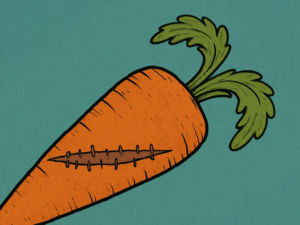
Scars on Your D? Here’s How to Treat It Like It Matters | New blog article!

Courtesy of Jelq2Grow:

Hey there,

We’ve just published an insightful new article on our JELQ2GROW blog!

Scars on Your D? Here’s How to Treat It Like It Matters

It often begins subtly. Maybe you notice your erections feel a little tighter than before—less elastic, slightly uneven. Or perhaps…

Earn 2 loyalty points when you leave a comment!

Exchange points for discounts and more—sign up for our

Rewards Program with the button below.

Penis extenders better than surgery

Less expense and side effects, and more gains!


DISCLAIMER: Please make sure you review all product/training instructions before getting started.  Consult with a medical professional before considering surgeries/medical procedures.


According to a published study by Drs. Ortera and Gontero, it appears that non-surgical lengthening via extender use is superior to surgery for penile lengthening!


Comparisons were made with 121 participants undergoing lengthening phalloplasty, while 109 participants who had used non-surgical means.


An “unacceptably high rates of complications” were noted for the surgical patients, but there appears to be no notable complications with the non-surgical candidates!


There were two particular studies performed.  In the first, an extender was worn between 4 to 6 hours a day (every day) for 4 months.  In the other study, the device was worn every day for 6 months.


From the first study, an average growth of 0.7 inches of flaccid penis length was observed. In the second, an average gains of 0.9 inches in flaccid length and 0.67 inches of erect length gains were noted.


Complications with phalloplasty surgeries


The complications from surgeries can range from mild problems to serious concerns.  This is in addition to the very high costs for any type of penis enlargement procedure- as well as the forced downtime for healing which can cause disuse/deconditioning.


Some of the more common side effects from phalloplasty surgeries are as follows:


‧ Post-op infection


‧ Nerve and tissue damage


‧ Anesthetic side effects


‧ Swelling


‧ Discoloration


‧ Loss of function


‧ Loss of sensitivity


‧ Declined libido


Given the alternatives, it makes sense to test out less invasive and expensive modes of enlargement- like EXTENDING– before considering surgery for penis enlargement.


Do you need workout routines, training devices, or just have questions for us?  Please click the button below for more details: 


Senior Sex: How to Maintain or Improve Intimacy

Sex in the Senior Years

By Mark Stibich, PhD | Updated on August 13, 2023
Medically reviewed by Isaac O. Opole, MD, PhD

This article is a repost which originally appeared on verywell health

Edited for content. The opinions expressed in this article may not reflect the opinions of this site’s editors, staff or members.

Key takeaways:

People in their 70s and 80s and beyond can continue to enjoy sex.

Striving for optimal physical and mental health can allow one to continue to enjoy sex in older age.

Issues you cannot resolve on your own should be brought to the attention of a qualified medical professional.

Many people in their 70s and 80s are not only sexually active, but satisfied with their senior sex lives.1 Though the frequency or ability to perform sexually may decline with age due to physiological changes, these don’t necessarily affect how a person experiences or enjoys sex.

Aging-related problems like erectile dysfunction (ED), vaginal dryness, or urinary incontinence can affect sex. But their impact can also be minimized by using medication, managing chronic conditions, seeking individual or couples counseling, and changing sexual practices.2

This article explores the sex lives of adults 65 and over and the problems that can interfere with sex as the body ages. It also discusses the various treatment options and ways to maintain—or even jumpstart—your senior sex life.

Sexual Activity in Older Adults

Studies suggest that men are almost twice as likely as women to still have sex or masturbate in their later years. A British study found close to 60% of men ages 70 to 80 and 31% of men ages 80 to 90 are still sexually active. In women, those figures drop to 34% and 14%, respectively.3

This lower rate of sexual activity in older women may be due to a lack of opportunity rather than a lack of desire. Research shows that older women are less likely to have partners (due in large part to the fact that they often outlive their partners). This is sometimes referred to as “the partner gap.”1

Sexual Health Problems in Older Men

It is common for men to experience sexual problems after age 40. Reasons include a natural decline in testosterone levels, heart disease, and prostate problems. The inability to achieve or sustain an erection or reach orgasm or ejaculation are common concerns.4

Erectile Dysfunction

Erectile dysfunction (ED), formerly known as impotence, is the inability to achieve or maintain an erection firm enough for sexual penetration and long enough to achieve orgasm.

While ED is more common in older men, aging itself does not cause the problem. ED is related to conditions, sometimes several at once, that directly or indirectly interfere with erections.

Risk factors include high blood pressure, diabetic nerve damage, smoking, obesity, Peyronie’s disease, depression, and even certain medications. An accurate diagnosis is needed to ensure the right treatment.5

ED drugs like Viagra (sildenafil), Levitra (vardenafil), and Cialis (tadalafil) are often the first-line treatments for ED. Lifestyle changes and counseling can also help. For some men, hormonal therapy, penis pumps, and penile implants may be recommended.
Is There a Female Viagra?

Benign Prostatic Hyperplasia

Benign prostatic hyperplasia (BPH) is a non-cancerous enlarged prostate and one of the most common health problems in older males.6 BPH can cause symptoms like difficulty urinating, frequent urination, or waking up in the middle of the night to urinate (nocturia).

On top of this, BPH can cause sexual problems like low libido (low sex drive) and delayed ejaculation (difficulty reaching orgasm).

Among the treatment options, testosterone therapy may help restore libido. There are also certain drugs used off-label that may help with delayed ejaculation, including cabergoline (originally marketed as Dostinex) and Wellbutrin (bupropion).7

Because some BPH medications can also cause sexual dysfunction, a change in the dose may help resolve these concerns.8

Sexual Health Problems in Older Women

More than a third of older women experience sexual problems. These are typically due to menopause, when estrogen levels steeply decline. Hormonal changes can lessen sexual desire and make it harder to become aroused.9

Sexual organs also change as a person gets older. A woman’s vagina will shorten and narrow. The vaginal walls become thinner and less flexible, tearing more easily. Vaginal lubrication decreases, making vaginal intercourse more painful.10

Hypoactive Sexual Desire Disorder

Hypoactive sexual desire disorder (HSDD) is diagnosed when an absence of sexual fantasies, thoughts, and desires causes personal distress. It is a problem that is common among many older women.

A medication known as Addyi (flibanserin) is used to treat HSDD in women. It is currently only approved for premenopausal women, but research shows that it can also improve libido in older women as well.11

Vaginal Dryness

Vaginal dryness is uncomfortable and can make sex painful. Over-the-counter (OTC) remedies that can help relieve irritation and itching from vaginal dryness include lubricants such as K-Y Jelly or vaginal suppositories like Replens.

If OTC remedies don’t help, your doctor may prescribe estrogen cream as well as estrogen-containing vaginal rings and vaginal suppositories.

There are also plant-based products, like black cohosh, that have estrogen-like effects. These should be used with caution in women who have had or are at risk of breast cancer.12

Pain With Sex

Painful intercourse is more likely in older women as vaginal tissue tends to thin and tear easily after menopause. Standard treatments for vaginal dryness can often help ease pain during sex.

If that is not effective, prescription drugs like Osphena (ospemifene) and Intrarosa (prasterone) can treat thinning vaginal tissues and help relieve moderate to severe vaginal dryness.12

Pelvic Organ Prolapse

The pelvic floor muscles and tissues hold the bladder, uterus, cervix, vagina, and rectum in place. Pelvic organ prolapse (POP) occurs when the pelvic floor weakens, causing the pelvic organs to drop and bulge (prolapse) in the vagina. This can cause pelvic pain and pressure, pain with sex, and urinary incontinence.13

POP is often treated with pelvic floor physical therapy to strengthen the supporting muscles. In some cases, surgery may be needed.14

Other Health Concerns

Chronic medical conditions become more common as a person ages. Many of these can interfere with an older person’s sex life.
Arthritis and Chronic Pain

Arthritis and other chronic pain conditions are common among older adults and can make sex very difficult. Depending on the cause, doctors may recommend physical therapy to strengthen muscles and improve flexibility.

Nonsteroidal anti-inflammatory drugs (NSAIDs), both over-the-counter and prescription, can be taken before sex to help ease the pain. Opioid drugs, while effective as a pain reliever, can cause a drop in testosterone and contribute to ED.15

If the pain only occurs in certain sexual positions, let your partner know and try different positions. Bolstering your bodies with pillows and cushions can also help.

Diabetes

In the United States, almost one-third of adults over 65 have diabetes. Approximately half of these are undiagnosed.16

Diabetes can cause sexual dysfunction in both men and women. This can be due to circulation problems, medication side effects, or nerve damage. Problems include:17

  Low libido
Difficulty with arousal
Erectile dysfunction
Painful intercourse
Reduced genital sensation
Urinary tract infections
Yeast infections

The best way to reduce the impact of diabetes is to gain control of your blood sugar. Speak with your doctor if you have difficulty managing your blood sugar, and be sure to mention any sexual health problems you may be having. It’s important for your doctor to know.

Heart Disease

Older age is the greatest risk factor for heart disease.18 Heart disease causes problems as arteries start to narrow and harden (referred to as atherosclerosis). This reduces blood flow throughout the body, including the pelvis and genitals, resulting in sexual dysfunction in both men and women.

Heart disease is one of the leading causes of erectile dysfunction in men. It can also cause women to have difficulty achieving orgasm due to the decreased blood flow to the genitals.

There is no one way to resolve these issues, but there is evidence that statin drugs used to reduce the risk of heart disease can improve erectile dysfunction in some men.19 Some studies suggest that similar approaches may improve sexual function in women with heart disease.20

People with heart disease may also be nervous about sex due to fear of a heart attack. While sexual activity is generally safe, talk to your health provider if you are concerned.21

Obesity

Today, more than 40% of adults over 65 meet the definition of obesity.22 Research shows that women who are obese are more likely to experience sexual dysfunction than non-obese women.23 In addition, obesity increases the odds of erectile dysfunction in men.20

These issues may be directly related to higher rates of diabetes among people who are obese as well as reduced blood circulation due to atherosclerosis.24

Weight loss, achieved with a healthy diet and routine exercise, is considered the best strategy to overcome obesity. It may also improve a person’s self-image and sense of well-being while making sex easier to navigate.

Urinary Incontinence

Urinary incontinence is the loss of bladder control. This becomes more common with age, especially in women.

Incontinence can be embarrassing and make sex awkward. Women who experience stress incontinence may be afraid to orgasm. Extra pressure on the abdomen during intercourse can also cause urinary leakage.

If you have incontinence, empty your bladder before sex. Changing sexual positions can help prevent urinary leakage by avoiding the compression of the bladder. Pelvic floor exercises can also help strengthen the muscles that aid with urine control.

Medications

Some medications used in older adults can cause sexual dysfunction in both men and women. These include:25

  Antidepressants
  Antihistamines
  Chemotherapy
  Diuretics (“water pills”)
  High blood pressure medicines
  Opioid painkillers

If you are having sexual difficulties, let your doctor know and advise them of any drugs you are taking, including over-the-counter, prescription, or recreational.

Lifestyle and Mental Health

Lifestyle and mental health issues can also contribute to sexual problems in older adults. These issues can be just as difficult—and sometimes even more difficult—to overcome than physical ones. If you are faced with any of these issues, there are things you can do to turn them around.
Alcohol

For some people, drinking a glass of wine helps them relax and get in the mood. However, too much alcohol can end up impairing sexual function. According to the National Institute on Drug Abuse, alcohol is the most-used drug among older adults, with 65% of people 65 and older reporting high-risk drinking.26

Alcohol can impair a man’s ability to get an erection, cause premature ejaculation, or delay orgasm.27 In women, too much alcohol can make it difficult to climax.2

Reducing the amount you drink can help, but if you are unable to control your alcohol use, speak to your doctor about treatment options.

Depression

In the United States, between 5% and 10% of adults over 65 are estimated to be depressed.28 This can lead to many health concerns, including sexual dysfunction.29

In people with depression, neurotransmitters—chemical messengers that send signals between the brain and body—are out of balance. This can affect sexual desire, arousal, and orgasm. Ironically, medications used to treat depression can have the same effects.

While the benefits of antidepressants often outweigh the risks, therapy and counseling may offer a reasonable option for those with mild depression.

Stress

Stress can be a contributing factor to sexual dysfunction. Financial worries and health concerns are just some of the common stresses affecting older adults.

To relieve stress (and the effect it has on your sex life), consider stress management techniques like mindful breathing, tai chi, yoga, and meditation. Research shows practicing mindfulness and meditation can ease the effects of stress and improve overall feelings of well-being.30 This alone may help improve sex.

In addition, seek professional assistance from financial advisors, health advocates, and social workers to help better deal with the other stresses in your life.

Relationship Issues

Lack of sexual intimacy is often related to relationship problems. If you are and your partner are not connecting emotionally, it can lessen your desire to be intimate.

On the flip side, studies show that older couples who engage in sexual intercourse with their partner are likely to share a closer relationship. Moreover, closeness to one’s partner has been shown to increase overall well-being.31

While this issue is not unique to older couples, many people find talking to a marriage counselor can help them work through relationship issues and rekindle sexual feelings and attraction.

Self-Image

With age can come weight gain and other body changes that may affect one’s sense of physical attractiveness. Self-consciousness can spill over into the bedroom and affect a person’s confidence during sex.

A 2019 study among older women found that those who were self-conscious about their bodies reported less sexual satisfaction. By contrast, those who had greater self-acceptance of their bodies irrespective of weight or aging-related changes had a more satisfying sex life.32

Self-acceptance is ultimately the key. Working with a therapist, either alone or as a couple, can help you discuss your feelings openly and find a way to embrace a more positive self-image.

How to Maintain a Healthy Sex Life

The benefits of maintaining your sex life as you age are physical and emotional. Being sexually active is associated with a lower risk of medical conditions and a longer life. It’s also associated with a greater sense of happiness and overall well-being.3

If your sex life has become stagnant and you’d like to rev it back up, here are a few things you can do.

Communicate

Good sex begins with good communication. Couples who have been together a long time often think they know what the other is thinking. But no one is a mind reader.

Talk to your partner about any concerns you have. You may feel as though your mate is no longer attracted to you because sex has become infrequent, when in fact they are experiencing a decline in sexual interest.

In addition, as sex organs change with age, what felt good before may no longer feel good or may even be painful. Be open with your partner about these changes.

Communicating about sex can be challenging at any age, however. If you and your partner struggle to talk about sex, consider seeing a sex therapist.

Redefine Sex

Sex, as you get older, may need to change. But different can still be good, if not better. With an empty nest and possibly retirement, there’s more time and privacy to explore.

Research shows older adults have a broader definition of sexual activity than younger adults.33 In other words, they better understand that there is more to sex than just intercourse. Foreplay on its own can be quite satisfying.

Be creative and willing to try new things.

Rethink Intimacy

Sex isn’t just physical. It’s an emotional expression of intimacy. As you grow older, sexual intimacy changes. What this means to you and your partner may need to be redefined.

Emotional intimacy can be expressed through non-sexual physical touch. Examples of non-sexual physical touch include:

  Back rubs
  Cuddling
  Holding hands
  Hugging
  Placing your hand on your partner’s shoulder or arm
  Playful nudges
  Sitting next to each other
  Touching feet under the table

Another non-sexual way to build emotional intimacy is spending quality time together. Things you can do:

  Go out on dates with other couples.
  Look through old photos and reminisce.
  Play cards, board games, or word games.
  Read aloud to each other.
  Play music together.
  Travel, explore new places.
  Visit with friends or family.

Just Do It

Instead of waiting for the desire to strike, experts recommend that older adults just go for it. This is because sex has physical and emotional benefits. Orgasms release oxytocin, a hormone that induces a state of calm and improves sleep.

Even if you’re not in the mood, having sex can set the stage for more sex in the future. This is especially true for women. Having sex regularly helps increase natural lubrication and vaginal elasticity. It may also improve erections in men.

Summary

Older age can lead to sexual problems in different ways. Age alone increases the risk of erectile dysfunction, delayed ejaculation, low libido, vaginal dryness, and pelvic organ prolapse. Medical conditions like arthritis, diabetes, heart disease, obesity, and incontinence can also directly or indirectly interfere with sex.

Lifestyle and emotional issues that can impair sexual function in all ages can become even more profound in adults 65 years and older. These include stress, depression, negative self-image, relationship problems, and alcohol abuse.

By working with a doctor or therapist, you can overcome many of these concerns and improve not only your quality of life but your sex life as well. Keeping open lines of communication and embracing change as a natural part of life can also help keep your sex life fresh as you approach your later years.

Verywell Health uses only high-quality sources, including peer-reviewed studies, to support the facts within our articles. Read our editorial process to learn more about how we fact-check and keep our content accurate, reliable, and trustworthy.

1. University of Michigan Institute for Healthcare Policy and Innovation. Let’s talk about sex.

2. National Institute on Aging. Sexuality in later life.

3. Lee DM, Nazroo J, O’Connor DB, Blake M, Pendleton N. Sexual health and well-being among older men and women in England: findings from the English longitudinal study of ageing. Arch Sex Behav. 2015;45(1):133-144. doi:10.1007/s10508-014-0465-1

4. Shigehara K, Kato Y, Iijima M, et al. Risk factors affecting decreased libido among middle-aged to elderly men; Nocturnal voiding is an independent risk factor of decreased libido. Sex Med. 2021 Oct;9(5):100426. doi:10.1016/j.esxm.2021.100426

5. National Institute of Diabetes and Digestive and Kidney Diseases. Symptoms & causes of erectile dysfunction.

6. National Institute on Aging. Prostate problems.

7. Abdel-Hamid IA, Elsaied MA, Mostafa T. The drug treatment of delayed ejaculation. Transl Androl Urol. 2016;5(4):576-591. doi:10.21037/tau.2016.05.05

8. National Cancer Institute. Understanding prostate changes: a health guide for men.

9. Harvard Health Publishing. Yes, you can have better sex in midlife and in the years beyond.

10. Szymański J, Słabuszewska-Jóźwiak A, Jakiel G. Vaginal aging—What we know and what we do not know. Int J Environ Res Public Health. 2021 May;18(9):4935. doi:10.3390/ijerph18094935

11. Portman DJ, Brown L, Yuan J, Kissling R, Kingsberg SA. Flibanserin in postmenopausal women with hypoactive sexual desire disorder: Results of the PLUMERIA study. J Sex Med. 2017;14(6):834-842. doi:10.1016/j.jsxm.2017.03.258

12. Naumova I, Castelo-Branco C. Current treatment options for postmenopausal vaginal atrophy. Int J Womens Health. 2018;10:387-395. doi:10.2147/IJWH.S158913

13. Department of Health and Human Services: Office on Women’s Health. Pelvic organ prolapse.

14. Duralde ER, Rowen TS. Urinary incontinence and associated female sexual dysfunction. Sex Med Rev. 2017;5(4):470-485. doi:10.1016/j.sxmr.2017.07.001

15. Marudhai S, Patel M, Valaiyaduppu Subas S, et al. Long-term opioids linked to hypogonadism and the role of testosterone supplementation therapy. Cureus. 2020;12(10):e10813. doi:10.7759/cureus.10813

16. Kalvani RR, Golden SH, Cefalu WT. Diabetes and aging: unique considerations and goals of care. Diabetes Care. 2017 Apr;40(4):440–3. doi:10.2337/dci17-0005

17. American Diabetes Association. Sex and diabetes.

18. Steenman M, Lande G. Cardiac aging and heart disease in humans. Biophys Rev. 2017 Apr;9(2):131–7. doi:10.1007/s12551-017-0255-9

19. Kosti JB, Dobrzynski JM. Statins and erectile dysfunction. World J Mens Health. 2019 Jan;37(1):1–3. doi:10.5534/wjmh.180015

20. Nascimento ER, Maia ACO, Pereira V, Soares-Filho G, Nardi AE, Silva AC. Sexual dysfunction and cardiovascular diseases: a systematic review of prevalence. Clinics (Sao Paulo). 2013 Nov;68(11):1462–8. doi:10.6061/clinics/2013(11)13

21. Penn Medicine. Sex and your heart: What to know about intimacy and heart disease.

22. Hales CM, Carroll MD, Fryar CD, Ogden CL. Prevalence of obesity and severe obesity among adults: United States, 2017-2018. NCHS Data Brief. 2020;360.

23. Mozafari M, Khajavikhan J, Jaafarpour M, et al. Association of body weight and female sexual dysfunction: a case control study. Iran Red Crescent Med J. 2015;17(1):e24685. doi:10.5812/ircmj.24685

24. Ho JH, Adam S, Azmi S, et al. Male sexual dysfunction in obesity: the role of sex hormones and small fibre neuropathy. PLoS One. 2019;14(9):e0221992. doi:10.1371/journal.pone.0221992

25. Conaglen H, Conaglen J. Drug-induced sexual dysfunction in men and women. Aust Prescr. 2013;36(1):42-45. doi:10.18773/austprescr.2013.021

26. National Institute on Drug Abuse. Substance use in older adults DrugFacts.

27. Prabhakaran DK, Nisha A, Varghese PJ. Prevalence and correlates of sexual dysfunction in male patients with alcohol dependence syndrome: a cross-sectional study. Indian J Psychiatry. 2018;60(1):71-77. doi:10.4103/psychiatry.IndianJPsychiatry_42_17

28. Cheruvu VK, Chiyaka ET. Prevalence of depressive symptoms among older adults who reported medical cost as a barrier to seeking health care: findings from a nationally representative sample. BMC Geriatr. 2019;19(1):192. doi:10.1186/s12877-019-1203-2

29. National Institute of Aging. Depression and older adults.

30. Goyal M, Singh S, Sibinga EM, et al. Meditation programs for psychological stress and well-being: a systematic review and meta-analysis. JAMA Intern Med. 2014;174(3):357–68. doi:10.1001/jamainternmed.2013.13018

31. Smith L, Yang L, Veronese N, Soysal P, Stubbs B, Jackson SE. Sexual activity is associated with greater enjoyment of life in older adults. Sex Med. 2019 Mar;7(1):11–8. doi:10.1016/j.esxm.2018.11.001

32. Gillen MM, Markey CH. A review of research linking body image and sexual well-being. Body Image. 2019;31:294-301. doi:10.1016/j.bodyim.2018.12.004

33. Hinchliff S, Tetley J, Lee D, Nazroo J. Older adults’ experiences of sexual difficulties: Qualitative findings from the English longitudinal study on ageing (ELSA). J Sex Res. 2018;55(2):152-163. doi:10.1080/00224499.2016.1269308


The Impact of Erectile Dysfunction and Peyronie’s Disease on Men’s Lives

By Sarah Lowe – June 9, 2023

This article is a repost which originally appeared on PR NEWS BLOG

Edited for content. The opinions expressed in this article may not reflect the opinions of this site’s editors, staff or members.

Key Points

‧ ED sufferers often have challenges maintaining sexually healthy relationships.

‧ Peyronie’s can be painful when the bend get severe enough.

‧ Men should realize they are not alone in their suffering with ED and Peyronie’s.

Men’s sexual health is crucial for their general well-being. Most men feel confident in their usual day to day life when their sexual function is working properly. Unfortunately, there are some medical conditions that can cause a pernicious impact on sexual function in men. Peryronie’s disease and Erectile Dysfunction happen to be two such medical conditions that can cause abject misery to sufferers. (https://www.russillo.com/) Erectile Dysfunction is identified by the inability of achieving and maintaining erection during sexual activity and Peyronie’s disease is identified by the curvature of the penis which causes pain during erection. Issues like these can have a monumental, negative impact on men’s lives. In this article, we will try to explain how ED and PD can negatively affect the lives of men.

Physical Implications:

1. Erectile Dysfunction:

ED can hinder sexual performance and intimate relationships, leading to frustration, disappointment, and loss of sexual confidence. The physical inability to engage in sexual activities can strain relationships and cause feelings of inadequacy, guilt, and shame. Additionally, the stress and anxiety associated with ED can further exacerbate the condition, creating a vicious cycle.

2. Peyronie’s Disease:

Peyronie’s disease not only causes physical pain during erections but can also result in a significant penile curvature, making sexual intercourse difficult or impossible. The discomfort and embarrassment associated with the condition can lead to decreased sexual desire and avoidance of intimacy in men with PD altogether. Moreover, the distorted appearance of the penis may prevent sexual intercourse and cause self-consciousness and a negative body image, leading to feelings of isolation and depression.

Emotional and Psychological Impact:

1. Erectile Dysfunction:

The emotional toll of ED can be profound, causing feelings of frustration, low self-esteem, and depression. Men may feel inadequate and worry about their ability to satisfy their partners, leading to anxiety and performance-related stress. The fear of rejection or judgment can further contribute to emotional distress and hinder the development of healthy sexual relationships.

2. Peyronie’s Disease:

The psychological consequences of Peyronie’s disease can be equally debilitating. Men may experience embarrassment and ignominy due to the abnormal curvature of their penis. They may avoid seeking intimate relationships or withdraw from existing ones, fearing judgment or rejection. This isolation can result in feelings of loneliness, depression, and a loss of overall well-being.

Relationship Challenges:

1. Erectile Dysfunction:

ED can strain relationships, leading to communication breakdown, frustration, and a decline in emotional and physical intimacy. Partners may feel unattractive or blame themselves for their partner’s condition, causing feelings of inadequacy on both sides. The lack of sexual satisfaction and connection can lead to emotional distance, resentment, and, in severe cases, even relationship breakdowns. So, dating with Erectile Dysfunction can be very dangerous.

2. Peyronie’s Disease:

The physical and emotional challenges posed by Peyronie’s disease can also impact relationships. The pain and curvature associated with the condition may make sexual intercourse uncomfortable or impossible, leading to frustration and decreased intimacy. Partners may struggle to understand and support the affected individual, adding strain to the relationship. Open communication, empathy, and seeking professional help are crucial to navigate these challenges.

Seeking Help and Treatment Options:

1. Erectile Dysfunction:

It is important for men experiencing ED to recognize that they are not alone and that effective treatments are available. Seeking help from healthcare professionals, such as urologists or sexual health specialists, can provide a comprehensive evaluation of the underlying causes and appropriate treatment for Erectile Dysfunction. These may include lifestyle changes, medication, psychotherapy, surgical interventions or modern non-invasive treatments. Non-invasive treatments like shockwave therapy for ED and EMTT therapy have become very popular in recent years because of their ease of use and very little side-effects.

2. Peyronie’s Disease:

Men with PD should consult with a urologist specializing in sexual medicine or a Peyronie’s disease specialist. Treatment options may include oral medication, injectable medications, shockwave therapy or surgery, depending on the severity of the condition. Though shockwave therapy for Peyronie’s disease is a relatively new treatment option, it is very effective in breaking down the plaques within the penis. Psychological support and counselling can also play a crucial role in managing the emotional and psychological impact of the disease. For more information about Peyronie’s Disease, visit https://peyroniesforum.co.uk/

Conclusion:

So, men can suffer from Peyronie’s disease and ED both physically and mentally. If a man is experiencing these sexual issues, then it becomes really hard for him to maintain a healthy relationship with his partner and also to stay focused in day-to-day tasks. Fortunately, there are a wide range of treatments available to aid men in these kinds of scenarios. But just like any other treatment options, it’s advisable to get these treatments from reputable clinics who have prior experiences in treating these kinds of sexual issues in men. One such clinic is Shockwave Clinics Ltd. It is a London based clinic which specializes in treating ED, PD and other male sexual issues using revolutionary shockwave therapy. The clinic also offers other non-invasive treatments like EMTT therapy, Tesla Chair and NanoVi.

How Men Can Take Care of Their Sexual Health

What Men Can Do to Ensure Their Sexual Health Is Strong

Mental and physical care are both critical to a man’s libido and reproductive well-being.

Author: Helen Massy
Published: March 06, 2023

This article is a repost which originally appeared on Giddy

Edited for content. The opinions expressed in this article may not reflect the opinions of this site’s editors, staff or members.

Key Points

‧ Maintaining good sexual health is important for men.

‧ Mental health will have a large impact on sexual well-being.

‧ 20-30% of men in their 20s and 30s experience some form of ED.

Sexual health is an essential part of every man’s life. As well as protecting yourself from sexually transmitted infections (STIs) and diseases (STDs) or preventing unwanted pregnancies, sexual health is about having safer, satisfying sex and a positive and respectful approach to sexuality and relationships.

Understanding how to look after your sexual health benefits both you and your partner.

The best place to start is by getting to know your body and your reproductive system, and what’s normal and what’s not normal. This way, you can quickly identify any problems and seek medical support to address them.

There are multiple aspects to men’s sexual health, including physical health and mental health. Lifestyle factors influence all of these elements, either in a positive or negative way.

Men’s health and sexual health

A few of the essential aspects of a male’s sexual health are desire, erections and endurance, explained James J. Elist, M.D., a urologist in Beverly Hills, California, who specializes in impotence and male sexual dysfunction.

Being sexually healthy enables a man to fully participate in and enjoy sexual activity.

The body can’t just rely on physical health to create desire, erections and endurance, though. Physiology, mental health and emotional health can affect both libido and sexual function.

Male sexual health isn’t just about the ability to enjoy sex. It’s also about preventing STIs/STDs and identifying any problems with fertility. It’s about understanding how to prevent unwanted pregnancies and ensuring sex is consensual, respectful and safe for both partners.

Mental health and men’s sexual health

Mental health can directly impact sexual health and vice versa.

“Low libido, erectile dysfunction [ED] and premature ejaculation can all be exacerbated by negative mental health experiences, whether that’s traumatic experiences, relationship or professional workplace stress, depression or anxiety,” Elist said.

He explained that those negative mental health experiences can lead to worsened sexual performance, which in turn leads to more strains on mental health, driven by decreased self-confidence and self-worth as a result of poor performance in bed.

This leads to a negative cycle in which one feeds into the other.

“As such, it’s important to seek solutions early on to prevent any issues from worsening. Taking care of one’s mental health through therapy, meditation, etcetera can often improve sexual health issues as well,” Elist said.

If you find your mental health is affecting your sexual health, or problems with sex or sexuality are affecting your mental health, you can explore a number of options with your healthcare provider to address either issue.

Physical health and men’s sexual health

“It all begins with male libido,” Elist said of the connection between physical health and sexual health. “A man must have the desire to engage in sexual activity in the first place.”

Unfortunately, he said, as guys get older, libido tends to decrease as testosterone decreases. Obviously, for a man to be able to perform sexually, he must be able to achieve and maintain an erection. You can take steps to address this issue.

“As with testosterone and libido, erectile function also relies on staying healthy, particularly maintaining cardiovascular health, avoiding cigarettes and exercising frequently to get the blood pumping,” Elist said.

Once a man achieves an erection, he must maintain the erection and be able to last long enough to enjoy a sexually satisfying experience for both himself and his partner.

“Often, premature ejaculation can get in the way, which is why it’s important to limit stress and practice pelvic floor exercises if that’s an issue an individual deals with,” he said.

There is no need to suffer in silence if you have any problems with your libido, erection, ejaculation or performance. Seek help from your healthcare provider if you are experiencing problems, as many treatment options are available to help you feel comfortable and satisfied when having sex.

What’s a ‘normal’ sex drive?

Sex drive varies depending on a man’s age. Elist explained what happens to libido across the stages of life:

‧ In his early 20s, an individual can desire sex almost daily.

‧ Starting in his mid-30s, an individual’s testosterone levels begin to decrease by approximately 1 percent per year.

‧ Upon reaching his 60s, sexual desire may lessen even further for many men.

While there’s no “normal” level of sex drive for men, Elist stressed it is normal for levels to decrease over time.

“However, that trend can be partially mitigated and offset through regular exercise, eating healthy and maintaining a consistent sleep schedule,” he said.

Sexual health and reproductive health

“There are various issues that can impact an individual’s reproductive health and fertility, from stress to smoking to excessive testosterone use,” Elist explained.

To look after reproductive health, men should undertake a testicular self-exam routinely to ensure that there are no signs of lumps or tumors. Cancer is obviously a concern here, but fertility comes into the picture, too.

Testicular self-exams and examinations by a physician can help men identify the presence of a varicocele, a dilated vein inside the scrotum that can increase the temperature of the testicles and negatively affect sperm development, according to Elist.

Sperm counts decrease by an estimated 40 percent for every degree the testicles rise in temperature.

Elist also highlighted that the excessive use of testosterone or androgens could damage the testicles. Tobacco and frequent marijuana use can also decrease sperm count. All of these factors should be considered if a man is experiencing fertility issues.

Your healthcare provider can use various tests to help establish fertility problems, including the following:

‧ STI/STD testing
‧ Semen analysis
‧ Urinalysis
‧ Hormone testing
‧ Ultrasound scans
‧ Testicular biopsies

Complications and related conditions

The most common male sexual dysfunctions men should be aware of, according to Elist, include:

‧ Low testosterone
‧ Low libido
‧ Erectile dysfunction
‧ Premature ejaculation

ED is an issue that impacts more than half of all men at some point in their lives.

“While many think erectile dysfunction is an issue that only affects older men, it can actually impact 20 percent to 30 percent of men in their 20s and 30s,” Elist said.

Premature ejaculation is an issue that impacts nearly 40 percent of all men.

“It is characterized by sexual activity that often lasts one minute or less and sexual experiences which cause stress and frustration,” Elist explained.

You can address premature ejaculation issues with a combination of solutions that could include meditation, pelvic floor exercises, supplements, lidocaine sprays or prescription SSRIs, or selective serotonin reuptake inhibitors.

“Other issues, such as delayed ejaculation, retrograde ejaculation and Peyronie’s disease, are less common, but if an individual is experiencing any of those issues, then it’s important to discuss them with a urologist,” he added.


It’s Time to Believe Smoking Harms Men’s Sexual Health

Please Start Believing Smoking Harms Men’s Sexual Health

Tobacco products are linked to numerous issues, from ED to Peyronie’s and infertility.
Author: Kate Daniel
Published: January 09, 2023

This article is a repost which originally appeared on Giddy.

Edited for content. The opinions expressed in this article may not reflect the opinions of this site’s editors, staff or members.

Key Points

‧ Smoking is no longer is portrayed in the glamorous way it was in the past.

‧ Smoking can have a serious impact on men’s sexual health.

‧ Smoking can cause a decline in fertility.

Xiaflex’s Odd ‘Bent Carrot’ Ad Sparks Penile Health Awareness

An Ad About Penile Health Has Added New Meaning to the Term ‘Bent Carrot’

Xiaflex’s first campaign offers a healthy visual

By Leonardo Faierman

November 17, 2021

This article is a repost which originally appeared on ADWEEK

Edited for content.

A new pharmaceuticals ad is prompting conversations surrounding its eyebrow-raising use of a slightly misshapen root vegetable.

Prescription medication Xiaflex’s first-ever TV ad, titled “Bent Carrot,” recently prompted some awareness of Peyronie’s Disease, a condition stemming from repeated injuries that leads to a significantly bent or curved penis. The spot sees a man and woman in a kitchen, standing before a stack of carrots. The topmost carrot is prominently bent, which elicits notably concerned glances from the couple.

While the carrot serves as a mild metaphor for Peyronie’s Disease, the remainder of the spot goes on to break down the cause and treatment of the condition, a regimen that includes injections and, per the ad, “daily penile-stretching and -straightening exercises.”

“We’re bringing awareness and education about treatment to consumers—part of Endo’s long-standing commitment to addressing men’s health issues,” said Thomas Kolaras, senior vp and general manager of Medical Therapeutics at parent company Endo, in a statement.

“Through this eye-catching, multi-channel campaign, we’re encouraging men with possible signs of Peyronie’s Disease to start a conversation with a urologist about their symptoms and about whether Xiaflex could be an option.”

The root (veggie) of the message

Of course, the symbolic produce, which the brand hopes will help destigmatize the condition, allows Xiaflex to safely advertise the product on various platforms. Still, the minute-long spot’s juxtaposition of the bent carrot along with its frank suggestions of targeted stretching and exercises has drawn some colored commentary online.

“What exactly are “stretching and straightening” exercises,” one YouTube commentator jokes. “My husband thinks I’ve lost my mind because I laugh every time this commercial comes on.” Another commentator—this time on Twitter— notes that the bent carrot might not “convince anyone,” likely referring to the seriousness of the condition.

In addition to TV, “Bent Carrot” is also currently airing digitally and on radio and audio streaming platforms.


Curvatures; Stretching Angles: Ask The Experts

Curvatures; Stretching Angles: Ask The Experts

Big Al, of MaleEnhancementCoach.com, answers questions about curvatures and stretching angles.

If you have questions you’d like answered in an Ask the Experts article, please PM Big Al.

Q. I have a slight curve in my penis which bends to the right.

I’m right-handed, if that matters. The curve isn’t due to Peyronie’s nor does it bother me much, but I want to straighten it out anyway. What method do you recommend to accomplish this goal?

Al: The type of curvature you describe was once colloquially termed a “hand made dick”. This is due to masturbation AKA “handling”- usually with the dominant hand. Performed vigorously and often enough, tissues will tend to get stretched on the opposite side- leading to this condition. The least invasive way to counter this issue would be to use the opposite hand for the majority of your work (in this case, your left hand), and make a concerted effort to pull towards the left. If this fails to yield satisfactory results after some weeks, more concerted means of correcting the curve should be looked into- like Erect Bends.


Q. When doing my stretches, I perform them seated and point my penis towards the floor.

I’ve also been experimenting with adjusting the angles of stretch in this position. What angles do you suggest for getting the most out mo my stretches?

Al: You can stretch at most any angle to better target specific aspects of the penis. An example: some stretch straight up as they feel this pulls more of the “inner penis” out by its root. If you’re looking to better target the suspensory ligament, leaning back slightly will give you a more intense stretch. Some prefer to stretch pulling towards the rear- in a “between the cheeks” (BTC) manner.  An extreme version of this is the LAS (Lazy Ass Stretch)- where you actually sit on your penis [The difference between BTC ands LAS Stretches].

It’s recommended you reduce the amount of reps and force when testing out new angles. Really focus on the FEEL of the stretch to determine where it’s having the most impact.

You’ll need to test out the various possibilities to see what works best for your goals.

Peyronie’s Disease and Your Sex Life: 7 Things to Know

7 Ways Peyronie’s Disease Can Affect Your Sex Life

Medically reviewed by Joseph Brito III, MD — Written by Cathy Lovering on February 19, 2021

This article is a repost which originally appeared on Healthline

Edited for content

Peyronie’s disease is when plaques (scar tissue) form under the skin of the penis and cause it to bend. Living with this condition often includes pain and changes to sexual function that can affect personal intimacy, your relationships, and mental health.

Understanding the ways Peyronie’s disease can affect your sex life and partner can help you know what to expect from the disease, along with how treatment options can help.

Here are seven things to know about Peyronie’s disease and sex.

1. Getting and keeping an erection can be challenging

Erectile dysfunction is more common among people with Peyronie’s disease. A 2020 study on 656 men who were receiving care at a urology clinic in Brazil found that nearly 60 percent of men with Peyronie’s disease had erectile dysfunction, compared with 46 percent of men without the condition.

There are a few possible reasons for the connection between Peyronie’s disease and erectile dysfunction. For some, the scarring can make it difficult to get an erection.

Erections can also be challenging if the nerves or blood vessels of the penis have been damaged by inflammation or trauma to the penis, which is associated with Peyronie’s disease.

Many people living with Peyronie’s experience anxiety and depression because of the condition. These feelings can also lead to challenges with sexual function, so the symptoms often compound each other.

Finally, pain (especially during the active phase of the disease) can contribute to erectile dysfunction for some people with Peyronie’s.

2. Your partner may experience pain and discomfort

Peyronie’s disease often causes pain during erections. But that condition doesn’t only cause pain to those living with it — it can also make sex uncomfortable for their partners.

A 2020 study found that nearly half of the female sexual partners of men with the condition experienced at least moderate pain or discomfort during vaginal intercourse.

In some cases, couples couldn’t engage in certain sexual activities they enjoyed before the onset of Peyronie’s.

With that being said, the appearance of your penis might not be as much of an issue to your partner. The research found that nearly 60 percent of men with Peyronie’s disease were very or extremely bothered by how their erect penis looks, while just 20 percent of their female sexual partners felt the same way.

3. Communication can help couples cope

While it can be difficult to talk about Peyronie’s disease, communication is key to maintaining intimacy with your partner and finding new ways to be sexual.

Here are some ways to make the conversation easier, according to the Association of Peyronie’s Disease Advocates (APDA):

  • Discuss the condition and its effects over several conversations. Don’t feel like you have to cover everything in one sitting.
  • Your feelings and symptoms can change over time, so you may need to revisit topics in future conversations. Try to be honest about what you’re going through.
  • Make sure the conversation is a dialogue, not a monologue. As much as you share your concerns, listen to your partner express how your condition is affecting them, as well.

The APDA also encourages people with Peyronie’s disease to involve their partners in exploring treatment options and going to doctor’s appointments.

4. Couples may need to explore new forms of intimacy

If Peyronie’s disease is making it challenging to have sex the way you’re used to, it might be time to explore new techniques.

Partners can use different positions or explore other forms of intimacy and pleasure besides intercourse to achieve satisfaction.

Speaking with a sex therapist or counselor can help both people in the relationship share their sexual needs and desires and work through challenges in the relationship.

5. Over-the-counter (OTC) medication can provide pain relief

Treatments for Peyronie’s disease, which range from injections to surgery and penile implants, usually have the goal to reduce curvature and improve sexual function.

However, not all people with the condition need medical treatments. If pain is your main symptom, OTC pain relievers, such as nonsteroidal anti-inflammatory drugs (NSAIDs) like ibuprofen (Advil) or naproxen (Aleve), may be all you need to have a more comfortable erection.

6. Treatments can boost sexual satisfaction

There are a number of surgical and nonsurgical treatments for Peyronie’s disease. While they’re typically focused on reversing curvature and breaking up plaques, some treatments have the added benefit of boosting satisfaction for partners of people with the condition.

A 2020 review of small studies found that 70 percent of female partners of men with Peyronie’s disease who were treated with collagenase clostridium histolyticum injections experienced higher sexual satisfaction.

Female partner sexual satisfaction also climbed by 34 percent to 88 percent when men were treated with penile plication, 90 to 100 percent after they underwent plaque incision or partial excision with grafting, and 40 to 75 percent after penile prosthesis implantation (a treatment typically reserved for people with severe Peyronie’s disease and erectile dysfunction).

It’s important to note that available research only surveyed women who were intimate with men with Peyronie’s disease, so further study is needed to determine how the condition and treatments can affect non-female partners.

7. Talking with others can make you feel better

The psychological impacts of Peyronie’s disease can affect your emotional well-being, as well as your ability to be intimate.

According to APDA, the condition can change the way a person sees themself and hurt their self-confidence.

People with Peyronie’s disease may avoid intimacy, lose interest in sex, and withdraw emotionally. This can cause a range of psychological challenges for both people in the relationship.

Overcoming emotional and social isolation can help reduce the impact of the condition on your sex life and overall well-being. Consider talking with others who are living with the condition or joining a support group.

A mental health professional, such as a psychologist or a therapist, can also give you a safe space to work through concerns and find ways to cope.

Takeaway

Peyronie’s disease can make a big impact on a person’s sex life, both due to the physical symptoms and the emotional impacts of the condition.

The condition can also make an impact on your partner’s comfort and satisfaction during sex.

Exploring treatment options, having open and honest conversations, and seeing a sex therapist are some of the ways to reduce the effects of Peyronie’s disease on intimacy.

You may also consider joining a support group to connect with others who have the condition.

Healthline has strict sourcing guidelines and relies on peer-reviewed studies, academic research institutions, and medical associations. We avoid using tertiary references. You can learn more about how we ensure our content is accurate and current by reading our editorial policy.

Types of penises: Shape, size, circumcision, and more

What to know about types of penises

Medically reviewed by Joseph Brito III, MD — Written by Mathieu Rees on November 23, 2020

This article is a repost which originally appeared on MEDICAL NEWS TODAY

Edited for content

The penis is a male organ with functions that include reproduction and urination. As with any body part, no two people have the same penis.

The penis has two main features. The body, or shaft, connects the penis to the abdomen. At the opposite end of the shaft is the glans, or head.

This article lists some common types of penises, categorized primarily by measurement, and provides some related information.

Length

Penises come in different lengths when flaccid or erect.

Estimates about average penis length can vary. For example, one 2014 study looked at the penis size of United States males. It found that the average erect length was around 5.6 inches.

However, another article suggests there are issues with many penis length studies, including the fact that participants self-report measurements.

These studies use self-reported data and are therefore subject to bias, which likely fuels the widespread belief that the average penis size is closer to 6 inches. In reality, the average is likely to be lower

Girth

Penises also have different girths or circumferences.

A 2014 study into the penis size of U.S. males found that the average erect girth was around 4.8 inches.

However, as with penis length, a person should note that many penis girth studies use self-reported measurements, which are known to be fairly unreliable.

Curvature

Some penises are completely straight when erect. However, many have a bend or curvature. There are three main types of curved penis. These include penises that:

  • curve upwards from its base
  • curve downwards from its base
  • curve to the left or right

Additionally, some people may have multiple kinds of curvature. For instance, some penises may curve to the left and upwards.

Penile curvatures are common and typically benign. They are rarely painful and do not usually make penetrative sex more difficult.

However, abnormal penile curvature can sometimes be a symptom of Peyronie’s disease. One review lists the following as possible symptoms:

  • a thickened area, or plaque, in the penile shaft
  • curvature of the penis during erection
  • pain in the penis
  • erectile dysfunction

Scientists are not sure what causes Peyronie’s disease.

One common explanation is that the condition results from mild, recurring trauma to the penis. This can occur during intercourse or masturbation.

Peyronie’s disease can also be due to a rupture in the penis, known as a penile fracture. Genetic factors may also contribute to the development of this condition.

Anybody who suspects they may have Peyronie’s disease should seek medical advice. Sometimes, people with the condition who experience no other issues, such as pain, could still use their penis for sexual activity without needing medical treatment.

In some cases, doctors may recommend surgery to remove the plaque or reduce the curvature in the penis.

The base to head ratio

For some people, the circumference of the base of their penile shaft is the same as the circumference of their penile head.

For others, this ratio is different. Some may have a penile head with more girth than the base of their shaft, or vice versa.

Circumcised and uncircumcised

A person with a penis is born with a retractable layer of skin that covers the penile head, commonly referred to as the foreskin.

Many people around the world have their foreskin surgically removed, in a process known as male circumcision.

A trained person may carry out male circumcision on children and adults, often for cultural or religious reasons. Doctors can also perform them in medical treatments.

Circumcised penises do not have a foreskin, which means that the glans is always visible. Uncircumcised penises have a foreskin, which often covers the glans, especially when the penis is flaccid.

Some infants can be born without a foreskin, which is a condition called hypospadias. Here, the opening of the penis is not found at the tip. Surgery is usually required to correct this issue.

Uncircumcised men can also develop phimosis, where the foreskin cannot retract over the hood of the glans. This can lead to irritation and infection. People with the condition generally require medical circumcision.

Because circumcision is a surgical process, it can sometimes lead to health issues, including:

  • infection
  • necrosis of the penile head
  • cut to the penile head or urethra
  • penile loss

However, people should note that this procedure is very common. Infections following circumcision, one of the most common possible complications, affect just 0.5% of people.

Summary

Many internet sources misinform and perpetuate myths about penises. In reality, they are highly varied, just like other body parts.

Anyone who has concerns about their penis can seek medical advice from a trained professional.